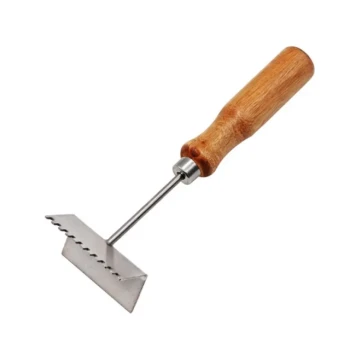
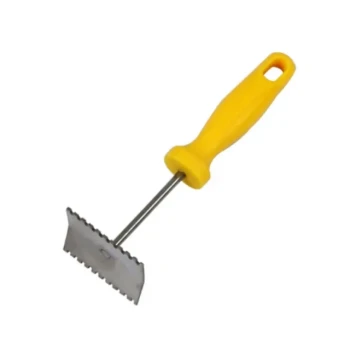
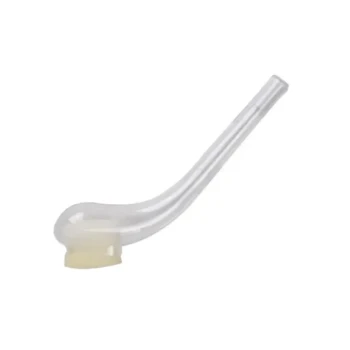
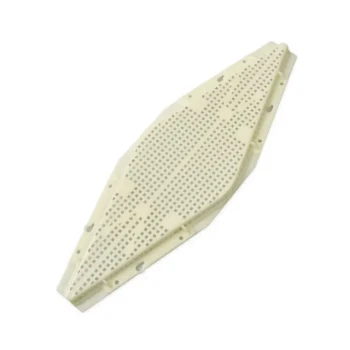
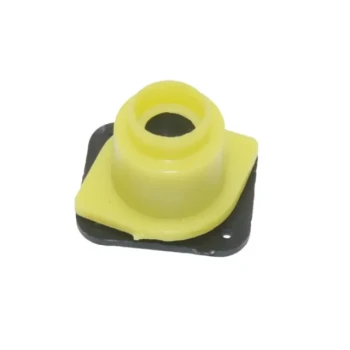
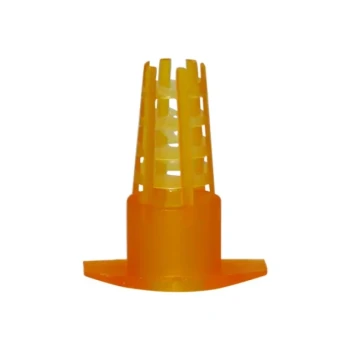
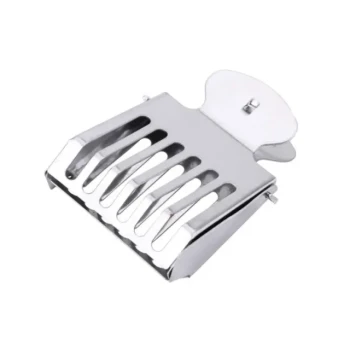
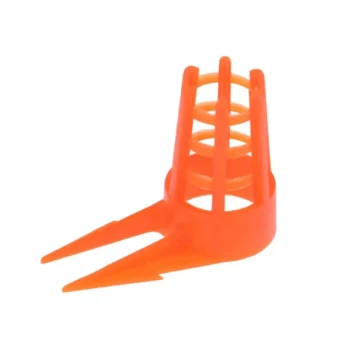
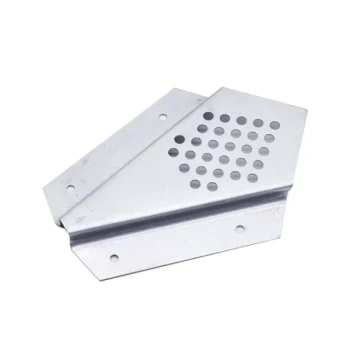
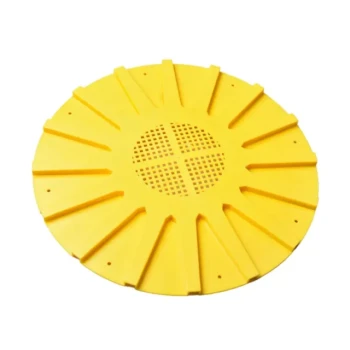
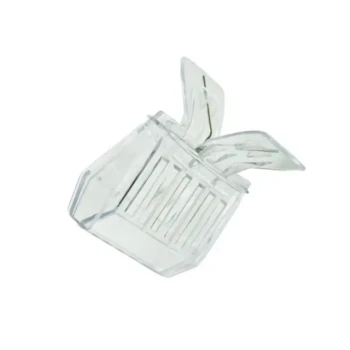
Queen excluders control where the queen can move, while entrance reducers control how much access the colony has to its hive. A queen excluder allows worker bees to pass into honey supers but restricts the larger queen, keeping brood out of honey-storage areas. An entrance reducer narrows the hive entrance to help colonies regulate access, defend against robbing insects, and manage vulnerable periods such as wintering or establishment.
The two tools solve different management problems: queen excluders organize the hive vertically by separating brood from honey, while entrance reducers manage the colony’s external access and security.
How Queen Excluders Manage Hive Space
Separating Brood From Honey Supers
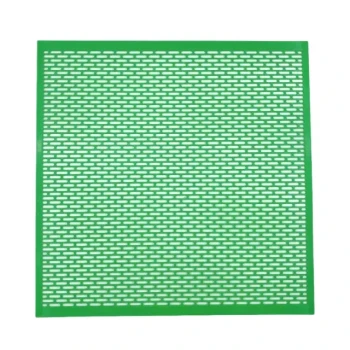
A queen excluder is installed between the brood chamber and the honey super. Its precisely spaced openings permit worker bees to move through while preventing the queen from entering the upper storage area.
This limits the queen’s egg-laying range and keeps the honey supers largely free of larvae and pupae.
Supporting Cleaner Honey Harvesting
When brood is kept out of honey supers, beekeepers can remove honeycomb with less risk of extracting brood alongside stored honey. This supports cleaner processing and improves the presentation and commercial quality of the harvested product.
The excluder does not separate honey and pollen perfectly, but it directly helps maintain a dedicated honey-storage area by restricting the queen’s movement.
Improving Colony Organization
Queen excluders establish a clear division between the colony’s brood-rearing space and its upper honey-storage space. Workers can still transport and store honey in the supers, so the barrier controls the queen without preventing normal worker activity.
This makes the device particularly useful when consistent super management and brood-free honeycomb are priorities.
How Entrance Reducers Manage Hive Access
Restricting the Hive Opening
An entrance reducer decreases the size of the opening through which bees enter and leave the hive. Many designs allow more than one opening size, enabling the beekeeper to adjust access as colony conditions change.
The device effectively gives the colony a smaller entrance to monitor and defend.
Helping Colonies Defend Against Intruders
A reduced entrance can make it easier for a small, newly established, or temporarily weakened colony to protect itself from robbing insects and competing bees. It reduces the area that guard bees must defend at one time.
This is a practical security measure during colony establishment, periods of reduced population, or heightened pest and robbing pressure.
Supporting Seasonal Hive Management
Beekeepers may use a smaller opening during wintering or other periods when limiting exposure and improving colony security are important. Entrance size can then be increased as the colony becomes stronger or environmental conditions change.
The reducer should be managed with attention to ventilation, bee traffic, and local weather conditions.
How the Two Tools Work Together
Managing Internal and External Control
A queen excluder manages internal movement between brood and honey-storage areas. An entrance reducer manages external movement at the hive entrance.
Together, they provide two complementary forms of hive control: one organizes the colony’s vertical layout, and the other adjusts its access and defensive needs.
Matching Equipment to Colony Conditions
Neither device should be treated as a permanent, one-setting solution. The appropriate use of an excluder or reducer depends on colony strength, season, hive configuration, honey-production goals, and pest pressure.
For distributors and beekeeping suppliers, offering multiple excluder materials, compatible sizes, and adjustable reducer designs is important because equipment needs vary across operations.
Understanding the Trade-offs
Queen Excluders Can Restrict Traffic
Although worker bees can pass through, colonies may not always move through an excluder readily, particularly when conditions or hive configuration discourage movement into the supers. Poor fit, damaged components, or incorrect placement can also interfere with normal hive management.
The excluder should therefore be compatible with the hive format and installed securely without creating unintended gaps or obstructions.
Entrance Reducers Can Limit Ventilation and Traffic
A reducer that is too small for the colony or conditions may create congestion at the entrance and restrict ventilation. During warm weather or periods of heavy foraging, the opening may need to be adjusted or removed according to colony requirements.
The key risk is treating entrance reduction as a fixed setting instead of an adjustable management tool.
Equipment Quality Affects Reliability
Queen excluders require consistent spacing and a durable frame or grid so they remain effective over repeated use. Entrance reducers should fit securely, provide practical opening options, and resist movement or damage during handling.
For B2B buyers, product consistency, hive compatibility, response speed, and dependable fulfillment matter as much as the basic function of each device.
Making the Right Choice for Your Goal
Select the equipment according to the management outcome you need to achieve.
- If your primary focus is brood-free honey supers: Use a properly fitted queen excluder between the brood chamber and honey super to restrict the queen’s access while allowing workers to store honey above.
- If your primary focus is colony defense: Use an entrance reducer to narrow the hive opening when a colony is weak, newly established, wintering, or facing robbing pressure.
- If your primary focus is flexible seasonal management: Choose adjustable entrance reducers and hive-compatible excluders that can be adapted to changing colony conditions.
- If your primary focus is reliable procurement: Source a coordinated range of compatible hive-control equipment from a supplier able to provide consistent quality, professional support, rapid response, and efficient order fulfillment.
Used appropriately, queen excluders and entrance reducers give beekeepers precise control over honey storage, colony access, defense, and seasonal hive management.
Summary Table:
| Tool | Primary Function | Key Benefit |
|---|---|---|
| Queen Excluder | Restrict queen movement to separate brood from honey supers | Cleaner honey harvest and organized hive space |
| Entrance Reducer | Narrow hive entrance to control access | Improved colony defense and seasonal management |
Enhance your hive management with high-quality queen excluders and entrance reducers from HONESTBEE. Our comprehensive wholesale range ensures you get durable, hive-compatible tools that meet professional standards. As a one-stop supplier for commercial apiaries and distributors, we offer rapid responses, dedicated service, and ultra-fast fulfillment to keep your operations running smoothly. Contact us today to discuss your bulk needs and benefit from our expert support and competitive pricing. Get in touch now
Related Products
- High Performance Plastic Queen Excluder for Beekeeping and Apiary Management
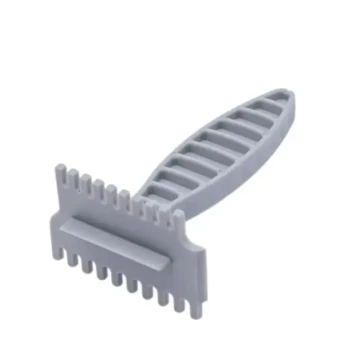
- Lightweight Durable Plastic Queen Excluder Scraper for Beekeeping
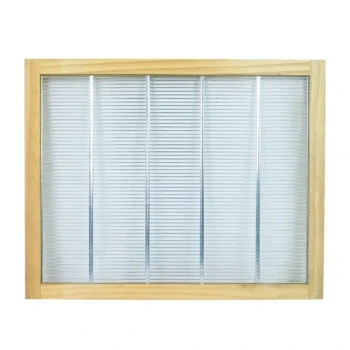
- Premium Wood Framed Metal Wire Queen Bee Excluder
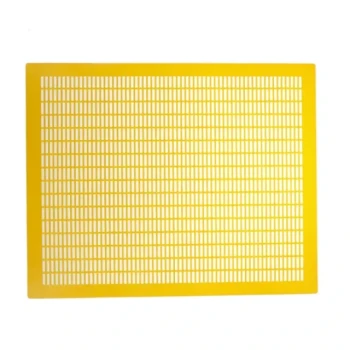
- Professional Plastic Queen Excluder for Modern Beekeeping
- Metal Queen Bee Excluder for Beekeeping
People Also Ask
- What are the characteristics of a plastic queen excluder? Key Benefits for Cost-Effective Beekeeping
- What are the operational and cost advantages of using plastic queen excluders over metal or wire excluders in commercial hive management? Discover how they reduce labor, prevent wing damage, and lower total costs.
- What types of queen excluders are available for beekeepers? Choose the Right Tool for Your Hive
- Why are standardized hive frames and queen excluders essential for maintaining honey purity and quality? Scale Your Purity
- Do plastic queen excluders work? A Cost-Effective Solution for Modern Apiaries