Commercial apiaries should implement purpose-built hive hardware, inspection tools, pest controls, and disciplined management routines to prevent infestation and reduce colony absconding. Essential measures include ventilated and pest-resistant covers, restricted entrances, clean bottom boards, elevated hive stands, perimeter defenses, disease-monitoring supplies, swarm-control equipment, and standardized beekeeper PPE. These tools work together by reducing pest access, environmental stress, disease transmission, and unnecessary colony disturbance.
The central principle is integrated hive protection: secure the physical hive, monitor colonies consistently, maintain sanitation, and manage colony strength before pests, disease, or overcrowding trigger productivity losses or absconding.
Build a Physical Barrier Against Hive Pests
Use Purpose-Built Hive Covers
Commercial hives should use durable, pest-resistant covers designed to shed rain, limit drafts, and protect the colony from temperature and moisture stress.
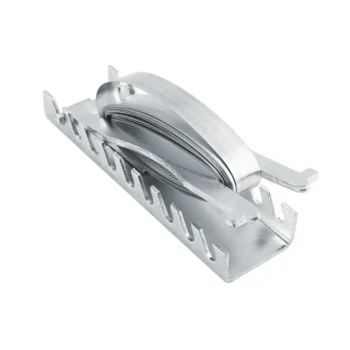
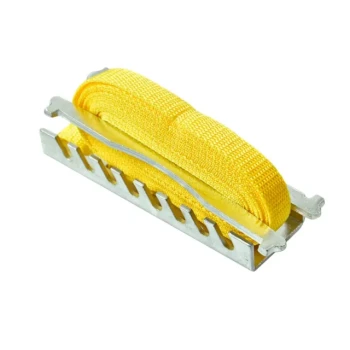
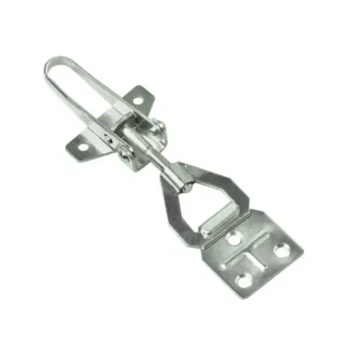
Improvised plastic or metal sheet wraps often provide inconsistent ventilation and may leave gaps where pests can enter. Secure covers with heavy-duty hive straps or lid weights, particularly in areas where raccoons, wind, or other disturbances are common.
Install Restricted Entrance Components
Entrance reducers and entrance gates limit access by larger predators and insects while preserving passage for worker bees.
An entrance slot of approximately 8 mm may help exclude larger predatory insects, including some moths, but entrance dimensions should match the hive design, colony strength, season, and local pest conditions. Reducers should not restrict ventilation or create congestion during periods of heavy foraging.
Maintain Clean Bottom Boards
Bottom boards should be inspected and cleaned regularly because accumulated wax, dead bees, and other debris can support detritus-feeding pests such as scarab beetles and darkling beetles.
Replace damaged or heavily contaminated components. In commercial operations, standardized bottom boards make inspection, cleaning, and replacement easier across many colonies.
Elevate Hives on Robust Stands
Raised hive stands reduce ground-level moisture and make it more difficult for some pests to reach the entrance.
Stands should be stable, weather-resistant, and positioned to prevent tipping. Where skunks or similar animals disturb entrances, raised stands and suitable entrance barriers can reduce physical interference with the colony.
Protect the Apiary From Predators
Secure Hives Against Night Raids
Bears, raccoons, and skunks can damage hive hardware, consume brood or honey, and cause severe colony disruption.
Use electric fencing systems where large predators are a known risk. Heavy-duty straps or lid weights provide an additional layer of protection against animals that pry at covers or shift hive components.
Control Access Around the Apiary
Apiary layout should leave adequate space for inspections, equipment movement, and pest monitoring.
Keep vegetation and debris controlled around hive stands. Regularly clean the grounds, with a routine such as one or two maintenance visits per month, while increasing attention during periods of heavy pest pressure or wet weather.
Choose Secure Hive Locations
Place hives on firm, well-drained ground and avoid locations that encourage standing water, excessive shade, or persistent wind exposure.
A stable environment reduces stress on colonies and protects equipment from premature deterioration. Site selection is a management control, not merely a convenience for the beekeeper.
Use Management Tools to Prevent Absconding
Monitor Colony Strength Without Excessive Disturbance
Commercial apiaries should inspect colonized hives regularly, often once or twice per week during active management periods, while adapting the schedule to weather, season, colony condition, and local production requirements.
Daily inspections should generally be avoided because repeated disturbance can stress colonies. Each visit should have a defined purpose, such as checking food stores, brood condition, honey deposition, pest pressure, or signs of swarming.
Control Swarming and Overcrowding
Structured swarm-control tools and additional hive supers help prevent overcrowding, which can contribute to swarming and loss of colony workforce.
Beekeepers should expand colonies at the appropriate time, replace aging brood frames systematically, and monitor queen performance. Swarm management should be based on colony development rather than a fixed calendar alone.
Maintain Strong, Well-Fed Colonies
Weak colonies are more vulnerable to pests, disease, robbing, and environmental stress.
Maintain appropriate feeding regimes when natural forage is inadequate, avoid excessive hive density, and ensure that colonies have sufficient space and suitable comb. Healthy, well-managed colonies are better positioned to defend the hive and remain established.
Use Hive Baits During Setup
Quality beeswax hive baits can help attract swarms or encourage colonization during hive establishment.
Baits should support, rather than replace, proper hive placement, colony sourcing, and inspection. Reported colonization rates of 80–100% depend on local conditions, bait quality, timing, and management practices, so they should not be treated as a guaranteed outcome.
Monitor and Control Disease
Equip Colonies for Routine Health Checks
Disease detection kits and standardized inspection equipment allow technicians to identify abnormal brood patterns, mite pressure, weakened colonies, and other warning signs earlier.
Monitoring should be consistent across the apiary so that results can be compared between colonies and over time. Early detection supports targeted intervention and reduces the risk of spreading pathogens to neighboring hives.
Manage Varroa and Brood Disease Risks
Varroa mite pressure and brood diseases can weaken colonies, reduce productivity, and contribute to colony failure if left unmanaged.
Commercial operations should use appropriate monitoring supplies and targeted treatments that fit local regulations, label instructions, season, and resistance-management requirements. Treatment decisions should be based on evidence from inspections rather than routine application without monitoring.
Apply Strict Sanitation Procedures
Hive tools, gloves, frames, and other reusable equipment can transfer pathogens between colonies if they are not cleaned or managed correctly.
Use hygiene tools and procedures appropriate to the material and disease risk. Separate visibly contaminated equipment, replace compromised brood frames systematically, and avoid moving infected material between colonies.
Equip Technicians for Safe, Efficient Inspections
Provide Bee-Proof Protective Clothing
Every field technician should have access to a properly fitted, ventilated bee suit or jacket with an integrated veil.
Protective gloves should provide sting protection while preserving enough dexterity for frame handling. Comfortable, durable PPE reduces worker exposure and helps teams complete inspections consistently.
Standardize Smokers and Fuel
Bee smokers can help calm colonies during inspections when used correctly with suitable fuel.
Each apiary team should have reliable smokers, safe ignition and fuel-storage procedures, and replacement components. Excessive smoke can disrupt colony behavior, contaminate equipment, and make inspections more difficult, so it should be applied selectively.
Supply Durable Hive Tools
Heavy-duty hive tools are required to separate propolis-sealed hive bodies, lift frames, scrape surfaces, and remove debris.
Frame grips and bee brushes assist with controlled comb handling and bee removal. Providing standardized, robust tools reduces breakage, injury risk, and labor downtime across commercial teams.
Understanding the Trade-offs
More Hardware Does Not Replace Colony Management
Entrance reducers, covers, stands, and fencing reduce exposure, but they cannot compensate for weak colonies, poor queen performance, inadequate food, or untreated disease.
Physical protection is most effective when paired with inspections, sanitation, timely expansion, and appropriate pest-control decisions.
Restricted Entrances Require Seasonal Adjustment
A small entrance can block larger pests, but it may also restrict traffic and ventilation if used after the colony has grown or during high-flow periods.
Inspectors should adjust reducers and gates according to colony strength, weather, nectar flow, and pest pressure. A component that protects a small colony may create congestion in a strong one.
Inspection Frequency Must Be Balanced
Infrequent inspections allow pest and disease problems to develop unnoticed. Excessive inspections disturb colonies, consume labor, and can increase stress.
A practical schedule should prioritize risk periods and active management tasks, with more frequent attention for weak, newly established, diseased, or heavily infested colonies.
Product Quality Affects Operating Cost
Low-quality covers, stands, straps, PPE, and hand tools may appear economical but can fail under weather, animal pressure, or repeated commercial use.
For distributors and apiary operators, total value includes service life, replacement availability, standardized sizing, rapid fulfillment, and technical support. Reliable supply is part of effective pest and colony-loss prevention.
How to Apply This to Your Apiary
Select equipment as a coordinated system, with specifications matched to local pests, climate, hive format, and colony-management practices.
- If your primary focus is pest exclusion: Prioritize restricted entrance reducers, cleanable bottom boards, ventilated pest-resistant covers, raised stands, secure hive straps, and perimeter electric fencing where predators are present.
- If your primary focus is preventing absconding: Invest in inspection tools, swarm-control equipment, expansion supers, feeding supplies, stable hive stands, and management routines that maintain strong colonies without excessive disturbance.
- If your primary focus is disease prevention: Standardize disease detection kits, sanitation tools, replacement brood frames, protective gloves, and colony-by-colony monitoring records.
- If your primary focus is commercial operating efficiency: Source standardized PPE, smokers, hive tools, frame grips, brushes, covers, reducers, stands, and consumables through a dependable supplier with rapid response and consistent fulfillment.
A well-protected commercial apiary combines durable hive hardware, disciplined monitoring, sanitation, and responsive colony management to keep colonies established, healthy, and productive.
Summary Table:
| Category | Key Equipment/Tools | Purpose |
|---|---|---|
| Physical Barrier | Pest-resistant covers, entrance reducers, clean bottom boards | Limit pest access and environmental stress |
| Predator Defense | Electric fencing, hive straps, secure stands | Deter bears, raccoons, skunks |
| Colony Management | Swarm-control equipment, supers, hive baits | Prevent overcrowding and encourage settlement |
| Disease Monitoring | Detection kits, sanitation tools | Early identify and control diseases |
| Technician Equipment | Bee suits, smokers, hive tools | Safe and efficient inspections |
Secure your apiary with HONESTBEE's comprehensive range of hive protection equipment and management tools. From pest-resistant covers and entrance reducers to disease detection kits and durable PPE, we supply everything you need to keep your colonies healthy and productive. As a one-stop source for commercial beekeepers and distributors, we offer rapid response, expert support, and fast delivery. Contact us today to build a tailored solution for your operation and minimize losses from pests and absconding. Get in touch now.
Related Products
- Metal Hive Feet Bee Hive Stand for Ant Protection
- High Security Emlock Strap System
- Professional Galvanized Hive Strap with Secure Locking Buckle for Beekeeping
- Beehive Entrance Reducer Guardian Metal Hive Entrance for Bees
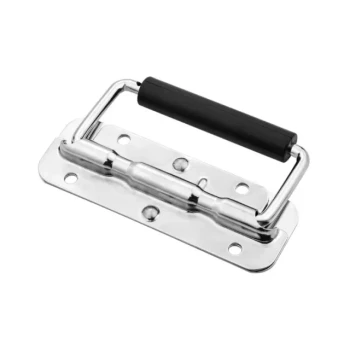
- Premium Comfort Grip Spring-Loaded Hive Handles
People Also Ask
- What are the benefits of elevating a bee hive with a stand or base? Protect Your Colony and Your Back
- How does a beehive stand protect against predators and pests? Essential Strategies for Colony Security
- How should the height of a beehive stand be determined? Find Your Ergonomic Sweet Spot
- What to stand a beehive on? The Best Foundation for a Healthy, Manageable Apiary
- How tall should a beehive stand be? Achieve Optimal Hive Health & Beekeeper Comfort