Commercial apiaries need layered protection, not a single hive cover. Durable metal or high-grade plastic covers reduce rain and moisture exposure, while sanitary hive equipment, inspection tools, pest controls, and secure hive hardware address disease, parasites, predators, and weather-related stress. The most reliable approach combines physical protection with routine monitoring, hygiene, and emergency preparedness.
Core takeaway: Hive covers protect the structure from weather, but they do not replace disease management. Commercial apiaries should source an integrated system of covers, stands, fasteners, entrance controls, inspection equipment, sanitation supplies, and protective clothing.
Build a Weather-Resistant Hive System
Use durable hive covers
Metal or high-grade plastic covers shield colonies from rain and reduce moisture accumulation around the hive. They should be durable, properly fitted, and compatible with the hive design.
Improvised sheet-metal or plastic wraps can create gaps, trap condensation, or interfere with ventilation. Purpose-built covers provide more predictable protection and reduce environmental stress that can increase colony vulnerability.
Elevate hives above flood and ground hazards
Heavy-duty hive stands with broad feet help prevent supports from sinking into mud, shifting in strong winds, or contacting standing water. Elevation also improves access for inspections and reduces exposure to damp ground conditions.
Flood-prone apiaries should plan for temporary relocation and post-flood inspection. Where hives lack upper entrances, cover props or spacers can provide an emergency exit route if bottom entrances become submerged.
Balance protection with ventilation
Weather protection must not seal the hive completely. Ventilated components and correctly fitted covers help limit condensation while preserving the airflow colonies need.
Excess moisture can be as damaging as direct rain exposure. Equipment selections should therefore account for cover fit, ventilation, drainage, and the local climate rather than focusing only on material thickness.
Reduce Disease and Parasite Transmission
Maintain standardized inspection equipment
Regular colony health checks require standardized hive tools, protective gloves, smokers, frame-handling equipment, and other inspection supplies. Consistent equipment makes inspections more efficient and helps technicians identify changes in brood, adult bees, food stores, and colony strength.
Monitoring is essential for detecting threats such as Varroa mites and brood diseases before they spread through a commercial operation. Inspection equipment supports control decisions; it does not replace an appropriate treatment program or veterinary and regulatory guidance.
Use dedicated and sanitary tools
Separate hive tools and protective gloves for each apiary can reduce cross-contamination between locations. Tools should be cleaned and disinfected according to an established sanitation procedure.
Old hive parts and used frames should be disinfected before reuse. The references identify 80% acetic acid or PDB as examples, but chemical use must follow product labels, local regulations, ventilation requirements, and workplace safety procedures.
Control comb and equipment sources
Second-hand combs of unknown origin create avoidable disease and pest risks. Commercial operators should maintain traceability for frames, boxes, and other reusable hive components.
Systematically replacing old brood frames also helps maintain equipment hygiene and supports more consistent colony management. Replacement schedules should be documented across the apiary.
Manage parasites and pests with targeted supplies
Targeted pest-control consumables, dedicated traps, and entrance reducers help address mites, mice, ants, and wasps. These tools should be selected for the specific pest and used without compromising bee access, ventilation, or colony safety.
Disease prevention is strongest when pest control is combined with inspections, sanitation, appropriate hive density, and sound feeding practices. No individual accessory can compensate for an unmanaged apiary-wide infestation.
Secure Hives Against Predators
Protect apiary boundaries from large animals
Bears can damage hive bodies, covers, frames, and colonies. In forest-adjacent or wilderness locations, perimeter electric fencing is a primary security measure and should be maintained as an active system rather than treated as a one-time installation.
Reinforced hive construction hardware, secure fasteners, and robust covers provide a second layer of protection if animals reach the hives.
Secure covers against raccoons and wind
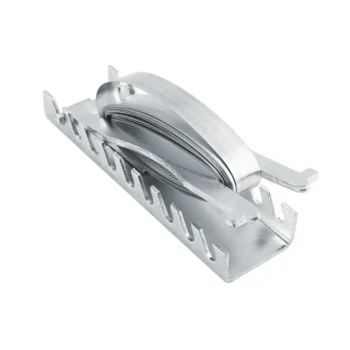
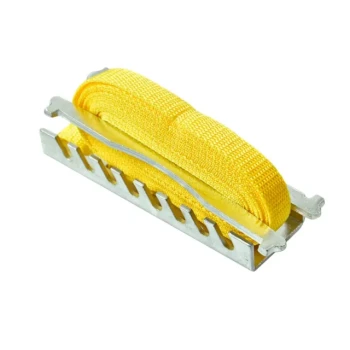
Heavy-duty hive straps, reliable fasteners, and lid weights help prevent raccoons from removing covers. They also reduce the risk of lids shifting during strong winds.
Hardware should hold covers securely without creating inspection delays or damaging the hive body. Standardized fasteners are especially useful for commercial operations managing many colonies.
Deter skunks and entrance-level disturbance
Raised hive stands make it more difficult for skunks to disturb bees at the entrance. Entrance barriers and correctly sized entrance reducers can provide additional control where appropriate.
Entrance reducers also help manage some pest and predator pressures, but they must not restrict ventilation or colony traffic during periods of high bee activity.
Protect Colonies During Inspections and Feeding
Use fully secured protective clothing
Commercial technicians should use properly fitted bee suits, veils, gloves, and closed footwear during inspections. Protective clothing is particularly important after flooding or other emergencies, when stressed colonies may become unusually defensive and actively seek openings in protective wear.
Protective gear should be inspected regularly for tears, damaged closures, and loose seams. Fast, reliable replacement of damaged clothing is an operational safety requirement.
Prevent robbing during feeding
Internal hive feeders allow syrup to be delivered inside the hive and reduce exposure to neighboring colonies, wasps, and other opportunistic pests. Open feeding can encourage robbing, drifting, and disease transfer.
Operators should avoid spilling syrup, particularly during late-season manipulations. Feeding equipment should be easy to clean and compatible with the hive system used across the apiary.
Support colony strength and airflow
Appropriate feeding regimes, hive density, swarm-control equipment, and expansion supers help maintain vigorous colonies. Strong, adequately managed colonies are better positioned to withstand environmental stress and disease pressure.
These management tools work as part of a system: expansion equipment controls crowding, inspection tools reveal problems, and sanitary practices limit transfer between colonies.
Choose Equipment for Commercial Operations
Standardize across the apiary
Standardized frames, hive bodies, covers, supers, stands, entrance reducers, and fasteners simplify inspections, maintenance, inventory control, and staff training.
For distributors and B2B buyers, compatibility information is critical. A broad product portfolio is useful only when dimensions, materials, replacement parts, and operating procedures are clearly documented.
Prioritize durability and serviceability
Commercial equipment must withstand repeated handling, seasonal exposure, cleaning, and transport. Durable hardware may have a higher initial cost but can reduce replacement frequency and operational interruptions.
Products should also be easy to inspect, repair, disinfect, and replace. Rapid access to compatible components matters when weather events or predator damage affect multiple colonies at once.
Build a complete sourcing package
A practical commercial supply program may include:
- Metal or high-grade plastic hive covers
- Elevated, broad-footed hive stands
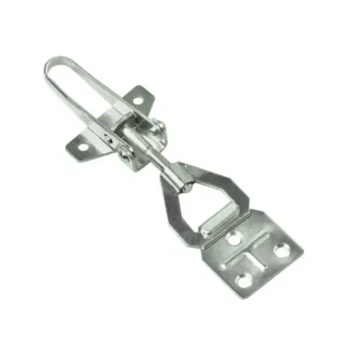
- Hive straps, lid weights, and secure fasteners
- Entrance reducers and barriers
- Ventilated hive components
- Electric fencing systems
- Pest traps and targeted control consumables
- Hive tools, smokers, gloves, and protective suits
- Internal hive feeders
- Standardized frames, supers, and replacement hive parts
- Cleaning and disinfection supplies
A one-stop sourcing model can reduce procurement complexity when the supplier provides responsive service, clear product compatibility guidance, efficient order fulfillment, and dependable delivery of replacement items.
Understanding the Trade-offs
Weather protection versus ventilation
A tightly sealed hive may block rain but trap condensation. A well-designed system protects the hive while preserving airflow and drainage.
The correct balance depends on climate, hive design, seasonal conditions, and colony strength. Covers should be evaluated as part of the complete hive assembly.
Security versus inspection speed
Straps, weights, fencing, and fasteners improve physical security but can slow inspections if they are cumbersome or inconsistent.
Choose systems that are secure and quick to release, then standardize their use so technicians can work safely and efficiently.
Chemical sanitation versus operational safety
Disinfectants can help reduce contamination, but improper concentration, storage, ventilation, or residue control can create hazards. Chemical procedures must be documented and managed according to applicable labels and regulations.
When equipment cannot be reliably disinfected or its origin is unknown, replacement may be safer than reuse.
Protection versus colony access
Entrance reducers and barriers can deter pests, but incorrectly sized restrictions may impede bees or reduce airflow. Equipment must be adjusted as colony population, season, and local pest pressure change.
How to Apply This to Your Apiary
Select the equipment package according to the dominant risks in each operating location.
- If your primary focus is disease prevention: Prioritize standardized inspection tools, dedicated apiary gloves and hive tools, traceable frames, disinfection supplies, internal feeders, and targeted mite and pest-control products.
- If your primary focus is weather and flooding: Combine durable ventilated covers with elevated broad-footed stands, drainage-aware placement, emergency upper-exit options, and fully secured protective clothing.
- If your primary focus is predator control: Use electric perimeter fencing, reinforced hive hardware, secure fasteners, lid weights or straps, raised stands, entrance reducers, and pest barriers.
- If your primary focus is procurement efficiency: Source compatible covers, stands, hardware, inspection equipment, protective gear, and consumables through a supplier capable of rapid response, dependable fulfillment, and ongoing replacement support.
A resilient commercial apiary comes from matching durable equipment with disciplined hygiene, monitoring, and location-specific risk management.
Summary Table:
| Equipment/Measure | Purpose | Key Considerations |
|---|---|---|
| Durable hive covers | Protect from rain, reduce moisture | Use metal or high-grade plastic; ensure proper fit and ventilation |
| Elevated hive stands | Prevent flooding and ground moisture | Broad feet for stability; allow drainage |
| Ventilated components | Balance moisture and airflow | Avoid sealing hives completely |
| Standardized inspection tools | Monitor colony health and detect disease | Include hive tools, gloves, smokers |
| Sanitary tools and cleaning supplies | Reduce cross-contamination | Disinfect regularly; use approved chemicals |
| Pest control consumables | Manage mites, mice, ants, wasps | Targeted use; ensure bee safety |
| Electric fencing | Deter bears and large animals | Maintain as active system |
| Hive straps and fasteners | Secure covers against wind and raccoons | Quick release for inspections |
| Entrance reducers and barriers | Control pests and skunks | Adjust for season and colony strength |
| Protective clothing | Safeguard technicians during inspections | Use properly fitted suits, veils, gloves |
| Internal feeders | Reduce robbing and disease spread | Clean and compatible with hive system |
Protect your apiary with a complete line of hive covers, stands, and sanitation tools. Partner with HONESTBEE for one-stop sourcing that offers rapid response, certified equipment, and efficient fulfillment. Our deep expertise, full-spectrum portfolio, and dedicated service reduce risk and keep your colonies thriving. Contact us today to discuss your custom sourcing strategy and capitalize on reliable supply chains that minimize downtime and maximize profitability.
Related Products
- Metal Hive Feet Bee Hive Stand for Ant Protection
- High Security Emlock Strap System
- Professional Galvanized Hive Strap with Secure Locking Buckle for Beekeeping
- Beehive Entrance Reducer Guardian Metal Hive Entrance for Bees
- Premium Comfort Grip Spring-Loaded Hive Handles
People Also Ask
- What are the benefits of elevating a bee hive with a stand or base? Protect Your Colony and Your Back
- How does a beehive stand protect against predators and pests? Essential Strategies for Colony Security
- How should the height of a beehive stand be determined? Find Your Ergonomic Sweet Spot
- What to stand a beehive on? The Best Foundation for a Healthy, Manageable Apiary
- What is the best base for a beehive? Choose the Right Stand for Colony Health