To sell local honey professionally and legally, your labels must combine mandatory regulatory data with specific product details. At a minimum, you should include the product name, the net weight, a list of ingredients (even if single-ingredient), the producer's contact information, and a nutrition facts panel.
Effective honey labeling bridges the gap between regulatory compliance and consumer connection. Beyond the mandatory legal requirements like net weight and identity, including specific data—such as harvest dates and botanical sources—transforms a generic jar into a trusted, transparent product.
Essential Identification Information
Product Name and Classification
You must clearly identify the contents of the container. This includes the word "Honey" prominently displayed.
If the honey comes from a specific floral source, such as "Clover" or "Wildflower," this botanical origin should be included to help consumers distinguish between varieties.
Producer and Contact Details
Transparency is critical for consumer trust and safety. The label must list the beekeeper or producer's name and their contact information.
This generally includes a physical address or a way to contact the seller, ensuring accountability if there are issues with the product.
The Ingredients List
Even though pure honey is a single-ingredient product, you are required to include an ingredients list.
Simply listing "Honey" ensures full transparency and complies with labeling standards that demand consumers know exactly what is inside the jar.
Regulatory and Technical Requirements
Net Mass (Weight)
Commercial regulations require you to state the net mass of the product. This indicates the weight of the honey itself, excluding the weight of the jar and lid.
This usually appears in the bottom 30% of the label panel and allows customers to compare value across different brands.
Nutrition Facts Panel
In the United States, a Nutrition Facts Panel is mandatory for food products.
This table must detail nutrient content, including calories and carbohydrates, providing consumers with the health data necessary to make informed dietary choices.
Traceability and Safety Data
To comply with food safety regulations, include a batch number. This allows the product to be traced back to specific harvest dates or hives in the event of a recall.
Additionally, listing the shelf life or a "best by" date helps manage consumer expectations regarding quality and crystallization.
Building Trust Through Transparency
Harvest Date
While not always strictly required by law, the harvest date is a vital piece of information for local buyers.
Primary sources indicate that this detail provides a professional touch and proves the freshness and seasonality of the product.
Production Methods
Consumers often look for terms that describe how the honey was processed.
Listing whether the honey is "raw," "unfiltered," or describing other production methods helps justify premium pricing and appeals to health-conscious buyers.
Common Pitfalls to Avoid
Overcrowding the Design
A common mistake is cramming too much text onto a small jar, making the label unreadable.
Prioritize legibility for the mandatory legal information (Product Name, Net Weight, Contact Info) before adding decorative elements or extensive backstories.
Ignoring Local Variances
Relying solely on general advice can lead to non-compliance.
Labeling regulations can vary significantly by region. Always verify if your specific volume of sales requires a full nutrition panel or if you qualify for small-producer exemptions.
Finalizing Your Label Strategy
To ensure your product is both legal and marketable, prioritize the information based on your primary business goal.
- If your primary focus is Regulatory Compliance: Ensure the Product Identity, Net Weight, Ingredients, and Nutrition Facts are the most prominent and legible elements.
- If your primary focus is Brand Loyalty: Highlight the Harvest Date, Botanical Origin, and unique Production Methods to tell the story of your local apiary.
A well-designed label does not just meet legal standards; it acts as a promise of quality to your customer.
Summary Table:
| Information Category | Required/Recommended Details | Purpose |
|---|---|---|
| Product Identity | "Honey" + Botanical Source (e.g., Clover) | Clearly identifies the product type |
| Net Weight | Total weight excluding container (Bottom 30% of label) | Consumer value comparison and legal compliance |
| Contact Info | Producer name and physical address | Accountability and consumer trust |
| Ingredients | Must list "Honey" (even if single-ingredient) | Full transparency for the consumer |
| Nutrition Facts | Calorie and carbohydrate breakdown | Mandatory food safety and health data |
| Traceability | Batch number and "Best By" date | Essential for quality control and recalls |
| Process Labels | "Raw," "Unfiltered," or Harvest Date | Highlights premium quality and freshness |
Elevate Your Honey Brand with Professional Solutions
At HONESTBEE, we understand that premium local honey deserves professional presentation and efficient production. Whether you are a commercial apiary scaling up or a distributor seeking high-quality equipment, we provide the tools you need to succeed.
Our comprehensive wholesale offering includes:
- Honey-Filling Machines: Ensure precise net weight compliance with every jar.
- Specialized Hardware: From hive-making machinery to professional-grade beekeeping tools.
- Industry Consumables: A wide array of essentials to keep your operation running smoothly.
- Cultural Merchandise: Unique honey-themed items to diversify your brand's appeal.
Let us help you streamline your production and enhance your market presence. Contact HONESTBEE today to discover how our equipment and expertise can grow your beekeeping business!
Related Products
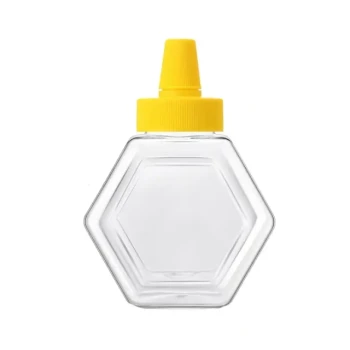
- Hexagonal Squeeze Honey Bottle with No Drip Lid
- Classic Beehive Honey Bottle Jar with Squeeze Dispenser Lid
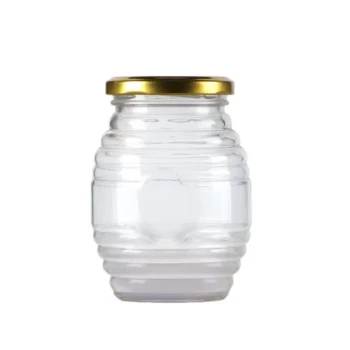
- Classic Glass Honey Jar with Metal Lug Cap for Beehive Storage
- Classic Honey Bear Jars with Flip Top Dispensing Cap for Liquid Sweeteners
- Premium Stainless Steel Honey Tank Bucket Pail with Reinforced Handle and Polished Finish
People Also Ask
- What are the benefits of squeeze bottles for honey packaging? Unlock Mess-Free Convenience & Control
- How do honey bottles contribute to the preservation of honey products? Secure Quality and Commercial Value
- What are the features of honey bottles? Design for Convenience & Long-Term Preservation
- How should honey bottles be prepared before pouring honey into them? The #1 Rule for Honey Longevity
- What are the features and benefits of using honey bottles for packaging? Optimize Preservation and Consumer Experience