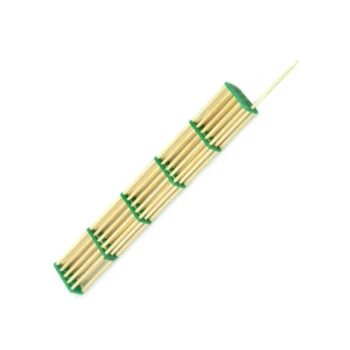
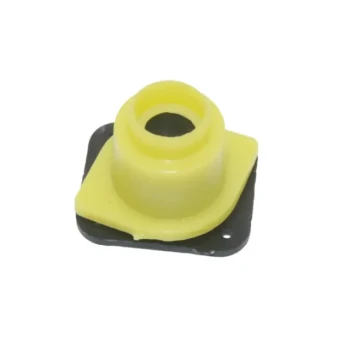
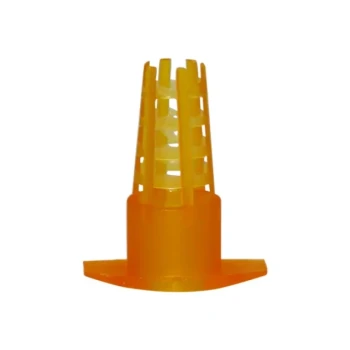
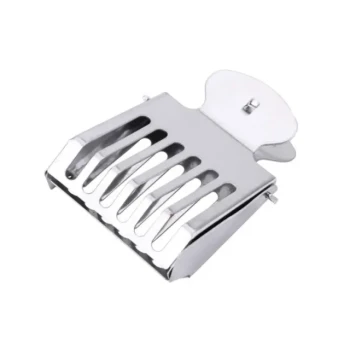
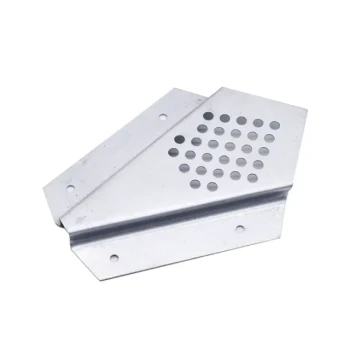
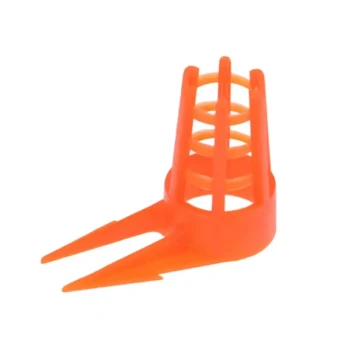
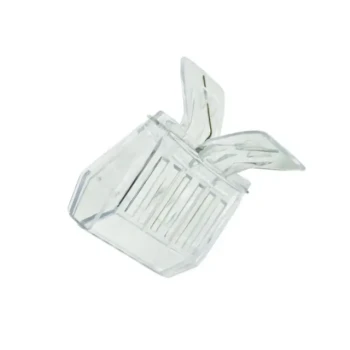
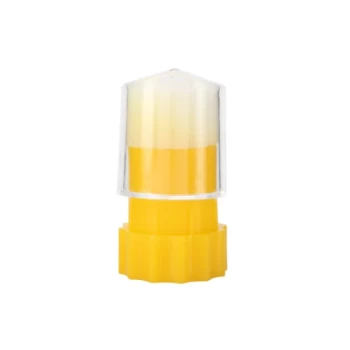
In the two-chamber beekeeping system, the queen excluder serves as a critical physical filter designed to strictly segregate the colony’s reproductive cycle from its honey production. By confining the queen bee to the lower brood chamber, this device ensures that the upper "honey super" remains a sterile environment dedicated solely to the storage and ripening of nectar.
The queen excluder functions as a selective barrier that maximizes honey purity by keeping the upper chambers free of eggs and larvae, allowing worker bees to dehydrate and ripen honey in an undisturbed environment.
The Mechanics of Separation
Establishing the Two-Chamber Hierarchy
The core function of the excluder is to enforce a vertical division of labor within the hive.
It creates a distinct boundary where the lower chamber is utilized for egg-laying and brood rearing, while the upper chamber is reserved exclusively for honey storage.
The Selective Grid System
The excluder relies on precise sizing to function effectively.
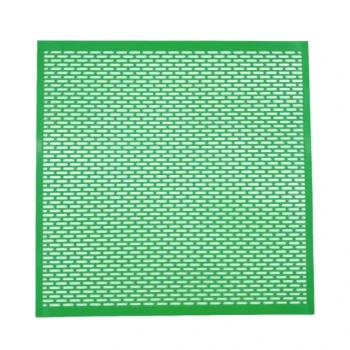
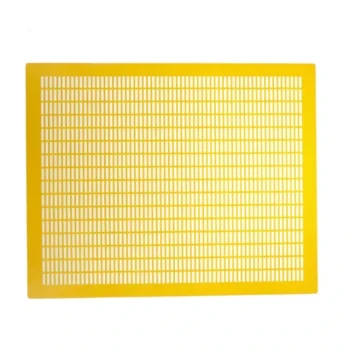
It is constructed as a specialized grid with apertures calibrated to allow smaller worker bees to pass through freely while physically blocking the larger queen bee.
How Separation Improves Honey Quality
Eliminating Bio-Contaminants
The primary benefit of this system is the prevention of brood contamination.
Without an excluder, a queen may lay eggs in the honey supers, leading to the presence of larvae and waste products in the harvestable frames. Using the excluder ensures the extracted honey is pure and free from organic debris associated with the brood cycle.
Optimizing the Ripening Process
Honey quality is heavily dependent on moisture content and proper dehydration.
By creating a dedicated storage zone, the excluder provides worker bees with an undisturbed environment to process nectar. This separation facilitates better dehydration and ripening, resulting in a stable, high-quality final product.
Critical Material Trade-offs
The Risk of Environmental Corrosion
Not all excluders are created equal; the environment inside a hive is harsh, characterized by high humidity and organic acids.
Low-quality metal excluders can succumb to this environment, leading to oxidation and rust. This metal fatigue introduces corrosion products into the honey, compromising its chemical purity.
Selecting for Chemical Stability
To maintain the highest standards of purity, specifically for scientific use or bio-indication, material selection is paramount.
Excluders treated with plasticization or high-standard chrome plating resist oxidation. These materials maintain their physical integrity over time, ensuring that the honey remains chemically accurate and free from metallic contamination.
Making the Right Choice for Your Goal
To maximize the effectiveness of your hive management, align your equipment choice with your production targets:
- If your primary focus is Commercial Honey Production: Prioritize the use of an excluder to guarantee the honey is free of brood, which increases harvesting efficiency and consumer appeal.
- If your primary focus is Environmental Monitoring: Select excluders with high-quality plating or plasticization to prevent rust from skewing chemical analysis of the honey.
By enforcing the separation of brood and food, you elevate beekeeping from simple collection to the production of a pure, high-grade resource.
Summary Table:
| Feature | Function in Two-Chamber System | Benefit to Honey Quality |
|---|---|---|
| Vertical Hierarchy | Segregates brood rearing from honey storage | Ensures a sterile, debris-free environment |
| Selective Grid | Allows workers through while blocking the queen | Prevents eggs and larvae in honey supers |
| Dehydration Zone | Creates an undisturbed ripening area | Optimized moisture content and stability |
| Material Coating | Plasticized or chrome-plated surfaces | Prevents oxidation and metallic contamination |
Elevate Your Honey Production with HONESTBEE
Maximize your yield and ensure the highest product purity with professional-grade equipment from HONESTBEE. As a premier partner for commercial apiaries and distributors, we provide a comprehensive wholesale range designed for performance and durability.
From precision-engineered queen excluders that prevent contamination to advanced honey-filling machines and specialized hive-making hardware, HONESTBEE supplies everything you need to scale your operations. We offer the full spectrum of beekeeping tools, machinery, and industry consumables tailored to meet the rigorous demands of large-scale honey production.
Ready to upgrade your apiary’s efficiency?
Contact our expert team today to discuss our wholesale offerings and discover how our specialized equipment can drive your business success.
References
- Hermann Pechhacker, Helmut Horn. Beekeeping Around the World. DOI: 10.1080/0005772x.2001.11099511
This article is also based on technical information from HonestBee Knowledge Base .
Related Products
- High Performance Plastic Queen Excluder for Beekeeping and Apiary Management
- Professional Plastic Queen Excluder for Modern Beekeeping
- Lightweight Durable Plastic Queen Excluder Scraper for Beekeeping
- Metal Queen Bee Excluder for Beekeeping
- Premium Wood Framed Metal Wire Queen Bee Excluder
People Also Ask
- What are the characteristics of a plastic queen excluder? Key Benefits for Cost-Effective Beekeeping
- What are the operational and cost advantages of using plastic queen excluders over metal or wire excluders in commercial hive management? Discover how they reduce labor, prevent wing damage, and lower total costs.
- What types of queen excluders are available for beekeepers? Choose the Right Tool for Your Hive
- Why are standardized hive frames and queen excluders essential for maintaining honey purity and quality? Scale Your Purity
- Do plastic queen excluders work? A Cost-Effective Solution for Modern Apiaries