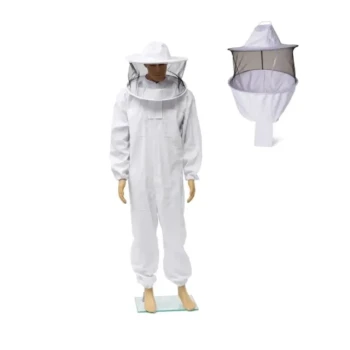
The primary alternative to traditional, heavy beekeeping gear is the use of thin nitrile gloves. While traditional leather gloves are designed for maximum isolation, nitrile gloves are chosen specifically for their high tactile sensitivity, which completely changes how a beekeeper interacts with the colony.
By sacrificing heavy padding for thin material, nitrile gloves allow for delicate handling that prevents the accidental crushing of bees—a primary cause of hive agitation.
The Mechanics of Gentle Beekeeping
Increasing Tactile Sensitivity
Traditional leather gloves create a significant sensory barrier between your hands and the frames. This lack of feedback often leads to clumsy movements.
Nitrile gloves restore your sense of touch. They allow you to feel the precise edges of the frames and, more importantly, the presence of bees under your fingertips before you apply pressure.
Reducing Hive Aggression
The primary benefit of this sensitivity is the reduction of accidental crushing. When a bee is crushed, it releases alarm pheromones that signal the rest of the colony to attack.
By using nitrile gloves, you can manipulate the hive more gently. Fewer crushed bees result in fewer alarm pheromones, keeping the colony calmer during inspections.
Understanding the Trade-offs
Protection vs. Precision
It is critical to understand that nitrile gloves offer virtually no protection against stings. A bee can easily sting through the thin material.
You are effectively trading "passive protection" (armor) for "active protection" (skill). You avoid stings by not aggravating the bees, rather than by blocking their stingers.
Durability Limitations
Unlike leather, which can last for years, nitrile gloves are generally disposable or semi-reusable.
They are susceptible to tearing on sharp wooden edges, hive tools, or propolis. Once the integrity of the glove is breached, you lose the hygiene barrier they provide.
Making the Right Choice for Your Goal
Before switching gear, assess your current confidence level and the temperament of your bees.
- If your primary focus is maximum safety: Stick to traditional leather gloves, especially if you are a beginner or working with an aggressive hive.
- If your primary focus is precise manipulation: Switch to nitrile gloves to improve your dexterity and reduce the likelihood of harming the bees during inspections.
The goal is to eventually reach a level of competence where your gentleness is your primary defense, rather than the thickness of your gear.
Summary Table:
| Feature | Traditional Leather Gloves | Nitrile Gloves (The Alternative) |
|---|---|---|
| Protection Level | High (Armor-like) | Low (Sting-through possible) |
| Dexterity | Low (Bulky) | High (Excellent tactile feedback) |
| Bee Safety | High risk of accidental crushing | Low risk; enables gentle handling |
| Durability | Long-lasting / Multi-year use | Disposable / Short-term use |
| Best For | Beginners & Aggressive hives | Experienced keepers & Precise work |
Elevate Your Apiary Operations with HONESTBEE
Transitioning to more precise beekeeping gear requires the right supply partner. HONESTBEE caters to commercial apiaries and distributors with a comprehensive wholesale offering. Whether you need high-sensitivity protective gear, advanced hive-making machinery, or honey-filling equipment, we provide the full spectrum of tools and industry consumables to scale your business.
Ready to upgrade your wholesale inventory or apiary efficiency? Contact us today to discuss your bulk requirements and discover how our expertise in beekeeping hardware and cultural merchandise can add value to your professional operations.
Related Products
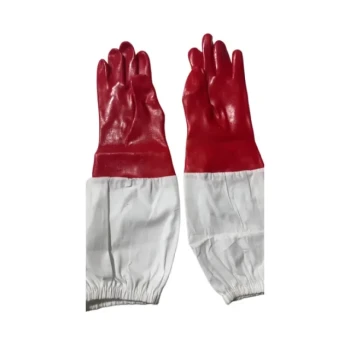
- Heavy Duty Red Rubber Beekeeping Gloves with Extended Pure Cotton Sleeves for Beekeepers
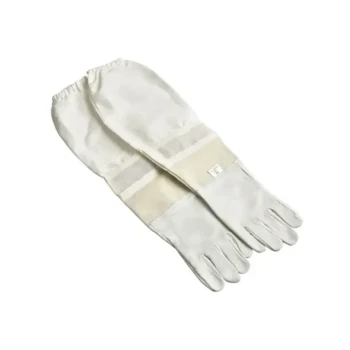
- Goatskin Leather Beekeeper Gloves with Vent Long Sleeve for Beekeeping Honey Bee Sting Proof Protection
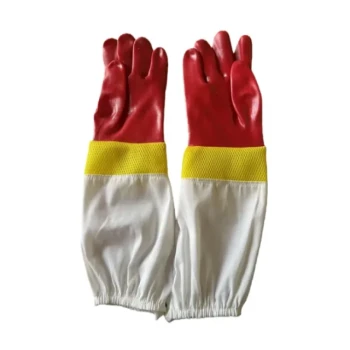
- Heavy Duty Red Rubber Beekeeping Gloves with Vented Mesh Cotton Sleeves
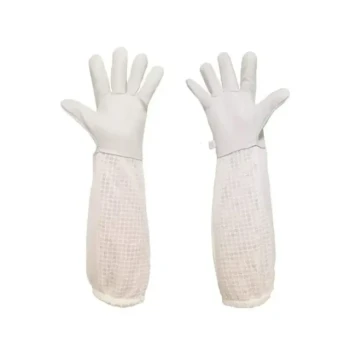
- Premium Ventilated Goatskin Beekeeping Gloves with Full 3-Layer Mesh Sleeve
- Beekeeping Gloves Goatskin Leather with Long Cotton Sleeve for Beekeepers
People Also Ask
- When might a beekeeper decide to work without gloves? Master Hive Finesse and Dexterity
- Why is cleaning beekeeping gloves necessary? Vital Steps for Apiary Biosecurity and Hive Management
- What factors should be considered when selecting beekeeping gloves? Balance Protection and Dexterity
- What are the benefits of properly cleaning and storing beekeeping gloves? Protect Your Bees, Safety & Investment
- Why is personal preference important when choosing beekeeping gloves? Find Your Perfect Fit for Protection & Dexterity