A queen cup is a specialized structure within a beehive that serves as the foundation for a potential future queen cell. It acts as a "placeholder," constructed by worker bees as a preparatory measure to ensure the colony can rapidly raise a new queen if the current one fails or if the hive prepares to swarm. Unlike a fully developed queen cell, a cup is initially incomplete and often empty.
The presence of a queen cup represents a state of readiness, not necessarily action. It functions as a biological "insurance policy," allowing the colony to transition immediately into queen rearing without the delay of constructing a base from scratch.
The Biological Function of a Queen Cup
The Concept of a Placeholder
The queen cup is not a housing unit for a developing bee in its initial state. It is strictly a structural foundation.
Bees construct these cups on the frames within the brood chamber. They provide the necessary footprint and geometric base required to build the larger, peanut-shaped queen cell if the colony decides to proceed.
Preparatory Engineering
The primary reference notes that bees build these cups as a preparatory measure.
A healthy colony often maintains several queen cups simultaneously. This ensures that if the current queen dies unexpectedly or begins to fail, the workers do not lose valuable time constructing the base for a successor.
Transition to a Queen Cell
A queen cup remains a "cup" only as long as it is empty or serves merely as a potential site.
Once the queen lays an egg in the cup, or workers move an existing egg into it, the status changes. The workers will then extend the walls of the cup, transforming the placeholder into a fully functioning queen cell.
Interpreting the Signals (Common Pitfalls)
The "False Alarm" Risk
A common mistake for beekeepers is assuming that the presence of queen cups indicates immediate swarming or queen replacement (supersedure).
Because these are preparatory placeholders, their presence alone is normal behavior in a healthy hive. It does not automatically signal that the bees are actively replacing their queen.
Visual Inspection is Critical
The physical difference between a benign cup and an active cell is subtle but vital.
You must look inside the cup. An empty cup is a passive maintenance structure. A cup containing an egg or royal jelly is "charged" and indicates that the colony has moved from preparation to active execution of queen rearing.
Making the Right Choice for Your Goal
When you encounter queen cups during a hive inspection, your reaction should depend on the contents of the cup and the overall state of the colony.
- If your primary focus is general maintenance: Note the location of the cups but take no drastic action if they are empty; this is simply evidence of a prepared colony.
- If your primary focus is swarm prevention: Inspect every cup carefully using a flashlight; if you find eggs or larvae floating in royal jelly inside a cup, the colony is actively preparing to swarm or supersede, and you must intervene immediately.
Recognizing the queen cup as a proactive tool rather than a sign of immediate crisis allows you to manage the colony with confidence and precision.
Summary Table:
| Feature | Queen Cup | Queen Cell (Charged) |
|---|---|---|
| Purpose | Preparatory placeholder/foundation | Active queen development unit |
| Appearance | Small, bowl-shaped structure | Large, peanut-like elongated structure |
| Contents | Empty | Contains an egg, larva, or royal jelly |
| Meaning | Normal colony readiness | Imminent swarming or supersedure |
| Action Required | Monitor during routine inspections | Immediate intervention if swarming is a risk |
Scaling Your Beekeeping Success with HONESTBEE
Understanding hive dynamics is key to a thriving apiary, but the right tools make the difference between a good harvest and a great one. HONESTBEE is a leading partner for commercial apiaries and global distributors, providing a comprehensive wholesale range of beekeeping equipment.
Whether you need precision hive-making machinery, efficient honey-filling machines, or high-quality beekeeping consumables, we supply everything required to optimize your operations. Our portfolio even includes honey-themed cultural merchandise to help you expand your brand presence.
Ready to elevate your production? Contact us today to learn how our hardware and tools can support your growth and streamline your honey production.
Related Products
- JZBZ Type Wide Base Plastic Queen Cell Cups for Base Mounting and Queen Rearing
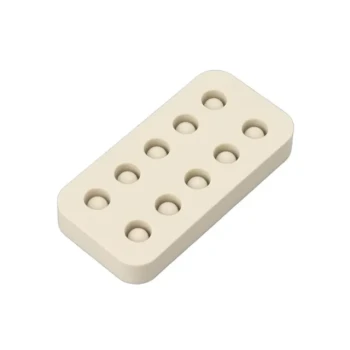
- 10-Cell Silicone Beeswax Bee Queen Cups Forming Mold
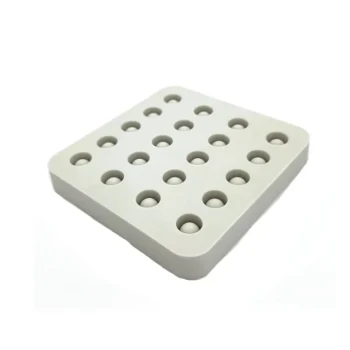
- High-Efficiency 20-Cell Silicone Mold for Beeswax Bee Queen Cup Production
- Clear Black Plain Polystyrene Queen Bee Grafting Cell Cups No Lug for Bee Queen Cup
- Brown Nicot Queen Cell Cups for Breeding Queen Bees Beekeeping
People Also Ask
- What is the primary function of commercial plastic queen cell cups? Driving Efficiency in Mass Queen Rearing
- What are the primary advantages of using plastic queen cell cups? The Industrial Choice for High-Efficiency Apiaries
- What technical advantages do commercial plastic queen cell cups offer? Scale Your Queen Rearing for Maximum Efficiency
- What is the function of standardized plastic Queen Cell Cups? Boost Efficiency in Commercial Larval Grafting
- Why are standardized plastic queen cell cups preferred? Boost Commercial Queen Rearing Efficiency