Precision and isolation are the defining advantages of utilizing a laboratory-controlled monitoring system for honey bee queen research. Unlike unpredictable field conditions, a lab environment allows researchers to strictly regulate critical variables like temperature, humidity, and nutrition while capturing real-time data on egg-laying frequency. This capability is essential for isolating specific physiological triggers and accurately quantifying breeding success.
By eliminating environmental noise, laboratory systems transform queen breeding from an observational art into a quantifiable science. They provide the hard data necessary to develop precise nutritional guidelines that maximize colony productivity in commercial settings.
The Necessity of Environmental Control
Eliminating External Variables
In a natural hive, fluctuating weather and seasonal changes make it nearly impossible to isolate cause and effect.
Laboratory-controlled systems allow for the precise regulation of temperature and humidity. This ensures that any observed changes in egg-laying performance are due to the specific variables being tested, not random environmental shifts.
Real-Time Performance Tracking
Traditional field observation often relies on periodic checks, which leaves gaps in the data.
Advanced monitoring equipment tracks egg-laying frequency and success rates in real-time. This granular data reveals patterns in queen physiology that intermittent observation would miss.
The Role of Nutritional Precision
Quantifying Dietary Impact
A major advantage of laboratory systems is the ability to control exactly what the queen consumes.
Researchers can administer specific pollen nutrition and measure its direct effect on the queen's physiology and the development of worker bees. This establishes a clear link between specific nutrients and reproductive output.
Developing Commercial Feeding Plans
The ultimate goal of this data collection is practical application for the industry.
By quantifying nutritional effects, these systems provide a scientific basis for commercial apiaries. This data allows beekeepers to develop precise supplementary feeding plans that are proven to boost colony health and productivity.
Ensuring Data Integrity
Maintaining Precise Identification
While the lab environment controls the variables, accurate data relies on maintaining the identity of the subject.
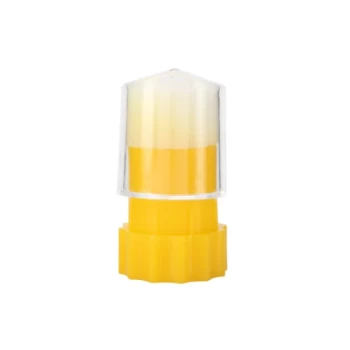
Using specialized marking tools and numbered disks creates a unique physical identification code for each queen. This is critical when correlating lab performance data with long-term pedigree records.
Linking Pedigree to Performance
A controlled system is only as good as its ability to trace lineage.
Reliable identification ensures technicians can track individual queens through hive transfers and performance testing over several years. This establishes a reliable pedigree chain connecting the queen’s lab performance to the quality of her worker bee offspring.
Understanding the Trade-offs
The Lab vs. Field Distinction
While laboratory systems offer unmatched precision, they create an artificial environment.
The primary trade-off is that controlled conditions do not perfectly replicate the complex ecosystem of a natural apiary. It is vital to view lab results as a baseline for physiological potential, which must then be validated by field performance.
Making the Right Choice for Your Goal
To maximize the value of a controlled monitoring system, align your approach with your specific objectives:
- If your primary focus is nutritional research: Isolate specific pollen types in the lab to quantify their exact impact on egg-laying frequency before testing in the field.
- If your primary focus is commercial herd management: Use the data generated from these systems to create standardized supplementary feeding schedules for your apiaries.
- If your primary focus is long-term genetic improvement: Combine environmental control with rigorous marking protocols (numbered disks) to ensure data stays attached to the correct pedigree chain.
Laboratory monitoring provides the controlled baseline required to turn biological potential into predictable commercial success.
Summary Table:
| Feature | Laboratory-Controlled System | Field Observation |
|---|---|---|
| Environmental Control | High: Precise regulation of temp/humidity | Low: Subject to weather and seasons |
| Data Collection | Real-time tracking of egg-laying frequency | Intermittent: Periodic hive inspections |
| Nutritional Study | High: Exact quantification of dietary intake | Low: Uncontrolled foraging variables |
| Reliability | Eliminates 'noise' for scientific baseline | Reflects complex, real-world ecosystems |
| Primary Goal | Isolate physiological triggers & pedigree | Validate performance in commercial settings |
Elevate Your Apiary Operations with HONESTBEE
At HONESTBEE, we empower commercial apiaries and distributors with the precision tools needed to turn scientific insights into commercial success. Whether you are conducting advanced research or managing large-scale herds, our comprehensive wholesale portfolio has you covered.
Our Value to You:
- Specialized Machinery: From hive-making to honey-filling machines for high-efficiency production.
- Complete Tooling: A full spectrum of beekeeping hardware and essential industry consumables.
- Growth Support: Expert equipment tailored for queen breeding, nutritional studies, and genetic management.
Ready to optimize your colony productivity and streamline your supply chain? Contact HONESTBEE today to discuss our wholesale solutions and machinery!
References
- Jaber Amin, Ulviye Kumova. Apis<i>mellifera</i>Mitochondrial DNA (mtDNA), A Rewiew Paper. DOI: 10.1051/bioconf/20248501010
This article is also based on technical information from HonestBee Knowledge Base .
Related Products
- No Grafting Queen Rearing Kit: System for Royal Jelly Production and Queen Rearing
- Nicot Queen Rearing Kit for Beekeeping and Grafting in Nicot System
- Premium Nicot Style Queen Rearing Kit with Hair Roller Bee Cages
- Queen Bee Artificial Insemination Instrument Equipment for Instrumental Insemination
- JZBZ Langstroth Queen Rearing Frame for Beekeeping
People Also Ask
- What is the primary function of a queen rearing kit? Eliminate Manual Grafting for Superior Bee Breeding
- How do specialized queen rearing kits and queen management tools improve the success rate of bee colony expansion?
- What are some alternative methods to grafting for queen cell production? Discover Graft-Free Queen Rearing Systems
- Are queen rearing systems generally suitable for all honeybee species? Master Efficient Breeding Methods
- Are queen rearing systems suitable for all beekeepers? Modern Tools for Every Experience Level