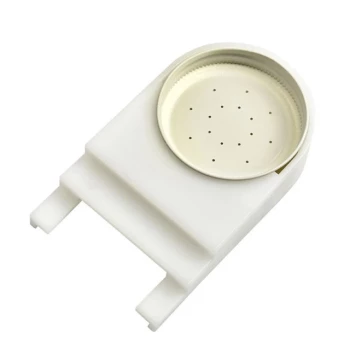
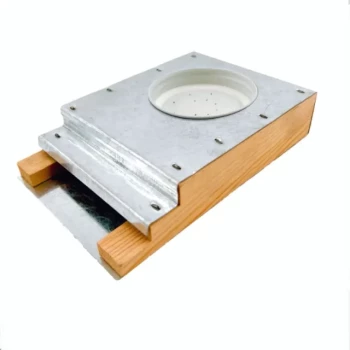
An entrance feeder is a streamlined feeding mechanism that consists of two main parts: a jar that sits exposed outside the hive and a feeding tray that slides directly into the hive’s entrance. The device operates on gravity and vacuum pressure; the jar is filled with syrup or water, which drips onto the internal tray, providing the colony with immediate access to food.
While entrance feeders are favored for their low cost and the ability to monitor feed levels without opening the hive, they carry significant risks regarding temperature sensitivity and attracting pests.
The Mechanics of the Entrance Feeder
Components and Placement
The system relies on a simple, two-piece design. A feed jar (often a standard mason jar) serves as the reservoir and rests on the landing board outside the hive body.
This jar attaches to a plastic base or tray. This tray is the only component that actually enters the hive, sliding into the front entrance to deliver the syrup to the bees.
The Delivery System
Once the jar is inverted and attached to the base, the syrup drips down into the feeding tray.
Because the tray is located just inside the entrance, bees can access the feed quickly without needing to travel to the top of the hive or leave the colony.
Operational Advantages
Non-Intrusive Monitoring
The primary benefit of this design is visibility. Because the glass jar remains outside the hive, you can instantly check feed levels at a glance.
This eliminates the need to open the hive or disturb the colony just to see if they need a refill.
Spring Utility
These feeders are generally inexpensive and easy to deploy. They are particularly effective for providing water or light syrup in the spring when colonies are building up and weather is mild.
Understanding the Trade-offs
The Risk of Robbing
The most significant drawback of the entrance feeder is its tendency to incite robbing behavior.
Because the syrup is positioned at the entrance and the jar is outside, the scent of sugar is easily detected by bees from other hives or wasps. This can attract intruders to the front door, leading to fighting and potential colony loss.
Temperature Vulnerability
The external position of the jar exposes the feed to the elements.
In cold months, the syrup is highly likely to freeze or become too viscous for the bees to consume. Conversely, in extreme heat, the syrup may expand and leak, further encouraging robbing.
Best Practices for Usage
Proper Installation
To function correctly, the feeder must be paired with a compatible jar and the base must be slid firmly into the entrance.
Prevention of Leaks
It is critical to ensure the hive and the feeder are level. If the feeder is tilted, the vacuum seal may break, causing the syrup to leak out of the tray and pool on the bottom board.
Making the Right Choice for Your Goal
Ideally, entrance feeders are best used as temporary solutions during specific seasons rather than year-round fixtures.
- If your primary focus is spring build-up: Use this feeder to provide water or 1:1 syrup, as the ease of monitoring helps you keep pace with the colony's rapid consumption.
- If your primary focus is winter feeding: Avoid this feeder entirely; the external jar will freeze, rendering the food inaccessible when the bees need it most.
- If your primary focus is preventing robbing: Choose an internal feeder instead, as the external scent of an entrance feeder invites competition from stronger neighboring colonies.
Select the entrance feeder for convenience during mild weather, but switch to internal methods when temperatures drop or predator pressure rises.
Summary Table:
| Feature | Description |
|---|---|
| Components | External jar (reservoir) and internal plastic feeding tray |
| Mechanism | Gravity and vacuum pressure delivery through the hive entrance |
| Best Use Case | Spring water or light syrup provision in mild weather |
| Primary Benefit | Easy monitoring of feed levels without opening the hive |
| Key Risks | Attracting pests (robbing) and vulnerability to freezing temperatures |
| Installation | Must be level to prevent syrup leakage and vacuum seal breakage |
Scale Your Beekeeping Success with HONESTBEE
Are you looking to optimize your apiary operations or expand your distribution inventory? At HONESTBEE, we specialize in supporting commercial apiaries and beekeeping distributors with a comprehensive wholesale portfolio.
From high-quality entrance feeders and specialized beekeeping tools to industrial honey-filling machines and hive-making equipment, we provide the hardware and consumables you need to thrive. Whether you are scaling a professional colony or supplying the next generation of beekeepers with premium gear and honey-themed merchandise, we are your dedicated industry partner.
Ready to elevate your production? Contact us today to discuss our wholesale offerings and customized machinery solutions!
Related Products
- HONESTBEE Entrance Bee Feeder Professional Hive Nutrition Solution for Beekeeping
- Classic Boardman Entrance Bee Feeder Hive Front Feeding Solution
- HONESTBEE Entrance Bee Feeder Efficient Hive Front Liquid Feeding Solution for Beekeeping
- Boardman Entrance Bee Feeder Durable Galvanized Steel and Wood Construction for Beekeeping
- Professional Hive Front Entrance Bee Feeder
People Also Ask
- What types of bee feeders are available for beginners? Start with the Simple Entrance Feeder
- What are the advantages and disadvantages of using an entrance feeder for bees? Balance Convenience and Hive Security.
- What is a bee entrance feeder and what are its drawbacks? Essential Guide to Hive Security and Feeding Efficiency
- How does a bee entrance feeder work? A Simple Guide to Convenient Hive Feeding
- How to make an entrance feeder for bees? A DIY Guide for Safe & Effective Feeding