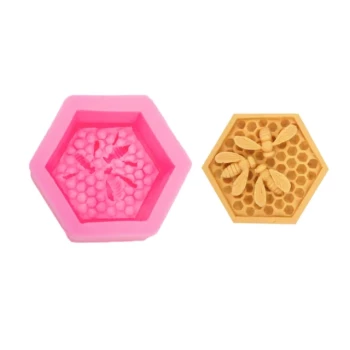
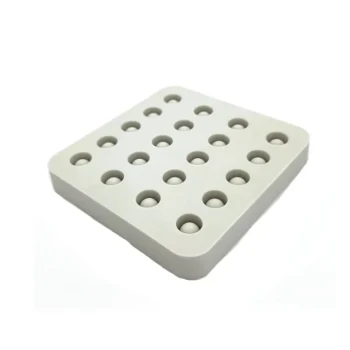
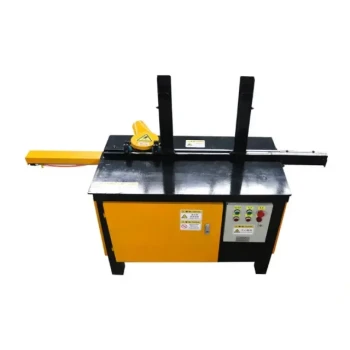
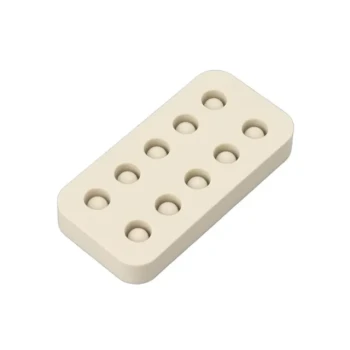
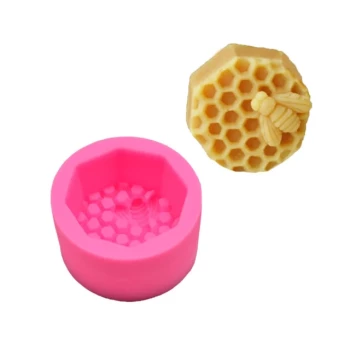
High-precision Casting Moulds and Frame Wire serve as the structural engineering behind modern apiary management. Casting Moulds imprint specific cellular patterns onto wax to accelerate and organize comb construction, while Frame Wire acts as internal reinforcement to prevent structural failure. Together, they transform a simple wooden frame into a durable, high-efficiency production unit capable of withstanding the rigors of honey extraction.
Core Takeaway: While the wooden box provides shelter, the internal engineering provided by accurate moulding and wire reinforcement dictates the colony's efficiency. These components ensure that bees build straight, usable comb and that the honeycomb remains intact during high-speed extraction and summer heat.
The Role of High-Precision Casting Moulds
Guiding Efficient Comb Construction
Bees are naturally industrious, but they benefit significantly from a template. Casting Moulds, often referred to as foundation machines, press exact worker bee cell patterns onto wax sheets. This provided "blueprint" eliminates the energy bees would spend determining cell size and placement, allowing the colony to draw out comb much faster.
Ensuring Uniformity and Order
Without a precise foundation, colonies may build erratic "burr comb" or irregular cells that are difficult to inspect and manage. High-precision moulding ensures a standardized cell structure throughout the hive. This uniformity guides the bees to build neat, straight combs, which is essential for movable frame management and efficient brood rearing.
The Critical Necessity of Frame Wire
Withstanding Centrifugal Force
Modern honey harvesting involves spinning frames in a radial extractor at high speeds. Frame Wire acts as the internal skeleton for the honeycomb. Without this steel reinforcement, the centrifugal force required to fling the honey out would tear the wax apart, destroying the comb and wasting the bees' hard work.
Resilience Against Heat and Load
Beeswax softens significantly in the high temperatures common inside an active hive during summer. Wire reinforcement prevents the heavy comb—laden with honey and brood—from sagging or shearing off the wooden frame. This structural integrity ensures the frames remain durable across multiple seasons and usage cycles.
Understanding the Trade-offs
Initial Labor vs. Long-Term Reliability
Utilizing wired frames and foundation sheets requires significantly more upfront preparation than "natural" or foundationless beekeeping. You must thread the wire, apply tension, and embed the wax sheets. However, this labor investment prevents catastrophic comb failure during harvest, which is far more costly in the long run.
Equipment Investment
High-precision casting moulds are specialized pieces of equipment. For small-scale hobbyists, purchasing a foundation machine may not be cost-effective compared to buying pre-made foundation sheets. However, for larger operations, owning the mould allows for wax recycling and autonomy, reducing supply costs over time.
Optimizing Your Hive Strategy
To maximize the longevity and productivity of your apiary, apply these principles based on your operational goals:
- If your primary focus is maximum honey yield: You must use wired frames to ensure your combs survive the stress of mechanical extraction without blowing out.
- If your primary focus is rapid colony growth: Utilize high-precision moulded foundation to minimize the bees' building time and maximize the space available for brood rearing.
By securing the structural integrity of the comb and streamlining the bees' natural instincts, these components turn a passive wooden box into a durable, high-yield honey factory.
Summary Table:
| Component | Primary Function | Key Benefit |
|---|---|---|
| Casting Moulds | Imprints precise cell patterns on wax | Accelerates comb building & ensures uniform cell size |
| Frame Wire | Provides internal structural reinforcement | Prevents comb breakage during high-speed extraction |
| Foundation Sheet | Acts as a blueprint for the colony | Eliminates irregular 'burr comb' for easier inspections |
| Steel Reinforcement | Supports wax during high temperatures | Prevents comb sagging or shearing under heavy honey loads |
Elevate Your Apiary Efficiency with HONESTBEE
At HONESTBEE, we understand that the strength of your honey production lies in the quality of your infrastructure. As a premier partner for commercial apiaries and distributors, we provide the high-precision tools necessary to scale your operations. From advanced casting moulds and hive-making machinery to professional-grade frame wire and essential consumables, our comprehensive wholesale portfolio is designed to maximize your yield and durability.
Ready to upgrade your beekeeping equipment? Contact us today to explore our full spectrum of honey-filling machines, specialized hardware, and cultural merchandise tailored to your business needs.
References
- Alemayehu Abebe, Alebachew Habtamu. Analysis of honey production systems in three agro-ecologies of Benishangul-Gumuz, Western Ethiopia. DOI: 10.5897/jaerd2015.0705
This article is also based on technical information from HonestBee Knowledge Base .
Related Products
- 3D Beehive Silicone Skep Wax Candle Molds for Candles
- Colorful Silicone Beeswax Foundation Mold Mould for Beekeeping
- Honeycomb and Bee Silicone Soap Mold for DIY Handmade Soaps
- High-Efficiency Pneumatic Bee Hive Making Machine for Rapid Box Assembly
- High-Efficiency 20-Cell Silicone Mold for Beeswax Bee Queen Cup Production
People Also Ask
- Is spray release necessary when using silicone molds for candle making? Master the Art of Flawless Demolding
- How do you secure a silicone mold for candle making? Prevent Leaks and Achieve Perfect Candles
- How should you prepare the mold for pouring hot wax? Achieve Professional Candles Every Time
- How do you remove a finished candle from the mold? Master the Art of Flawless Demolding
- Why are silicone molds preferred over tin or plastic molds for beeswax candles? Boost Efficiency & Quality