The biological secret to maximizing royal jelly production lies in the targeted stimulation of nurse bee physiology through consistent nutritional triggers. High-protein supplements delivered via precision feeders directly activate the hypopharyngeal and mandibular glands of nurse bees. This physiological response ensures that bees between 4 and 15 days of age maintain peak secretory activity, effectively transforming supplemental protein into high-yield, high-quality royal jelly.
Specialized feeders and protein-rich supplements bypass natural foraging limitations by providing a continuous nutritional stimulus that maximizes the secretory capacity of a colony. This systematic approach ensures both high-volume production and the preservation of critical bioactive compounds like 10-HDA.
The Physiological Foundation of Royal Jelly Secretion
Activation of Hypopharyngeal and Mandibular Glands
The primary mechanism for royal jelly production is the development of the hypopharyngeal and mandibular glands in young worker bees. When these bees consume high-protein feed—typically a blend of honey and pollen—it triggers these glands to expand and begin active secretion.
The Critical 4-to-15-Day Window
Nurse bees are only biologically capable of peak secretion during a specific lifecycle stage, generally between 4 and 15 days of age. Consistent protein availability ensures that every bee in this age bracket reaches its maximum biological potential for secretion.
Simulating a Perpetual Nectar Flow
Industrial feeders allow producers to simulate a high-nectar flow environment even during droughts or nectar dearths. By providing a steady supply of 50% concentration sugar solutions or specialized syrups, the colony maintains a "rearing drive" that prevents the glands from becoming dormant.
The Role of Specialized Feeding Infrastructure
Precision Nutrient Delivery
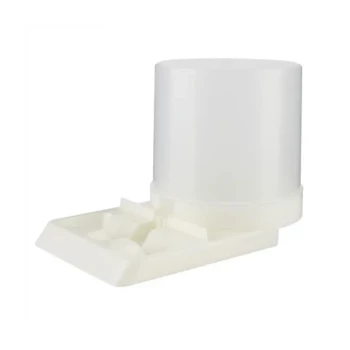
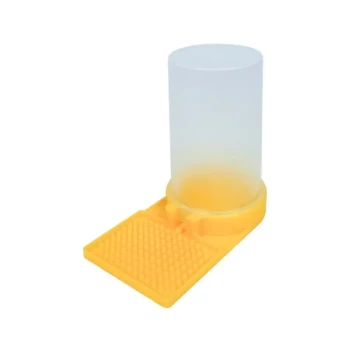
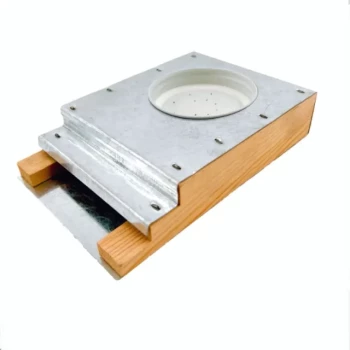
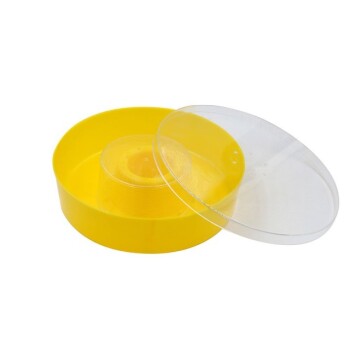
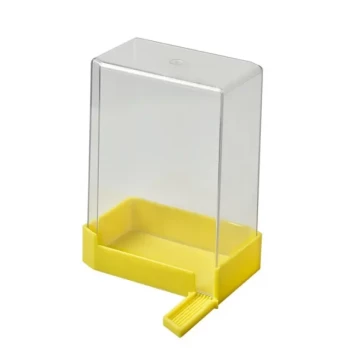
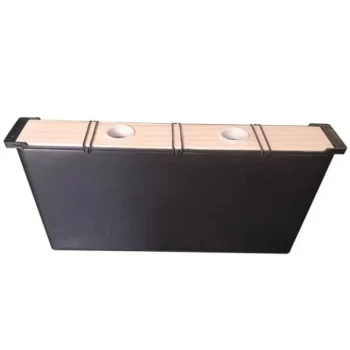
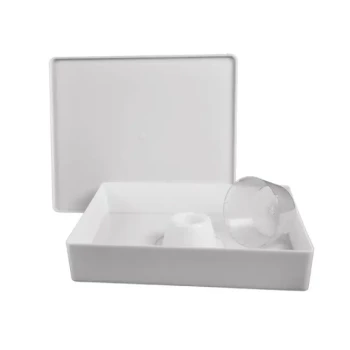
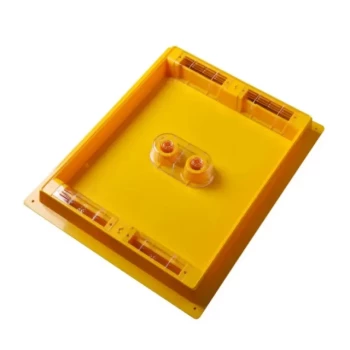
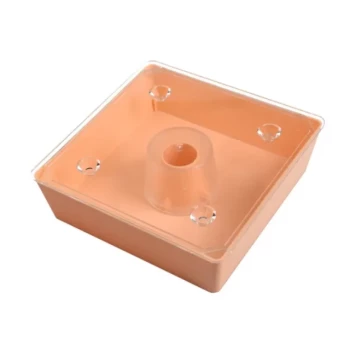
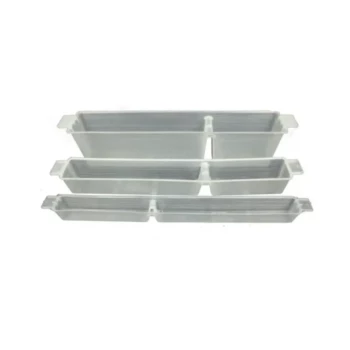
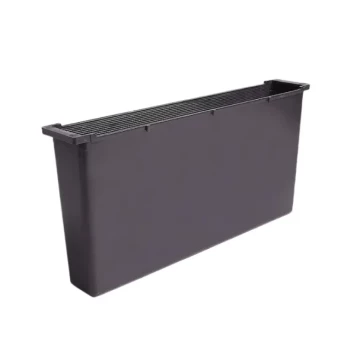
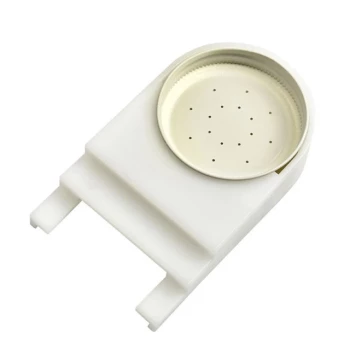
Top feeders and frame-positioned feeders are designed to provide a 1:1 mixture of honey and bee pollen directly to the cluster. This proximity ensures that nurse bees can feed without expending excessive energy, allowing more metabolic resources to be diverted toward jelly production.
Optimized Hive Internal Structures
Modern production has evolved from yielding 0.3 kg per colony to over 10 kg per colony through the use of high-efficiency consumables. These tools, including specialized plastic cell cups and frames, work in tandem with feeders to organize the colony for industrial-scale output.
Maintaining Bioactive Integrity
The value of royal jelly is defined by its 10-hydroxy-2-decenoic acid (10-HDA) content and moisture levels. Specialized processing equipment and cold chain protocols are required immediately after collection to stabilize these core indicators and prevent biological degradation.
Understanding the Trade-offs and Risks
Feed Quality vs. Contamination Risk
While supplements increase volume, using low-quality protein sources can lead to nutritional imbalances or the introduction of pathogens. Standardized analysis of feed components is essential to ensure the resulting royal jelly meets pharmaceutical and functional food grades.
Structural Design and Bee Mortality
Poorly designed feeders pose a significant risk of bee drowning, which can decimate the nurse bee population and halt production. High-quality industrial feeders incorporate specific textures and access points to minimize mortality while maintaining high-speed feed uptake.
Environmental Dependency
Even with advanced supplementation, external factors like temperature and humidity affect the bees' metabolic rate. Supplemental feeding is a powerful tool, but it must be calibrated to the specific climatic conditions to avoid over-stimulating or stressing the colony.
Applying This Expertise to Your Inventory Strategy
Selecting the right combination of supplements and hardware is critical for maintaining a reliable B2B supply chain and meeting the volume requirements of wholesale buyers.
- If your primary focus is maximizing raw volume for industrial buyers: Invest in high-capacity top feeders and standardized protein supplements to ensure consistent colony stimulation regardless of local nectar conditions.
- If your primary focus is premium, high-10-HDA jelly for pharmaceutical use: Prioritize specialized processing equipment and cold chain infrastructure to preserve the biological activity of the jelly immediately after secretion.
- If your primary focus is supply chain reliability and efficiency: Source from a full-spectrum provider that offers rapid delivery of both high-precision feeders and analyzed protein feeds to reduce operational downtime.
By aligning biological understanding with professional-grade equipment, distributors can guarantee the consistency and quality demanded by the global royal jelly market.
Summary Table:
| Factor | Biological Mechanism | Role of Equipment & Supplements |
|---|---|---|
| Gland Stimulation | Activates hypopharyngeal & mandibular glands | High-protein supplements trigger active secretion |
| Feeding Frequency | Simulates a perpetual high-nectar flow | Precision feeders ensure constant nutritional triggers |
| Colony Efficiency | Maximizes output of 4-15 day old bees | Strategic feeder placement reduces bee energy waste |
| Bioactive Integrity | Preserves 10-HDA and moisture levels | Specialized processing tools stabilize the final product |
Scale Your Beekeeping Wholesale Business with HONESTBEE
As a leading one-stop sourcing partner, HONESTBEE empowers distributors, wholesalers, and commercial apiaries with a comprehensive, full-spectrum product portfolio. From high-precision bee feeders and analyzed protein supplements that drive royal jelly output to specialized honey-filling machinery and hive-making hardware, we provide the tools necessary for industrial-scale success.
By partnering with us, you benefit from:
- Deep Professional Expertise: Scientific insights into maximizing colony yield and 10-HDA integrity.
- Ultra-Fast Fulfillment: Rapid response times and efficient order processing to keep your supply chain reliable.
- Premium B2B Services: Specialized OEM/ODM support and wholesale configurations designed to maximize your profit margins.
Ready to enhance your inventory with professional-grade beekeeping equipment and consumables?
Contact our expert team today!
References
- O. Mishchenko, Y. Ischenko. The biological and technological aspects of obtaining the geleeroyale. DOI: 10.33245/2310-9270-2020-157-1-111-117
This article is also based on technical information from HonestBee Knowledge Base .
Related Products
- Rapid Bee Feeder White Plastic 2L Round Top Feeder for 8 or 10-Frame Bee Hives
- White Plastic 0.5L Beekeeping Entrance Feeder for Bees
- HONESTBEE Entrance Bee Feeder Professional Hive Nutrition Solution for Beekeeping
- HONESTBEE Professional Entrance Bee Feeder Hive Nutrition Solution
- Boardman Entrance Bee Feeder Durable Galvanized Steel and Wood Construction for Beekeeping
People Also Ask
- What should be done with feeders and equipment after feeding bees? Essential Steps for Apiary Health
- What should be done if feed in a feeder is not consumed by the bees? Prevent Hive Mold with Prompt Feed Management
- What is the necessity of specialized internal or entrance feeders? Secure Your Hive with Professional Feeding Tools
- How do bee feeders work to preserve colony health during nectar shortages? Essential Guide for Beekeepers
- How quickly does a medium to strong colony usually empty a feeder? A Beekeeper's Guide to Hive Health