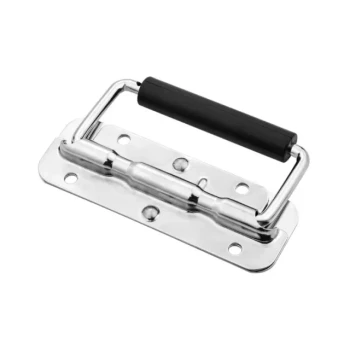
To correctly clean and sanitize a hive tool, begin by mechanically scraping off all wax and propolis buildup. Once cleared of debris, scrub the tool vigorously using a stainless-steel scrubber, water, and a cleansing powder before rinsing it with clean water. For complete sanitization, specifically when working across multiple apiaries, immerse the tool in a bath of rubbing alcohol until it is needed again.
Core Takeaway Mechanical cleaning removes physical debris, but it does not eliminate disease. To effectively prevent cross-contamination between hives or apiaries, you must couple thorough scrubbing with a chemical sanitization step, such as an alcohol soak.
The Cleaning Process
Removing Physical Debris
The first step is mechanical removal. Before applying water or chemicals, you must scrape off as much wax and propolis as possible.
This debris can harbor pathogens and shield them from sanitizing agents. Use the tool’s own edges or a separate scraper to expose the metal surface underneath.
The Scrubbing Technique
Once the bulk of the material is removed, use a stainless-steel scrubber.
Combine the scrubber with water and a cleansing powder. Scrub the tool thoroughly to remove sticky residue, honey, and remaining wax that scraping missed.
Rinsing
After scrubbing, rinse the tool under clean water.
Ensure all cleansing powder and loosened debris are washed away. This prepares the surface for the final sanitization phase.
The Sanitization Protocols
High-Risk Sanitization (Multiple Apiaries)
If you are moving tools between different apiaries, cleaning alone is insufficient. You must kill potential pathogens.
Immerse the clean tool in a container of rubbing alcohol. Leave the tool submerged in the alcohol bath until its next use. This ensures a high level of sterility and prevents the spread of disease between different bee populations.
Low-Risk Maintenance (Private Use)
For a private beekeeper managing a single apiary with tools used exclusively in their own hives, the protocol is less aggressive.
A thorough wash in hot water with cleansing powder, followed by air drying, is typically sufficient. In this context, an alcohol wash serves as an optional extra precaution rather than a mandatory requirement.
Common Safety Pitfalls
Handling Sharp Edges
Hive tools must be kept sharp to function effectively, but this presents a safety hazard during cleaning.
When scraping propolis or wax off woodenware or the tool itself, ensure your free hand is never positioned where the tool could slip and cut you. Always handle the blade edges with care during the scrubbing process.
The "Clean vs. Sterile" Misconception
A common mistake is assuming a visually clean tool is safe for all environments.
While washing removes dirt, it does not necessarily kill bacteria or spores. If you suspect disease in a hive, or if you are visiting a new location, do not rely on hot water alone.
Operational Recommendations
To ensure the health of your colonies and the longevity of your equipment, match your cleaning protocol to your operational risk.
- If your primary focus is maintaining a private, single-location apiary: Rely on a thorough scrub with hot water and cleansing powder, allowing the tool to air dry completely.
- If your primary focus is managing multiple apiaries or preventing cross-contamination: Mandate an alcohol soak after cleaning, keeping the tool submerged until you are ready to work the next hive.
Routine maintenance is the hallmark of a responsible beekeeper; a sterile tool is a safe tool.
Summary Table:
| Step | Process | Method/Material | Purpose |
|---|---|---|---|
| 1 | Mechanical Cleaning | Scrape with tool edge | Removes wax and propolis buildup |
| 2 | Deep Scrubbing | Stainless-steel scrubber & powder | Clears honey and sticky residues |
| 3 | Rinsing | Clean water | Removes soap and loosened debris |
| 4 | Sanitization | Rubbing alcohol immersion | Eliminates pathogens for cross-apiary use |
| 5 | Drying | Air dry | Prepares tool for storage or next use |
Maximize Your Apiary Productivity with HONESTBEE
At HONESTBEE, we understand that professional beekeeping requires more than just knowledge—it requires high-quality, durable equipment. Whether you are a commercial apiary manager or a global distributor, we provide the industrial-strength hive tools, honey-filling machinery, and hive-making equipment you need to scale your operations.
Our Value to You:
- Comprehensive Wholesale Offering: A one-stop shop for all beekeeping tools and essential industry consumables.
- Industrial Machinery: Specialized hardware including honey-themed cultural merchandise and high-efficiency processing machines.
- Global Distribution Support: Reliable supply chains tailored for large-scale commercial needs.
Ensure your apiary stays disease-free and efficient with the right gear. Contact us today to discuss your wholesale equipment needs!
Related Products
- Professional Multi-Function Stainless Steel Hive Tool
- Professional Stainless Steel Pry-Bar Hive Tool
- HONESTBEE Professional Long Handled Hive Tool with Precision Cutting Blade
- HONESTBEE Premium Italian Style Hive Tool with Hardwood Handle
- Ergonomic Plastic Frame Spacer Tool for Rapid Hive Management Beekeeping
People Also Ask
- Why are professional hive tools considered indispensable? Master Beekeeping Maintenance with Precision Leverage
- What is the role of professional hive tools in routine apiary maintenance? Expert Tips for Hive Health and Longevity
- What are the benefits of a multi-functional hive tool? Streamline Your Apiary Workflow with One Tool
- What advantages do multi-functional hive tools offer? Maximize Your Apiary Efficiency and Workflow
- What are the common construction features of hive tools? Key Insights for Superior Beekeeping Efficiency