Hive splitting is a fundamental regeneration strategy used to maintain apiary stability. This management technique involves dividing a single, healthy colony into multiple functional units using additional hive hardware and introduced queens. By artificially propagating colonies in the spring, beekeepers can directly offset winter mortality rates and drive an overall increase in apiary size.
By leveraging strong survivors to create new units, splitting transforms winter losses from a permanent setback into a manageable resource calculation, ensuring apiary sustainability despite natural attrition.
The Mechanics of Colony Recovery
Artificial Propagation
Splitting is the primary method for compensating for colony losses incurred during the winter. By taking a robust colony and dividing it, beekeepers effectively multiply their livestock.
Hardware and Queens
The process requires specific inputs: additional hive hardware to house the new units and new queen bees to head them. This combination allows one biological unit to become two or more distinct, productive colonies.
Timing for Growth
This technique is typically executed in the spring. This timing aligns with natural biological cycles, allowing the new colonies to establish themselves during the growing season.
The Impact on Industry Data
Distinguishing Mortality from Management
To understand the true health of the apiculture industry, it is critical to differentiate between natural survival and managed recovery. High colony numbers at the end of a season do not necessarily indicate low winter mortality; they often indicate aggressive splitting.
Objective Productivity Assessment
Researchers rely on distinct statistics for hive splitting to separate natural winter mortality from managed colony recovery. Tracking splitting events allows for an objective assessment of beekeeping productivity and the actual biological pressure on honey bee populations.
Understanding the Trade-offs
Reduced Foraging Capacity
While splitting increases the total number of hives, it temporarily dilutes the workforce of the original colony. This results in a short-term reduction in foraging capacity, as the worker population is divided between multiple boxes.
Increased Resource Demands
New splits are not immediately self-sufficient. To ensure the long-term stability and survival rate of these new units, beekeepers must often provide nutritional supplementation and engage in rigorous environmental monitoring.
Making the Right Choice for Your Goal
To effectively utilize hive splitting in your management plan, consider your immediate objectives:
- If your primary focus is restoring apiary size: Prioritize early spring splits using strong survivors to numerically replace winter losses before the main honey flow.
- If your primary focus is accurate record-keeping: Document splitting events separately from survival rates to gain a true understanding of your apiary's winter hardiness versus your management inputs.
Mastering the split allows you to dictate the size of your operation rather than being at the mercy of winter weather.
Summary Table:
| Factor | Impact of Hive Splitting | Requirement for Success |
|---|---|---|
| Population | Multiplies colony count to offset winter mortality | High-quality mated queens |
| Productivity | Temporary reduction in per-hive foraging capacity | Robust hive hardware & tools |
| Sustainability | Transforms losses into manageable resource cycles | Nutritional supplementation |
| Growth Timing | Best executed in early spring for peak recovery | Intensive colony monitoring |
Scale Your Beekeeping Operation with HONESTBEE
Recovering from winter losses requires more than just technique—it demands the right infrastructure. HONESTBEE empowers commercial apiaries and distributors with a comprehensive wholesale range of professional-grade beekeeping tools and machinery.
Whether you need to scale up your inventory with premium hive hardware, automate your workflow with advanced honey-filling machines, or source essential industry consumables, we provide the durability and precision your business depends on.
Ready to maximize your apiary's productivity and sustainability? Contact HONESTBEE today to discuss our bulk equipment solutions and cultural merchandise tailored for industry leaders.
References
- Kathleen V. Lee, Dennis vanEngelsdorp. A national survey of managed honey bee 2013–2014 annual colony losses in the USA. DOI: 10.1007/s13592-015-0356-z
This article is also based on technical information from HonestBee Knowledge Base .
Related Products
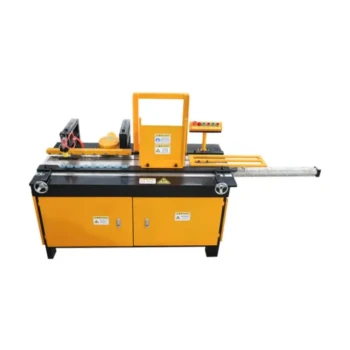
- Beehive Handle and Frame Rest Cutting Machine: Your Specialized Hive Machine
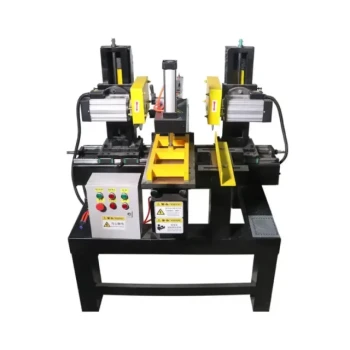
- Beehive Machine Double End Saw for Precision Hive Component Manufacturing
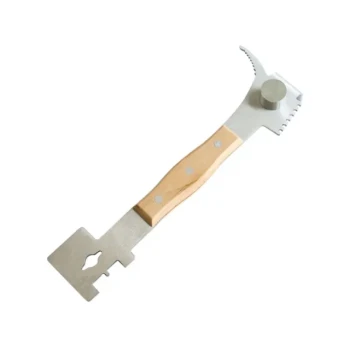
- Multi-Function Hive Tool with Integrated Hammer for Beekeeping
- Professional Dual-End Stainless Steel Hive Tool for Beekeeping
- Ergonomic Plastic Frame Spacer Tool for Rapid Hive Management Beekeeping
People Also Ask
- What is the importance of specialized beehive-making machinery? Ensure Precision for Sensor-Based Hive Monitoring
- How do bee hive handles facilitate the evaluation of food stores? Use the Lift Test for Winter Survival
- How do specialized beehive handling machines contribute to efficiency? Streamline Your Mobile Beekeeping Logistics
- How do professional beehive and frame manufacturing machines contribute to commercial apiary management? Boost Efficiency
- What are the standard dimensions for frame rests in a beehive? Essential Guide for Perfect Bee Space