Regular comb replacement is the bedrock of modern apiary biosecurity. It serves as a fundamental physical intervention that removes accumulated pathogen spores, such as American Foulbrood, and chemical pesticide residues from the hive environment. By systematically introducing fresh foundation, beekeepers ensure a sterile brooding area, maintain colony vitality, and guarantee the chemical purity of honey and wax products.
Regular comb replacement is a critical preventive maintenance practice that mitigates disease risk and chemical contamination. It transforms the hive from a potential reservoir of pathogens into a high-performance environment for brood rearing and honey production.
Disrupting the Cycle of Pathogen Accumulation
Removing Bio-Accumulated Spores
Old wax combs act as a physical sink for microorganisms and viral loads. Over time, pathogens like Nosema ceranae and American Foulbrood (AFB) spores embed themselves within the cell walls, making them nearly impossible to eliminate through external treatments.
Eliminating Pesticide Residues
Beeswax is lipophilic, meaning it naturally absorbs and retains fat-soluble chemicals and pesticides from the environment. Regular replacement prevents these toxins from reaching concentrations that could impair the immune systems or reproductive health of the colony.
Enhancing Colony Immunity
Providing a clean environment for larval development directly correlates to the innate immunity of the emerging bees. When the "cradle" is free of contaminants, the resulting worker bees are hardier, more productive, and better equipped to survive winter clusters.
Optimizing Commercial Productivity
Standardizing Colony Growth
High-quality comb foundation acts as a physical template, guiding bees to build straight, uniform combs. This uniformity is essential for efficient hive inspections and mechanized honey extraction, which are core requirements for commercial-scale operations.
Managing Population Composition
By selecting specific cell sizes on new foundation sheets, beekeepers can precisely manage the ratio of worker bees to drones. This strategic control ensures that colony energy is focused on honey production and pollination services rather than an overabundance of drone brood.
Stimulating Wax Secretion
The process of drawing out new foundation encourages worker bees to secrete fresh wax, a natural behavior that signals colony vitality. This renewal process keeps the colony in a high-growth state, which is vital for maximizing seasonal yields.
Understanding the Trade-offs
The Energy Cost of New Wax
The primary downside to frequent replacement is the metabolic cost to the bees. Secreting wax requires significant honey consumption; if beekeepers replace too many combs simultaneously during a nectar dearth, it can temporarily slow colony expansion or honey storage.
Resource and Labor Management
For large-scale distributors and commercial beekeepers, a rigorous replacement schedule demands efficient inventory management. Maintaining a consistent supply of premium foundation and the labor to cycle out old frames requires a disciplined operational framework.
Quality of the Foundation
Not all foundation is equal. Low-quality or contaminated foundation can introduce the very residues beekeepers are trying to remove, making reliable sourcing from expert trading partners a critical component of any hygiene program.
Strategic Sourcing for Commercial Success
As a distributor or wholesaler, your ability to provide high-quality foundation and expert guidance is a major value-add for your clients. Partnering with a supplier that offers a comprehensive product portfolio and ultra-fast delivery ensures that beekeepers can implement these hygiene practices without delay.
- If your primary focus is disease prevention: Prioritize a three-year rotation cycle where one-third of all brood combs are replaced annually with sterile, premium foundation.
- If your primary focus is honey purity: Ensure all honey supers utilize fresh, residue-free wax to prevent the migration of chemicals from old wax into the honey crop.
- If your primary focus is operational efficiency: Source foundation from partners providing rapid response times and efficient order fulfillment to match the fast-paced demands of the active bee season.
By treating comb replacement as a foundational biosecurity protocol, you empower your clients to maintain healthier colonies and produce superior, market-ready bee products.
Summary Table:
| Key Benefit | Impact on Apiary Health | Commercial Advantage |
|---|---|---|
| Pathogen Removal | Eliminates AFB spores and Nosema | Reduces colony loss and treatment costs |
| Chemical Purity | Removes accumulated pesticide residues | Ensures high-quality, residue-free wax & honey |
| Colony Immunity | Promotes hardier, healthier worker bees | Increases pollination and honey yield |
| Growth Control | Manages worker-to-drone ratios | Optimizes hive efficiency and extraction |
Scale Your Supply Chain with HONESTBEE's Wholesale Solutions
As a distributor or B2B reseller, providing your clients with premium foundation is the first step in ensuring their apiary success. HONESTBEE is your dedicated one-stop sourcing partner, offering a comprehensive portfolio of beekeeping tools, hive-making machinery, and essential consumables designed for commercial-scale operations.
Why Partner with HONESTBEE?
- One-Stop Sourcing: From high-purity wax foundation to honey-filling machines, we supply everything your customers need.
- Rapid Fulfillment: Benefit from our ultra-fast delivery and efficient order processing to meet peak seasonal demands.
- Professional Expertise: Leverage our deep industry knowledge to offer your clients the best biosecurity and hygiene tools.
- Distributor Support: We focus on premium trading services and reliable supply chains to protect your profit margins.
Contact HONESTBEE Today for Exclusive Wholesale Pricing
References
- Burcu Sönmez, Hasan Özcan. An Analysis of the Decline in Bee Populations and Its Effects on Pollination. DOI: 10.51458/bstd.2025.48
This article is also based on technical information from HonestBee Knowledge Base .
Related Products
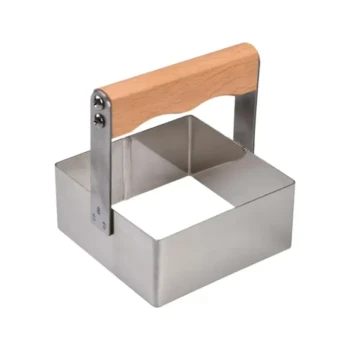
- Heart-Shaped Comb Honey Frame and Honeycomb Cassette
- Heavy Duty Stainless Steel Honeycomb Cutter
- Professional Frame Comb Fork and Lifter for Efficient Handling
- Plastic Honey Comb Frames Cassette Box for Honey
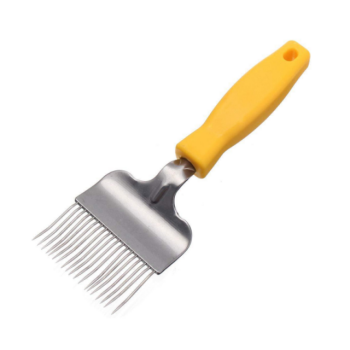
- Professional Bent Tine Honey Uncapping Fork with Ergonomic Grip
People Also Ask
- How are honeybee combs utilized for non-destructive colony monitoring? Master Population Density Tracking
- What is a honeycomb frame? The Key to Modern, Sustainable Beekeeping
- What is the technical purpose of exchanging honeycomb frames? Master Apiary Equalization for Growth
- What frame to use for honeycomb? Choose the Right System for Pure, Edible Comb
- What is the significance of sampling honeycomb frames and hive bottoms? A Guide to Scientific Sanitation Monitoring