The crush and strain method is a fundamental, manual technique for harvesting liquid honey from natural comb. Instead of spinning the honey out using centrifugal force, this process involves physically removing the comb from the hive, destroying the wax structure to release the honey, and filtering the mixture through a mesh material like cheesecloth or a paint strainer to separate the liquid from the wax remnants.
The crush and strain method prioritizes simplicity over speed. By destroying the comb to release the honey, it eliminates the need for expensive extraction machinery, making it the ideal entry point for small-scale beekeepers or those utilizing top-bar hives where frames cannot be spun.
The Mechanics of the Method
Removal and Clearing
The process begins by removing excess honey frames or top bars from the hive. You must brush these free of bees before transporting them to a secure location.
It is critical to place the frames in a covered bucket immediately. This prevents robbing behaviors from other bees and keeps the workspace clean as you move away from the hive.
Breaking the Structure
Unlike extraction, where the comb remains intact, this method requires you to cut the comb free from the frame or top bar.
Once the comb is removed, it is crushed thoroughly. This physical destruction breaks the wax cappings and the cell walls, allowing the honey to flow freely from the structure.
Filtration
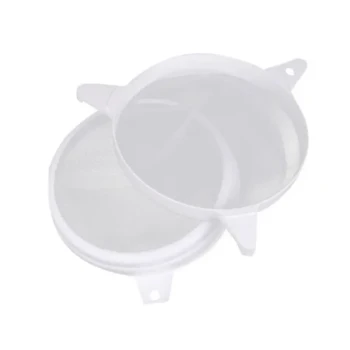
The resulting mash of honey and wax is poured into a filter. Common tools for this include cheesecloth or a paint strainer bag.
Gravity pulls the heavy honey through the mesh into a collection bucket below. The wax remnants remain trapped in the filter, effectively separating the two hive products.
Why Use Crush and Strain?
Simplicity and Low Cost
This method requires minimal equipment. You do not need a mechanized honey extractor or a heavy-duty press, which are significant investments for hobbyists.
Suitability for Natural Comb
In hives where bees build natural comb without wire reinforcement (such as Top Bar hives), the wax is often too fragile to withstand the centrifugal force of a spinning extractor.
Crushing the comb is often the only viable option for these hive styles, as the comb would likely disintegrate inside a standard machine regardless.
Understanding the Trade-offs
Destruction of Resources
The most significant downside is the total loss of drawn comb. Because the wax is crushed, the bees cannot reuse the structure.
They must consume significant energy and honey resources to rebuild the wax from scratch before they can store honey again. This can result in lower overall honey yields compared to extraction methods that return empty intact combs to the hive.
Processing Speed
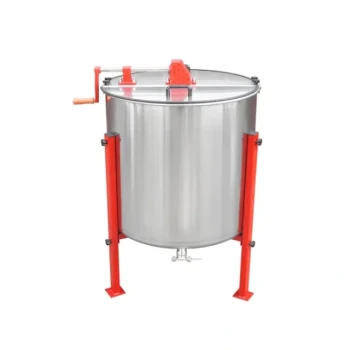
Crush and strain is a slow process relying on gravity. While a honey press can accelerate this by mechanically squeezing the comb, it is still generally slower and more labor-intensive than using a motorized radial extractor.
Making the Right Choice for Your Goal
To determine if this method aligns with your beekeeping objectives, consider the following:
- If your primary focus is low startup costs: This method is ideal as it requires only a bucket, a knife, and a strainer, avoiding the cost of a centrifuge.
- If your primary focus is maximum honey yield: You should avoid this method, as preserving the drawn comb (via extraction) allows bees to fill cells faster than if they have to rebuild them.
- If your primary focus is wax production: This method is excellent because it results in a large volume of high-quality beeswax as a byproduct of the harvest.
For the natural beekeeper or the hobbyist with just a few hives, the crush and strain method offers the perfect balance of simplicity and effectiveness.
Summary Table:
| Feature | Crush and Strain Method | Centrifugal Extraction |
|---|---|---|
| Equipment Required | Bucket, Knife, Strainer | Honey Extractor, Uncapping Tools |
| Startup Cost | Low / Minimal | High |
| Comb Outcome | Destroyed (Harvested as wax) | Intact (Reusable by bees) |
| Processing Speed | Slow (Gravity-dependent) | Fast (Mechanical) |
| Best Suitability | Top Bar Hives / Hobbyists | Langstroth Hives / Commercial |
| Beeswax Yield | High | Low |
Maximize Your Harvest with HONESTBEE Professional Solutions
Whether you are a hobbyist practicing traditional methods or a commercial apiary scaling for growth, HONESTBEE provides the tools you need to succeed. We specialize in supporting commercial apiaries and distributors with a comprehensive range of premium wholesale equipment.
From high-efficiency honey-filling machines and specialized hardware to a full spectrum of beekeeping tools and essential consumables, we bridge the gap between traditional craftsmanship and modern productivity.
Ready to elevate your beekeeping business? Contact us today to explore our wholesale catalog and expert solutions!
Related Products
- Stainless Steel Triangle Support Honey Strainer and Filters
- Stainless Steel Double Layer Honey Strainer Sieve Filters
- Nylon Honey Strainer Square Filter Cloth for Honey Filters
- Two-Stage Plastic Honey Filter for Buckets
- All-Stainless Steel Pivoting Honey Uncapping Fork for Beekeeping
People Also Ask
- Why is stainless steel preferred for honey strainers? Ensure Purity and Durability for Your Honey
- What can I use to strain honey? A Beekeeper's Guide to Choosing the Right Filter
- What is the easiest way to strain honey? A Simple Guide for Hobbyist Beekeepers
- What is the primary function of a honey strainer in beekeeping? Achieve Commercial Purity & Visual Clarity
- Why is straining an essential step in honey processing? Master the Key to Pure, Market-Ready Honey Harvests