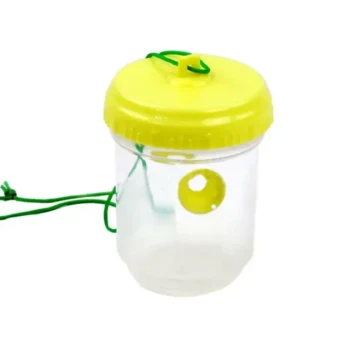
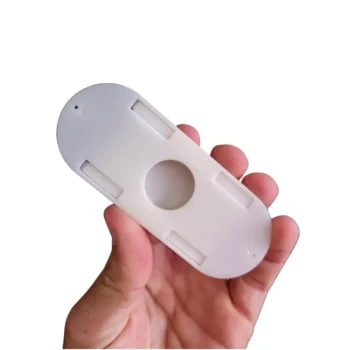
The design logic of plastic propolis traps is built on the honeybee's biological imperative to seal structural gaps within the hive. By placing a plastic grid or mat with specific-width openings on top of the hive frames, the device simulates natural crevices, triggering the bees' instinct to fill these voids with pure plant resin (propolis) rather than wax.
Core Takeaway Propolis traps are engineered to exploit "gap-filling" behavior, converting a biological instinct into a standardized harvesting mechanism. By inducing bees to deposit resin into a removable plastic matrix, these devices isolate propolis from hive debris, significantly elevating purity levels compared to manual scraping.
The Principle of Biological Simulation
Exploiting the "Horror Vacui"
Bees have a natural aversion to open gaps or drafts within the hive enclosure.
The plastic trap features a grid of precise, narrow openings that the bees perceive as structural flaws. This triggers an immediate response to seal the area to maintain the hive's internal climate and security.
Selective Material Deposition
The design encourages the deposition of propolis rather than beeswax.
Because the gaps mimic small cracks rather than large open spaces (which bees usually fill with comb), the bees utilize resinous propolis. This ensures the collected material is chemically distinct and rich in the bioactive compounds sought for commercial use.
Engineering for Purity and Quality
Eliminating Physical Contaminants
The primary technical advantage of the trap design is the separation of propolis from hive components.
Traditional manual scraping removes wood chips, paint, and beeswax along with the propolis. The plastic grid ensures the harvested material never bonds with the wooden hive box, reducing impurities to typically less than 10%.
Enhancing Commercial Grade
The resulting product requires significantly less refinement.
By preventing the inclusion of insect remains and splintered wood at the source, the raw material is immediately suitable for high-grade extraction. This makes it viable for medicinal and oral care applications where purity is paramount.
Operational Mechanics
Strategic Placement
The trap acts as a false ceiling for the colony.
It is typically installed directly on top of the hive frames, beneath the outer cover. This location is critical because bees are highly motivated to seal the top of the hive to prevent heat loss, particularly as the seasons change.
Thermal Harvesting Design
The choice of plastic material is functional, not just economical.
Once the grid is filled, the flexibility of the plastic allows for "thermal harvesting." The trap can be frozen, causing the propolis to become brittle and easily peel or shatter off the flexible grid without the need for scraping tools.
Understanding the Trade-offs
Seasonal Sensitivity
The trap's effectiveness is heavily reliant on seasonal cues.
While the traps can be left on year-round, the design is most effective in autumn. This is when bees instinctively rush to "winterize" the hive, leading to maximum propolis production; using them in low-flow seasons may yield diminishing returns.
Equipment Dependency
Unlike scraping, this method requires specialized hardware.
While manual scraping requires only a basic tool, traps require an upfront investment in reusable mats and potentially freezer space for harvesting. The logistics of cycling mats (sending filled ones for processing and replacing them) adds a layer of operational complexity.
Making the Right Choice for Your Goal
- If your primary focus is Pharmaceutical Grade Purity: Implement plastic traps to ensure the raw material contains minimal wood or insect debris, meeting high regulatory standards.
- If your primary focus is Low-Cost, Crude Production: Stick to manual scraping, provided you accept that the presence of wood chips and beeswax will relegate the product to lower-tier applications.
By aligning your harvesting hardware with the innate behavior of the colony, you transition from simple extraction to high-precision biomanufacturing.
Summary Table:
| Feature | Logic & Function | Benefit for Beekeepers |
|---|---|---|
| Gap Engineering | Simulates 2-3mm cracks to trigger bee "gap-filling" instinct | Maximizes resin deposition over beeswax |
| Material Choice | Flexible, food-grade plastic allows for thermal harvesting | Propolis shatters off when frozen, saving labor |
| Grid Placement | Acts as a false ceiling beneath the hive cover | Prevents heat loss while concentrating propolis |
| Separation Design | Prevents resin from bonding with wood or paint | Reduces impurities like wood chips to <10% |
Maximize Your Apiary's Commercial Potential with HONESTBEE
Elevate your propolis production from crude scraping to pharmaceutical-grade harvesting. HONESTBEE provides professional-grade plastic propolis traps and a comprehensive suite of beekeeping machinery designed for high-efficiency commercial operations. Whether you are a large-scale commercial apiary or a global distributor, our wholesale offerings include everything from hive-making and honey-filling machines to essential industry consumables.
Ready to scale your production and improve product purity? Contact HONESTBEE Today for Custom Wholesale Solutions
References
- Omar Arvey Martinez, Ademilson Espencer Egea Soares. Melhoramento genético na apicultura comercial para produção da própolis. DOI: 10.1590/s1519-99402012000400006
This article is also based on technical information from HonestBee Knowledge Base .
Related Products
- Removable Plastic Pollen Trap With Ventilated Tray for Bees Pollen Collector
- 8 Frame and 10 Frame Propolis Trap Collector Screen for Propolis Collection
- 30 cm Plastic Entrance Hole Bee Pollen Trap and Collector
- Plastic Bee Pollen Trap Strips Comb Catcher Collector
- Plastic Beetle Blaster Trap Beekeeping Tools and Supplies
People Also Ask
- What are the design principles and advantages of pollen traps in the collection of bee pollen? Boost Your Apiary Yield
- What is the function of professional pollen traps in evaluating honey plants? Quantifying Pollination and Crop Potential
- What functions do pollen traps serve for bee bread production? Optimize Your Raw Material Collection
- What maintenance and pest prevention measures should be taken for pollen traps? Protect Your Hive and Harvest Quality
- How does the use of pollen traps in honeybee hives enhance crop fertilization? Boost Your Yield Through Induced Activity