The primary difference between honeycomb wax and old brood comb lies in their purity and contamination levels. Honeycomb wax is fresh, clean, and easy to render, while old brood comb is dark, laden with larval debris, and often contaminated by chemical treatments.
Core Takeaway Honeycomb wax represents "virgin" material that is ideal for high-quality applications like cosmetics due to its purity. Conversely, old brood comb acts as a biological sponge, accumulating cocoons, waste, and chemical residues, making it difficult to process and resulting in a lower quality end product.
The Physical Composition
Visual Appearance and Age
Honeycomb wax is generally lighter and fresher. Because it is used primarily for honey storage rather than raising larvae, it retains its original wax character.
Old brood comb turns significantly darker over time, eventually becoming brown or black. This discoloration is caused by thousands of "honeybee footprints" and general hive traffic accumulated over seasons of use.
The Accumulation of Debris
The most significant structural difference is the presence of cocoons.
Honeycomb wax is free of these casings. However, in brood comb, generations of bees have been raised in the cells; the silken cocoons spun by larvae remain embedded in the wax, adding significant non-wax mass to the structure.
Chemical Purity and Contamination
Absorption of Treatments
Beeswax is a lipid, meaning it absorbs chemicals readily. Old brood comb is particularly susceptible to this.
It often contains accumulated chemical residues from varroa mite treatments applied by the beekeeper. Because the comb stays in the hive for long periods, these concentrations can build up over time.
Environmental Contaminants
Beyond intentional treatments, brood comb can harbor other contaminants introduced to the hive.
Honeycomb wax, being harvested and cycled out more frequently (often with the honey harvest), has less time to absorb these environmental toxins, making it chemically cleaner.
Processing and Rendering Trade-offs
Difficulty of Cleaning
Honeycomb wax is highly desirable because it renders down easily. With very little debris to filter out, the process is straightforward and clean.
Old brood comb is notoriously "messy" to render. The water and wax mixture becomes thick with sludge from the decaying cocoons and other hive debris.
Yield and Loss
When processing honeycomb, you get a high return on the volume you melt.
When processing old brood comb, you will experience significant wax loss. The cocoons and waste material (often called slumgum) act like a sponge, soaking up the molten wax and preventing it from being recovered, drastically reducing your final yield.
Making the Right Choice for Your Goal
Knowing the source of your wax allows you to decide how it should be used.
- If your primary focus is Cosmetic Products: Use honeycomb wax. It is free from cocoons and, more importantly, free from accumulated chemical treatments that should not be on human skin.
- If your primary focus is Candle Making or Utility Wax: You can use old brood comb, but be prepared for a labor-intensive rendering process and a darker, less pure final product.
Always prioritize the cleanest wax source available to minimize processing time and maximize product safety.
Summary Table:
| Feature | Honeycomb Wax (Virgin) | Old Brood Comb |
|---|---|---|
| Color | Light, pale yellow to white | Dark brown to black |
| Debris Content | Minimal to none | High (cocoons, larval waste, silk) |
| Chemical Purity | High (frequent turnover) | Low (absorbs mite treatments & toxins) |
| Rendering Effort | Easy and clean | Difficult, produces significant "slumgum" |
| Wax Yield | High return per volume | Low return (wax trapped in cocoons) |
| Best Use | Cosmetics, high-end skincare | Industrial utility, lower-grade candles |
Maximize Your Harvest with Professional Beekeeping Solutions
At HONESTBEE, we understand the critical difference that pure wax and efficient processing make to your bottom line. Whether you are a commercial apiary or a distributor, our mission is to support your operation with high-performance tools and equipment.
From high-yield honey-filling machines to durable hive-making machinery, we provide everything you need to scale your business. Our comprehensive wholesale catalog includes:
- Beekeeping Tools & Machinery: Industrial-grade equipment for processing wax and honey.
- Wholesale Consumables: A full spectrum of essential supplies for large-scale operations.
- Honey Culture Merchandise: Expand your brand with unique, honey-themed products.
Ready to upgrade your apiary’s efficiency? Contact our expert team today to discuss how our wholesale offerings can drive growth for your business.
Related Products
- Stainless Steel Jack Type Honey Comb Press Machine Wax and Honey Separator
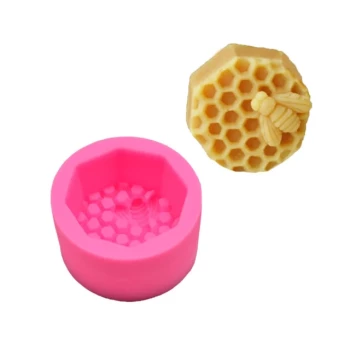
- Hexagonal Bee Honeycomb Silicone Soap Mold by HONESTBEE
- Beeswax Melter for Candle Making Honey Bee Wax Melter
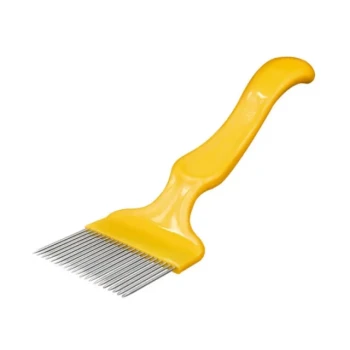
- Professional Honey Uncapping Fork Tool with Customizable Tine Options
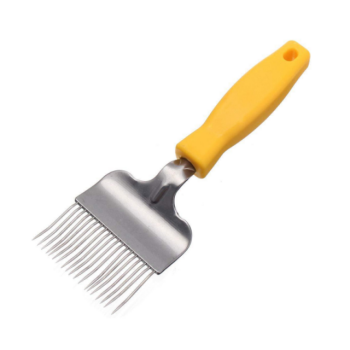
- Professional Bent Tine Honey Uncapping Fork with Ergonomic Grip
People Also Ask
- Can you heat honey to separate from wax? A Guide to Preserving Honey Quality
- How do you separate honey from wax at home? A Simple Guide to Zero-Waste Harvesting
- How do you separate honey from wax cappings? Choose the Best Method for Your Harvest
- How do I separate honey from wax? A Two-Stage Process for Maximum Yield
- What temperature does wax separate from honey? Achieve Clean, Efficient Honey Rendering