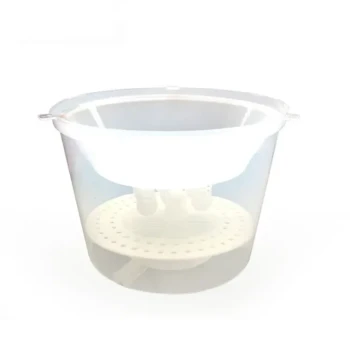
A Langstroth hive equipped with a bottom pollen trap functions as a precision control mechanism for nutritional variables in field studies. By mechanically engaging the trap, researchers can effectively intercept and exclude natural pollen brought in by foraging workers, forcing the colony to rely on specific, researcher-provided protein substitutes.
The core value of this setup is the elimination of environmental "noise." It transforms an open-field biological system into a controlled experiment, ensuring that any changes in bee health or population dynamics can be attributed directly to the experimental diet rather than unpredictable local flora.
Isolating Nutritional Variables
The primary challenge in honey bee nutrition research is that bees are free-flying foragers. A standard hive allows them to gather unknown quantities of pollen from various plant sources, making it impossible to know exactly what they are eating.
Excluding Environmental Input
The bottom pollen trap serves as a physical barrier at the hive entrance. When engaged, it strips pollen pellets from the legs of returning foragers. This allows researchers to exclude external environmental variables—specifically the influx of wild protein sources—during critical phases of an experiment.
Enforcing Dietary Compliance
Once natural pollen is restricted, the colony experiences a protein deficit. This ensures that the bees must consume the specific protein-substitute diets provided by the researcher to survive and rear brood. This creates a direct cause-and-effect relationship between the provided diet and colony performance.
The Role of Standardization
While the pollen trap controls the food, the Langstroth hive design controls the habitat. This combination is essential for generating reproducible scientific data.
Establishing a Unified Baseline
Standardized ten-frame Langstroth hives provide a consistent nesting environment. Whether using single or double-story configurations, this modular system ensures that all colonies in a study start with identical volume and frame space.
Enabling Precision Management
The modularity of the Langstroth system allows for high-level manipulation without destroying colony structure. Researchers can easily remove frames to equalize brood levels or isolate the queen. This ensures that the initial colony size and population distribution are comparable across all treatment groups before the nutritional experiment begins.
Dual Utility of the Pollen Trap
Beyond restricting diet, the pollen trap is a critical tool for data collection and control group creation.
Collecting High-Purity Samples
The trap allows for the collection of local, natural pollen pellets. Researchers use these samples for amino acid and protein analysis to understand the nutritional baseline of the local environment.
Creating the Control Diet
In many studies, the goal is to compare an artificial substitute (like Azolla pinnata) against natural pollen. The trap allows researchers to harvest "gold standard" natural pollen, which is then formed into patties and fed to the control group. This allows for a strictly controlled comparison where both the experimental and control groups are fed patties inside the hive, removing foraging effort as a variable.
Understanding the Trade-offs
While this equipment setup is powerful, it introduces specific challenges that must be managed to ensure data integrity.
Balancing Restriction and Health
Total restriction of natural pollen can induce severe nutritional stress if the substitute diet is inadequate. Researchers must carefully monitor brood rearing patterns and physiological responses to ensure the colony does not collapse due to protein starvation before data can be collected.
Maintenance of the Variable
The trap is a mechanical device that must be managed precisely. Researchers must rigorously engage or disengage the trap at specific intervals. Failure to maintain the trap allows "contraband" natural pollen to enter, which contaminates the data and ruins the exclusivity of the experimental diet.
Making the Right Choice for Your Goal
To maximize the utility of a Langstroth hive with a bottom pollen trap, align your usage with your specific research objective:
- If your primary focus is testing the efficacy of a new synthetic feed: Engage the trap strictly to force total reliance on the supplement and eliminate wild pollen interference.
- If your primary focus is comparative nutritional analysis: Use the trap to harvest local pollen first, analyze its protein content, and use it to create a chemically defined control patty.
This equipment combination is the industry standard for converting the chaos of the field into the precision of the laboratory.
Summary Table:
| Feature | Research Function | Impact on Data Quality |
|---|---|---|
| Bottom Pollen Trap | Excludes natural environmental pollen | Eliminates nutritional "noise" & ensures dietary compliance |
| Langstroth Hive | Standardized nesting volume & frame space | Establishes a reproducible baseline across treatment groups |
| Trap Engagement | Forces reliance on provided protein substitutes | Creates direct cause-and-effect for experimental diets |
| Sample Collection | Harvests high-purity local pollen | Enables chemical analysis for control group comparisons |
Elevate Your Apiary Research with HONESTBEE
At HONESTBEE, we understand that precision is the foundation of successful beekeeping research and commercial scalability. We provide a comprehensive range of high-quality Langstroth hives, specialized pollen traps, and professional-grade beekeeping machinery designed for commercial apiaries and global distributors.
Whether you are conducting rigorous nutritional field studies or scaling up honey production, our wholesale portfolio offers everything from essential hardware to advanced honey-filling and hive-making machines. We empower our partners with durable, standardized equipment that withstands the demands of professional industry use.
Ready to optimize your colony management and equipment supply?
Contact HONESTBEE Today to Explore Wholesale Solutions
References
- Mustafa Güneşdoğdu, Samet Hasan Abacı. Changes in Vitellogenin, Abdominal Lipid Content, and Hypopharyngeal Gland Development in Honey Bees Fed Diets with Different Protein Sources. DOI: 10.3390/insects15040215
This article is also based on technical information from HonestBee Knowledge Base .
Related Products
- Langstroth Solid Bottom Board for Beekeeping
- Langstroth Screen Bottom Board for Beekeeping Wholesale
- Solid Bottom Board Australian Pine Wood Langstroth Bottom Board for Wholesale
- Australian Pine Wood Langstroth Screen Bottom Board for Wholesale
- Australian Langstroth Beehive Boxes for Beekeeping Wholesales
People Also Ask
- What are the functions of solid bottom boards for a beehive? Essential Thermal Protection and Winter Survival Tips
- What is the purpose of a solid bottom board for bee hives? Enhance Hive Health and Winter Survival
- How does climate influence the choice between a solid and screened bottom board? Optimize Your Hive for Local Weather
- What is the primary function of a bottom board in a modern modified beehive system? Essential Foundation Guide
- What are the characteristics of a solid bottom board for a beehive? Boost Colony Health and Thermal Insulation