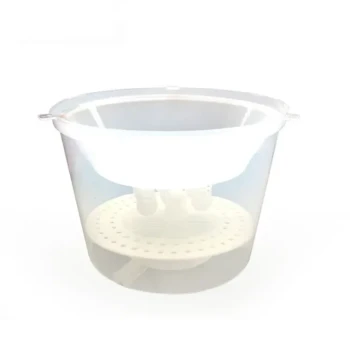
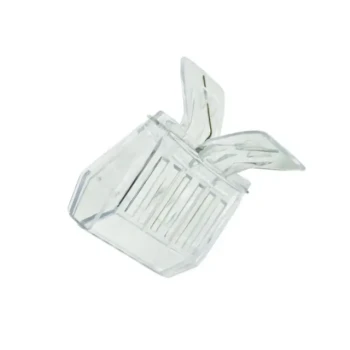
A professional pollen trap functions as a non-invasive biological sampling interface installed directly at the entrance of a beehive. Its primary purpose is to mechanically intercept and collect pollen loads from returning foraging bees, allowing researchers to gather essential environmental data without disrupting the internal operations of the colony.
By converting a standard beehive into a passive data collection point, professional pollen traps enable the large-scale monitoring of environmental health, specifically facilitating the analysis of pesticide residues and botanical diversity.
The Mechanics of Sample Collection
Strategic Placement
The device is engineered to fit at the beehive entrance, the singular point of entry for all returning foragers. This positioning is critical because it captures data at the exact moment resources are brought in from the field.
Passive Interception
As bees pass through the trap, the device dislodges the pollen loads carried on their legs. This allows the collection of biological samples without requiring the researcher to handle the bees individually.
Non-Invasive Operation
A key functional advantage is the ability to sample without opening the hive. This minimizes stress on the colony and maintains the hive's internal climate, which is essential for long-term monitoring studies.
Applications in Environmental Monitoring
Chemical Surveillance
One of the primary uses of the collected pollen is the analysis of environmental pesticide residues. Because bees forage over a wide radius, the pollen they return serves as a composite sample of the chemical landscape surrounding the hive.
Biodiversity Assessment
The traps also facilitate the study of the diversity of pollen sources. By analyzing the specific plant origins of the pollen, researchers can map local flora and assess the availability of forage for pollinators.
Large-Scale Scalability
Because the equipment is passive and external, it allows for sampling across large geographical areas. Networks of hives can be equipped with these traps to monitor environmental changes across vast landscapes simultaneously.
Operational Considerations
Impact on Colony Resources
It is important to recognize that these traps intercept the colony's protein source. While the reference emphasizes collection, the interception of pollen implies a reduction in the food available for brood rearing, necessitating careful management during sampling periods.
Data Integrity
The "professional" designation of the equipment suggests a higher standard of design. This ensures that the pollen samples remain viable for laboratory analysis, preventing contamination or degradation before they are collected by the researcher.
Making the Right Choice for Your Research
When utilizing professional pollen traps for environmental monitoring, consider your specific analytical goals:
- If your primary focus is Ecotoxicology: Use the trap to gather aggregate samples to detect and quantify specific pesticide residues present in the local agriculture.
- If your primary focus is Botanical Surveying: Utilize the collected loads to identify plant species, determining the diversity of pollen sources available in the ecosystem.
Effective use of this tool turns the honeybee into an efficient, autonomous environmental surveyor.
Summary Table:
| Function/Feature | Operational Description | Key Benefit |
|---|---|---|
| Strategic Placement | Positioned at hive entrance | Captures data the moment foragers return |
| Passive Interception | Dislodges pollen loads mechanically | Hands-free biological sample collection |
| Non-Invasive Sampling | External operation (no hive opening) | Minimizes colony stress and maintains climate |
| Chemical Surveillance | Analysis of pesticide residues | Maps chemical exposure across foraging radii |
| Diversity Mapping | Botanical origin identification | Assesses ecosystem health and flora diversity |
Elevate Your Environmental Monitoring with HONESTBEE
Maximize your research precision and apiary efficiency with HONESTBEE. We cater specifically to commercial apiaries and distributors, offering a comprehensive wholesale portfolio designed for industry leaders.
Our value to you includes:
- Advanced Equipment: From precision-engineered pollen traps to high-capacity hive-making and honey-filling machinery.
- Full Spectrum Supply: A complete range of beekeeping tools, industry consumables, and honey-themed cultural merchandise.
- Professional Scalability: Durable solutions designed to meet the rigorous demands of large-scale operations.
Ready to upgrade your equipment or expand your distribution line? Contact us today to explore our wholesale offerings!
References
- Robert Brodschneider, Jozef van der Steen. INSIGNIA: Beekeepers as citizen scientists investigate the environment of their honey bees. DOI: 10.22323/1.393.0019
This article is also based on technical information from HonestBee Knowledge Base .
Related Products
- Removable Plastic Pollen Trap With Ventilated Tray for Bees Pollen Collector
- 30 cm Plastic Entrance Hole Bee Pollen Trap and Collector
- Professional Bucket Style Wasp and Moth Pheromone Trap
- Plastic Bee Pollen Trap Strips Comb Catcher Collector
- Professional Multi-Component Bucket Wasp Trap
People Also Ask
- What are the design principles and advantages of pollen traps in the collection of bee pollen? Boost Your Apiary Yield
- What is the function of professional pollen traps in evaluating honey plants? Quantifying Pollination and Crop Potential
- What functions do pollen traps serve for bee bread production? Optimize Your Raw Material Collection
- What maintenance and pest prevention measures should be taken for pollen traps? Protect Your Hive and Harvest Quality
- How does the use of pollen traps in honeybee hives enhance crop fertilization? Boost Your Yield Through Induced Activity