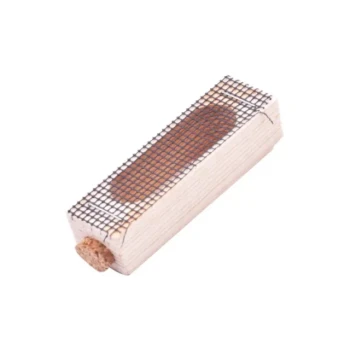
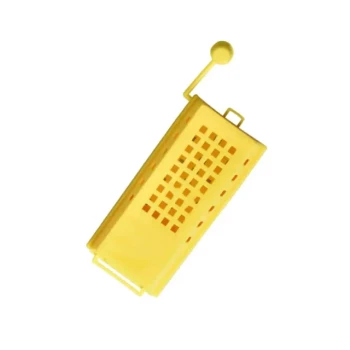
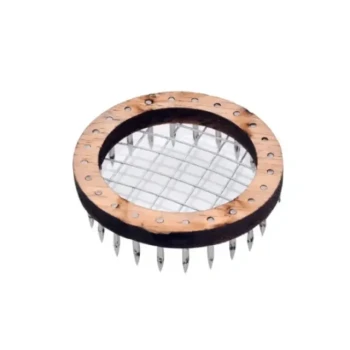
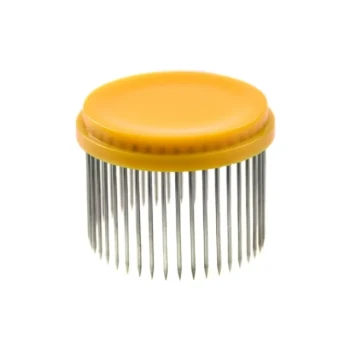
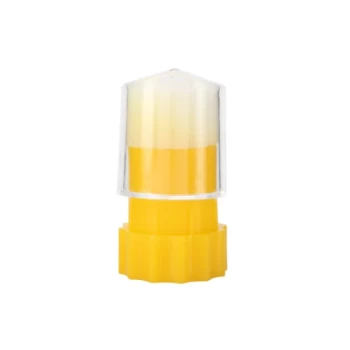
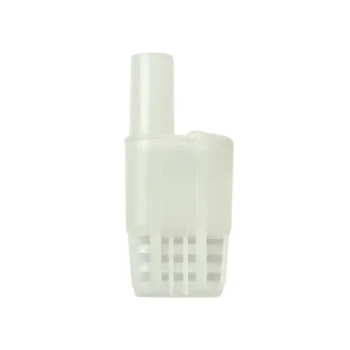
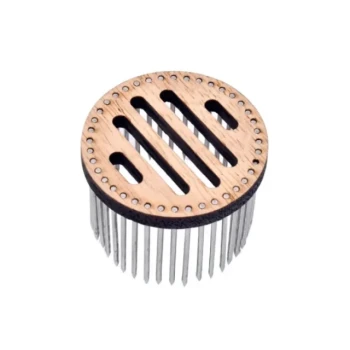
Queen cages and marking are the primary mechanisms for safely introducing new genetics to a hive and efficiently managing colony health over time. A queen cage acts as a protective acclimation chamber, allowing a colony to habituate to a new queen's scent without physically harming her during transport or introduction. Queen marking serves a dual purpose: it provides a high-visibility visual aid for locating the queen among thousands of workers and establishes a permanent record of her age.
Successful beekeeping relies on the ability to control genetics and monitor productivity. The cage ensures the queen survives her arrival, while the mark ensures you can track her performance and longevity throughout her life.
The Role of the Queen Cage
Safe Transport and Protection
The primary function of a queen cage is to serve as a secure shipping container. It protects the mated queen from physical injury and environmental stress during transit from the breeder to the apiary.
Facilitating Colony Acceptance
Introduction is the most critical phase of requeening. If a new queen is released immediately into a queenless colony, the resident bees may view her as an intruder and kill her.
The cage creates a physical barrier that allows the colony to habituate to her pheromones safely. Over a period of days, the colony accepts her scent, significantly increasing the success rate once she is released.
The Strategic Value of Queen Marking
Accelerating Hive Inspections
Finding a single queen among tens of thousands of worker bees can be time-consuming and disruptive. Queen marking involves placing a small dot of water-based paint on the queen's thorax.
This distinct visual indicator allows beekeepers to spot the queen almost immediately. Faster identification reduces the time the hive is open, lowering stress on the colony and increasing the beekeeper's efficiency.
Tracking Age and Lineage
Beyond visibility, the color of the mark carries specific data. Beekeepers utilize an international color code to represent the year the queen hatched.
By seeing the color, a beekeeper instantly knows the queen's age. This is vital for determining when a queen is becoming too old and may need replacement due to declining productivity.
Operational Considerations and Risks
Handling Delicacy
While marking is beneficial, it requires precision. The paint must be applied specifically to the thorax—never the head or wings—to avoid impairing the queen's senses or movement.
Material Safety
The type of marker used is non-negotiable. It must be water-based and non-toxic to ensure the queen is not harmed by chemical fumes or absorption.
Introduction Timing
Even with a cage, timing is everything. Releasing a queen from her cage before the colony has fully accepted her scent can still result in rejection and loss of the queen.
Optimizing Hive Management
When utilizing these tools, your approach should be dictated by your specific management goals.
- If your primary focus is Safe Introduction: Prioritize the use of the queen cage to delay release until the colony creates a peaceful "retinue" around the screen, indicating acceptance of her pheromones.
- If your primary focus is Productivity Tracking: Rely on the international color code during marking to identify and replace queens that have exceeded their peak laying years.
- If your primary focus is Efficiency: Use marked queens to drastically cut down inspection times, allowing you to manage more hives in less time.
By combining the protection of the cage with the data provided by marking, you transform a chaotic biological system into a manageable agricultural asset.
Summary Table:
| Tool | Primary Function | Key Benefit | Management Impact |
|---|---|---|---|
| Queen Cage | Protective acclimation chamber | Prevents colony rejection of new queens | Ensures high success rate during requeening |
| Queen Marking | Visual identification (Thorax dot) | Rapid queen spotting among thousands of bees | Reduces inspection time and hive stress |
| Color Coding | Standardized age tracking | Instant identification of queen's hatch year | Enables data-driven decisions on replacement |
Scaling Your Apiary Operations with HONESTBEE
Maximizing the productivity of your commercial apiary requires precision tools that ensure the safety and longevity of your queens. At HONESTBEE, we specialize in supporting commercial beekeepers and global distributors with a comprehensive wholesale inventory designed for high-performance beekeeping.
Our Value to You:
- Professional Hardware: From specialized queen rearing kits to advanced hive-making and honey-filling machinery.
- Essential Consumables: A wide array of high-quality markers, cages, and industry-standard consumables.
- Total Solutions: We supply everything from heavy-duty equipment for processing to honey-themed cultural merchandise for retail.
Ready to upgrade your equipment and streamline your distribution chain? Contact us today to discuss your wholesale requirements and see how our premium tools can optimize your commercial success.
Related Products
- Plastic Queen Marking Tube Cage with Plunger for Beekeeping
- Queen Bee Marking Tube Cage Bottle Catcher Holder with Clear Plastic Plunger Marker
- Plastic Long Marker Device for Catching and Marking Bees Queen Bee Marking Tube and Cage
- One Hand Yellow Queen Marking Catcher Tube Cage Beekeeper Tool Accessory for Queen Bee
- Transparent Plastic Bee Catcher Queen Marker Tube Cage Beekeeping Tool Equipment
People Also Ask
- What is the function of a queen marker cage? Essential Guide to Safe Beekeeping Management
- What are the functional differences between a push-in queen marking cage and a queen marking tube? Choose the Best Tool
- How do you capture and immobilize a bee for marking? Master Safe Queen Handling for Your Apiary
- What tools are available for safely marking queens? A Guide to Secure and Efficient Queen Marking
- How does a queen marking tube facilitate the marking process? Enhance Safety and Precision in Your Apiary