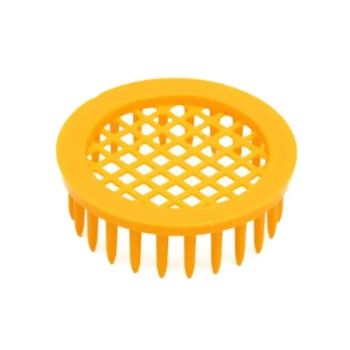
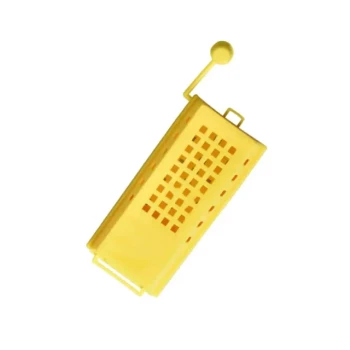
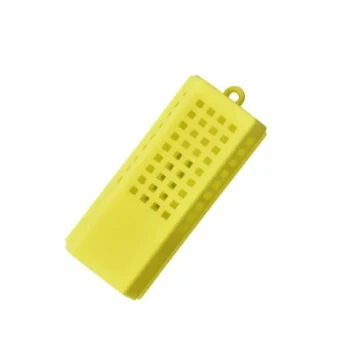
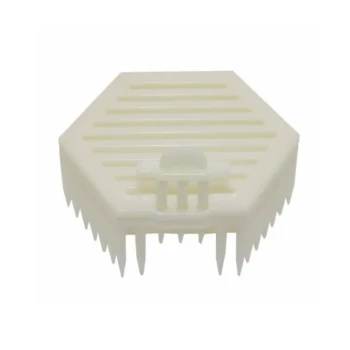
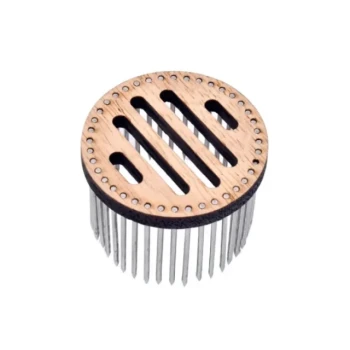
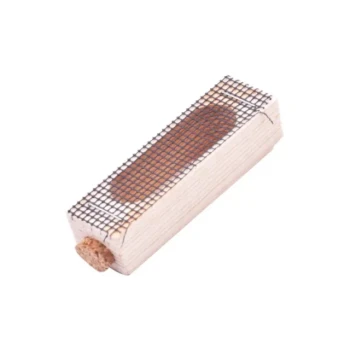
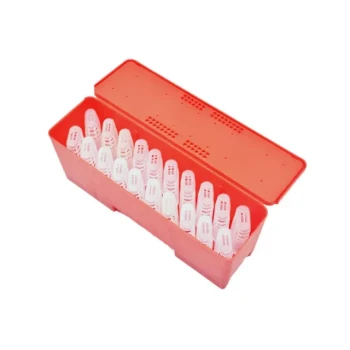
A queen cage with a candy-release mechanism functions as a timed protective vault. It provides an immediate physical barrier to shield the new queen from aggressive workers while utilizing a candy plug as a mechanical slow-release timer. As the worker bees consume the candy to release her, the delay grants the colony sufficient time to acclimate to her pheromones, significantly increasing the likelihood of acceptance.
This mechanism serves as a critical bridge between rejection and acceptance, prioritizing gradual chemical integration over immediate physical contact to ensure the colony successfully restores its reproductive capacity.
The Mechanics of Safe Introduction
Immediate Physical Protection
The primary function of the cage is to act as a physical shield. Upon introduction, a colony often views a new queen as an intruder and may attempt to ball or kill her.
The cage structure prevents direct physical contact. This ensures the queen remains unharmed during the initial hours of high tension.
The Candy as a "Biological Timer"
The candy plug is not merely food; it is a mechanical delay device. The release of the queen is dictated by the time it takes for worker bees to chew through this barrier.
This creates a "slow-release" effect. It forces the colony to interact with the cage mechanism before they can access the queen herself.
Gradual Pheromone Integration
The delay provided by the candy consumption is essential for chemical communication. A new queen needs time for her specific pheromones to permeate the hive and be accepted as the new colony scent.
By the time the workers breach the candy plug, the queen's scent has usually integrated with the colony. This transforms their reaction from aggression to acceptance.
Restoring Reproductive Capacity
The ultimate goal of this mechanism is the restoration of the colony's ability to reproduce.
By safeguarding the queen during the critical transition period, the cage ensures she survives to begin laying eggs. This quickly stabilizes the colony's population and future viability.
Understanding the Trade-offs
Dependence on Worker Activity
The success of this mechanism relies entirely on the worker bees' engagement with the candy.
If the workers are not motivated to consume the plug, the queen may remain trapped for too long, delaying egg-laying. Conversely, if the candy is consumed too rapidly, the queen may be released before her pheromones have been fully accepted, risking rejection.
Making the Right Choice for Your Goal
If your primary focus is Colony Survival: Prioritize the integrity of the physical barrier, ensuring the cage is secure so the queen is not killed before the colony acclimates.
If your primary focus is Rapid Recovery: Monitor the candy consumption closely to ensure the queen is released as soon as the "timer" is up, allowing the colony to restore its reproductive capacity without unnecessary delay.
The candy-release cage is the industry-standard safeguard because it mechanically enforces the patience required for biological success.
Summary Table:
| Feature | Function | Primary Benefit |
|---|---|---|
| Physical Barrier | Prevents immediate worker aggression | Protects queen from being "balled" |
| Candy Plug | Acts as a mechanical slow-release timer | Provides a controlled 1-3 day delay |
| Pheromone Vents | Allows colony-wide chemical scent exchange | Facilitates gradual queen acceptance |
| Integrated Feeder | Supplies nutrition to the queen and attendants | Ensures survival during the release process |
Secure Your Apiary’s Future with HONESTBEE
At HONESTBEE, we understand that successful queen introduction is the cornerstone of a thriving apiary. Whether you are managing a large-scale commercial operation or a distribution network, we provide the precision-engineered tools you need to minimize risk and maximize productivity.
Our Value to You:
- Comprehensive Wholesale Solutions: From high-quality candy-release queen cages to industrial-grade honey-filling machines.
- End-to-End Equipment: We supply everything from hive-making machinery to essential consumables for the modern beekeeper.
- Industry Expertise: We cater specifically to the needs of commercial apiaries and distributors with durable, high-performance hardware.
Don't leave your colony’s reproductive success to chance. Contact us today to explore our full spectrum of beekeeping tools and see how we can streamline your operations!
References
- Jeffery S. Pettis, Veeranan Chaimanee. Chemical and cultural control of Tropilaelaps mercedesae mites in honeybee (Apis mellifera) colonies in Northern Thailand. DOI: 10.1371/journal.pone.0188063
This article is also based on technical information from HonestBee Knowledge Base .
Related Products
- Durable Plastic Push In Queen Bee Cage
- Professional Queen Cage with Sliding Gate and Feeder Plug
- Professional Multi-Compartment Queen Cage with Sliding Lid
- Professional Multi-Functional Queen Bee Cage
- Professional Queen Bee Introduction and Transport Cage
People Also Ask
- What advantages do push-in queen cages offer? Boost Acceptance Rates for Artificially Inseminated Queens
- What is a push-in queen cage and how does it differ from a standard queen cage? Boosting Your Queen Acceptance Rates
- How can a beekeeper obtain a push-in queen cage? DIY vs. Professional Sourcing Guide
- Why are specialized queen bee cages used for the banking of mated queen bees? Maximize Commercial Apiary Storage Efficiency
- What is a push-in queen cage and how does it differ from standard cages? Achieve Higher Queen Acceptance Rates