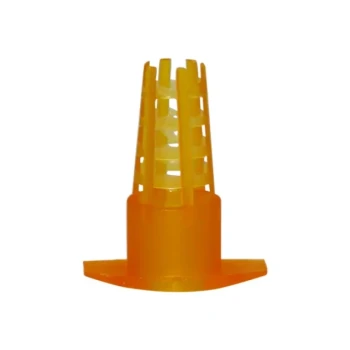
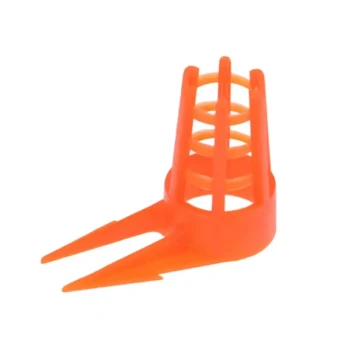
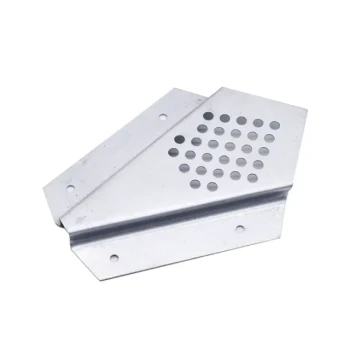
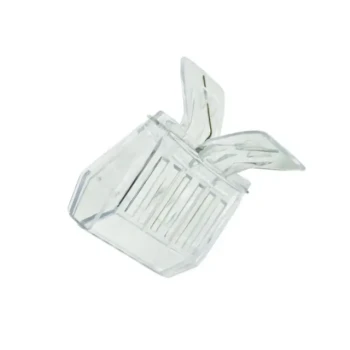
In the context of reproductive research, a queen excluder functions as a precise containment tool designed to prevent virgin queens from leaving the hive for natural mating flights. By leveraging the specific difference in thoracic thickness between castes, the device confines the queen to the experimental hive while permitting worker bees to pass through and maintain the colony's necessary social functions.
Core Insight: Unlike commercial beekeeping, where excluders separate brood from honey, reproductive research uses them to maintain genetic sterility. The device ensures a queen remains a virgin until researchers can perform controlled mating (such as artificial insemination), guaranteeing that the genetic lineage is not compromised by random drones in the wild.
The Mechanism of Action
Biological Filtering
The queen excluder operates on a simple biological principle: size dimorphism. The thorax (the middle section) of a queen bee is significantly larger and thicker than that of a worker bee.
Selective Permeability
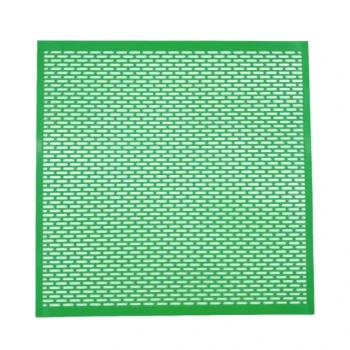
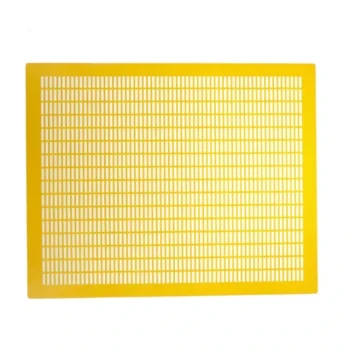
The excluder is a grid—made of metal or plastic—with gaps sized precisely to the millimeter. These gaps are large enough for worker bees to traverse freely to forage and tend to the colony.
Physical Containment
However, the gaps are too narrow for the queen to pass through. This physically blocks her from exiting the hive entrance, effectively grounding her without isolating her from the care of nurse bees.
The Research Objective: Absolute Control
Preventing Natural Mating
In a natural setting, a virgin queen will leave the hive to mate with multiple drones in the air. For researchers studying genetics or specific breeding traits, this random mating introduces uncontrolled variables.
Maintaining Virgin Status
By using a high-precision excluder, researchers ensure the queen remains a virgin. This allows them to dictate exactly when and how she is mated, often utilizing instrumental insemination to introduce specific genetic material.
Preserving Social Structure
Crucially, the excluder does not isolate the queen socially. Because workers can move freely across the barrier, they continue to feed, groom, and spread the queen's pheromones throughout the hive. This maintains colony cohesion and prevents the stress that would occur if the queen were fully isolated in a cage.
Understanding the Trade-offs
The Risk of Equipment Failure
In reproductive research, the margin for error is zero. Standard agricultural excluders may have slight manufacturing variances. If a grid is slightly too wide, a smaller virgin queen may slip through, leading to an unintended mating flight that ruins the data integrity of the experiment.
Impact on Drones
While workers can pass, drones (male bees) are also larger than workers and cannot pass through standard excluders. If drones are trapped inside the exclusion zone without an exit, it can cause congestion or stress within the hive, potentially affecting the colony's behavior during the study.
Making the Right Choice for Your Goal
When selecting an exclusion strategy, align the equipment with your specific experimental needs:
- If your primary focus is Genetic Control: Prioritize high-precision excluders specifically calibrated for research to guarantee the queen cannot escape for a mating flight.
- If your primary focus is Colony Health: Ensure the excluder allows maximum flow for worker bees to prevent congestion and maintain the social feeding loops required to keep the confined queen healthy.
The excluder is not just a barrier; it is the primary firewall that protects the genetic integrity of your research data.
Summary Table:
| Feature | Research Function | Impact on Colony |
|---|---|---|
| Biological Filter | Uses thoracic thickness to confine the queen | Workers pass freely to maintain social cohesion |
| Genetic Control | Prevents natural mating flights | Ensures sterility for artificial insemination |
| Social Stability | Allows pheromone distribution | Reduces queen stress compared to cage isolation |
| Selective Gaps | Precisely sized to block queens/drones | Prevents exit of drones, requiring careful monitoring |
Secure Your Genetic Research with HONESTBEE Precision Equipment
At HONESTBEE, we understand that in reproductive research, the margin for error is zero. As a premier provider for commercial apiaries and global distributors, we supply high-precision queen excluders and specialized beekeeping machinery designed for rigorous professional standards. Whether you are scaling a breeding program or managing a commercial honey operation, our comprehensive wholesale portfolio—from hive-making machines to essential consumables—ensures your apiary operates with maximum efficiency and data integrity.
Ready to elevate your apiary infrastructure? Contact us today to explore our wholesale tools and equipment tailored for industry experts.
References
- Sarah E. Aamidor, Benjamin P. Oldroyd. What mechanistic factors affect thelytokous parthenogenesis in Apis mellifera caponises queens?. DOI: 10.1007/s13592-019-00719-3
This article is also based on technical information from HonestBee Knowledge Base .
Related Products
- High Performance Plastic Queen Excluder for Beekeeping and Apiary Management
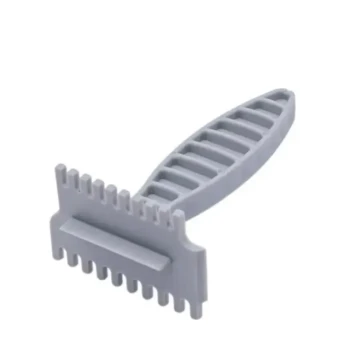
- Lightweight Durable Plastic Queen Excluder Scraper for Beekeeping
- Premium Wood Framed Metal Wire Queen Bee Excluder
- Professional Plastic Queen Excluder for Modern Beekeeping
- Metal Queen Bee Excluder for Beekeeping
People Also Ask
- What are the characteristics of a plastic queen excluder? Key Benefits for Cost-Effective Beekeeping
- What are the operational and cost advantages of using plastic queen excluders over metal or wire excluders in commercial hive management? Discover how they reduce labor, prevent wing damage, and lower total costs.
- What types of queen excluders are available for beekeepers? Choose the Right Tool for Your Hive
- Why are standardized hive frames and queen excluders essential for maintaining honey purity and quality? Scale Your Purity
- Do plastic queen excluders work? A Cost-Effective Solution for Modern Apiaries