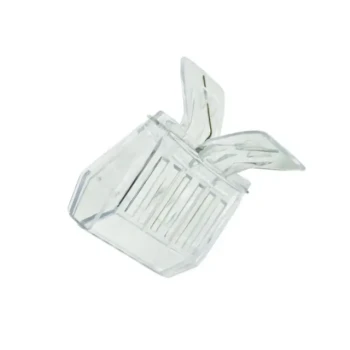
A queen excluder serves as a critical biological filter within the vertical structure of a modern beehive. Positioned directly between the brood chamber and the honey supers, its primary function is to restrict the queen's movement while allowing worker bees to pass freely. In a Precision Apiculture System, this separation is vital not only for honey purity but for the maintenance of sensitive monitoring equipment.
By physically isolating the queen in the lower brood chamber, the excluder prevents egg-laying in honey storage areas. This separation is essential for producing larva-free commercial honey and protecting precision sensors from biological contamination.
The Mechanics of Hive Separation
Strategic Placement
The excluder is inserted horizontally between the brood box (where the queen lives) and the honey supers (where honey is stored).
This creates a definitive boundary that divides the hive into a reproduction zone and a production zone.
Grid Spacing Logic
The device relies on precise grid spacing to function.
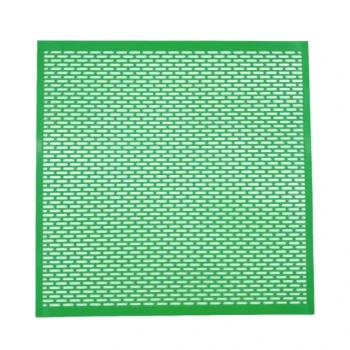
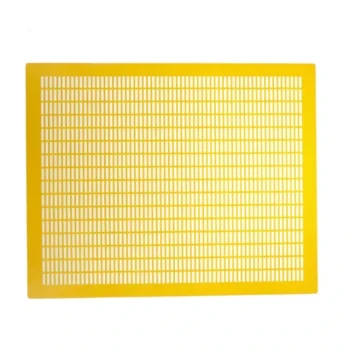
The mesh openings are calibrated to be large enough for smaller worker bees to traverse but too narrow for the larger abdomen of the queen bee.
Enhancing Commercial Honey Quality
Preventing Brood Contamination
Without restriction, a queen will naturally expand her egg-laying upward into the honey stores.
The excluder guarantees she cannot enter the supers, ensuring those frames remain dedicated solely to honey storage.
Meeting Purity Standards
For commercial operations, harvesting honey that contains larvae is unacceptable.
By keeping the supers free of brood, the excluder ensures the extracted product is pure and of high commercial quality.
The Role in Precision Apiculture
Protecting Sensor Arrays
Precision Apiculture Systems often integrate sensitive sensors within the hive structure to monitor health and productivity.
Brood rearing generates distinct biological debris and residue that can interfere with or foul these sensors.
Maintaining Equipment Hygiene
The excluder ensures that the upper sections of the hive—where sensors are often located—remain a "clean zone."
Preventing the queen from entering these areas keeps the sensor environment free of eggs and larvae, preserving the integrity of the technology.
Understanding the Trade-offs
Impact on Worker Movement
While the excluder is essential for separation, it acts as a physical barrier for the colony.
It effectively filters the queen, but it also creates a slight bottleneck for worker bees moving heavy loads of nectar into the supers.
Dependency on Correct Installation
The system fails if the excluder is damaged or placed incorrectly.
If the grid spacing is warped or if the queen is accidentally trapped above the excluder during installation, the sensors and honey will be compromised immediately.
Making the Right Choice for Your Goal
To maximize the effectiveness of a Precision Apiculture System, consider these priorities:
- If your primary focus is Commercial Quality: Install the excluder immediately before adding honey supers to guarantee zero larval contamination in your harvest.
- If your primary focus is System Longevity: Utilize the excluder to isolate sensor-heavy areas from the brood nest, significantly reducing maintenance and cleaning requirements.
The queen excluder is not just a barrier; it is an essential tool for standardizing production and protecting the technological infrastructure of the hive.
Summary Table:
| Feature | Function in Hive | Precision Apiculture Benefit |
|---|---|---|
| Physical Barrier | Restricts queen to brood chamber | Prevents larvae from fouling sensor arrays |
| Grid Spacing | Allows worker passage, blocks queen | Maintains a "clean zone" for high-tech equipment |
| Zonal Separation | Divides reproduction from production | Simplifies hive data monitoring and maintenance |
| Purity Control | Prevents egg-laying in honey supers | Ensures larva-free commercial honey and clean sensors |
Maximize Your Colony's Potential with HONESTBEE
At HONESTBEE, we understand that commercial success in modern beekeeping requires both biological precision and technological reliability. We cater to commercial apiaries and distributors worldwide with a comprehensive wholesale offering designed to streamline your operations.
Whether you need precision-calibrated queen excluders, advanced hive-making machinery, or high-capacity honey-filling systems, our portfolio covers the full spectrum of beekeeping tools and essential consumables. Partner with us to protect your precision sensors and elevate your honey production to the highest commercial standards.
Ready to scale your apiary? Contact us today to explore our wholesale solutions!
References
- Pietro Catania, Mariangela Vallone. Application of A Precision Apiculture System to Monitor Honey Daily Production. DOI: 10.3390/s20072012
This article is also based on technical information from HonestBee Knowledge Base .
Related Products
- High Performance Plastic Queen Excluder for Beekeeping and Apiary Management
- Lightweight Durable Plastic Queen Excluder Scraper for Beekeeping
- Premium Wood Framed Metal Wire Queen Bee Excluder
- Professional Plastic Queen Excluder for Modern Beekeeping
- Metal Queen Bee Excluder for Beekeeping
People Also Ask
- What are the characteristics of a plastic queen excluder? Key Benefits for Cost-Effective Beekeeping
- What are the operational and cost advantages of using plastic queen excluders over metal or wire excluders in commercial hive management? Discover how they reduce labor, prevent wing damage, and lower total costs.
- What types of queen excluders are available for beekeepers? Choose the Right Tool for Your Hive
- Why are standardized hive frames and queen excluders essential for maintaining honey purity and quality? Scale Your Purity
- Do plastic queen excluders work? A Cost-Effective Solution for Modern Apiaries