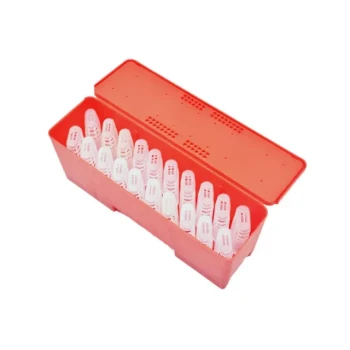
The primary function of a specialized small wooden field collection box is to enable the non-destructive collection and transport of adult worker bees from the hive to a laboratory. This portable device provides a secure, temporary enclosed space that protects individual bees from physical harm during the transfer process.
The core value of this device lies in its ability to ensure high survival rates during transport. By keeping bees alive and uninjured, it guarantees that subsequent microscopic examinations accurately reflect the true physiological activity state of the colony.
The Critical Role of Non-Destructive Collection
Preventing Physical Trauma
The structural design of the box is specifically engineered to avoid crushing or damaging the insect.
Standard collection methods can often result in physical trauma to the bee. Using this specialized box facilitates a safe transfer directly from the comb, maintaining the bee's physical integrity for analysis.
Ensuring Physiological Accuracy
The ultimate goal of pathological analysis is to understand the health of the colony.
If a bee is damaged or dies during transport, its internal systems begin to degrade, which can skew test results. By utilizing this box to maintain the bee's physiological activity state, researchers ensure that lab results are valid and representative of the living colony.
Operational Considerations
The Importance of Sample Viability
This device is not simply a container; it is a tool for sample preservation.
For tests requiring live tissue or observation of active behavior, the high survival rate provided by this box is non-negotiable. It bridges the gap between the field and the microscope without introducing variables caused by stress or injury.
Volume Limitations
As a "small" specialized device, this tool is optimized for precision sampling rather than mass collection.
It is designed to handle specific individuals or small groups of worker bees. This focus on individual care ensures the highest quality of preservation for each specimen collected.
Maximizing Data Quality in Bee Pathology
To ensure your pathological analysis yields actionable insights, consider the following regarding the collection process:
- If your primary focus is accurate physiological data: Prioritize the use of this specialized box to ensure bees arrive at the lab alive and representative of the colony's current state.
- If your primary focus is physical specimen integrity: Rely on the box’s non-destructive design to prevent trauma that could interfere with microscopic examination of external structures.
The quality of your laboratory insights is directly dependent on the survival and condition of the bees during transport.
Summary Table:
| Key Feature | Primary Benefit | Importance for Analysis |
|---|---|---|
| Non-Destructive Design | Prevents physical trauma | Ensures external structures remain intact |
| Secure Enclosure | High survival rates | Maintains real-time physiological activity |
| Precision Sampling | Optimized for small groups | Facilitates high-quality specimen preservation |
| Portable Construction | Safe field-to-lab transfer | Bridges the gap between hive and microscope |
Scale Your Apiary Operations with HONESTBEE
Are you looking to enhance your commercial apiary's efficiency or expand your distribution catalog? HONESTBEE serves commercial apiaries and distributors with premium wholesale solutions. We provide a full spectrum of beekeeping tools, industrial hive-making machinery, and honey-filling equipment, alongside essential consumables and honey-themed cultural merchandise.
Why Partner with HONESTBEE?
- Comprehensive Inventory: Access everything from precision collection tools to heavy-duty machinery.
- Wholesale Focus: Tailored offerings designed specifically for large-scale operations and distributors.
- Expert Support: Benefit from a portfolio that covers the entire honey production lifecycle.
Contact HONESTBEE Today to discover how our professional-grade equipment can drive your business growth!
References
- Desta Gemedi. Risk Factors and Symptomatic Diseases in Managed Honeybee Colonies: A Case Study from Seka Chekorsa District of Jimma Zone, Oromia, Ethiopia. DOI: 10.20431/2349-0365.0802004
This article is also based on technical information from HonestBee Knowledge Base .
Related Products
- 5 Frame Wooden Nuc Box for Beekeeping
- Wholesales Dadant Size Wooden Bee Hives for Beekeeping
- Langstroth Honey Bee Box Hive Boxes for Different Depths
- Wooden Bee Hive Frames for Beekeeping and Wholesale
- High-Performance Langstroth Bee Hives for Global Professional Beekeeping
People Also Ask
- What are the options for adding frames to a nuc after taking two frames from the parent colony?
- What frames should be moved into the queenless hive when requeening with a nuc? Ensure a Successful Queen Introduction
- What roles do five-frame nucleus boxes and ten-frame Langstroth hive boxes play in colony standardization?
- What is the primary function of five-frame nuclei boxes? Master Early Colony Establishment for Stronger Hives
- What is the typical composition of frames in a nuc? A 5-Frame Blueprint for a Thriving Hive