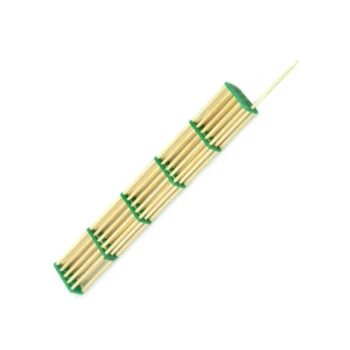
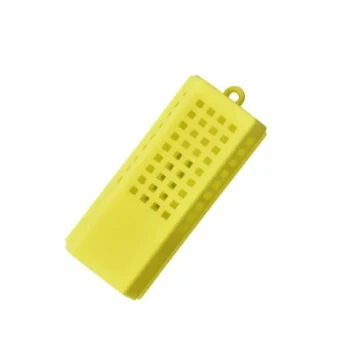
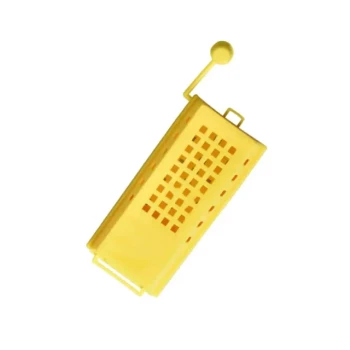
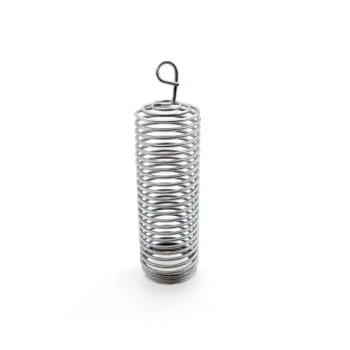
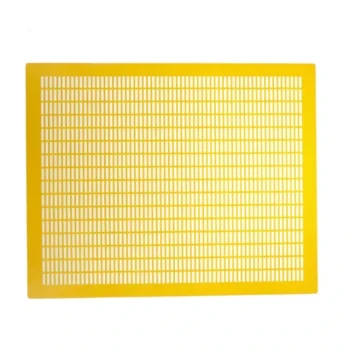
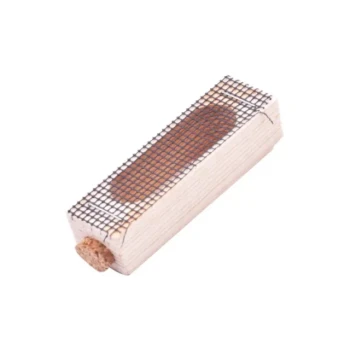
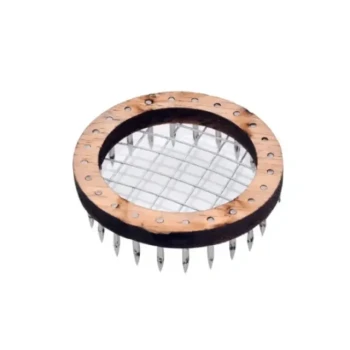
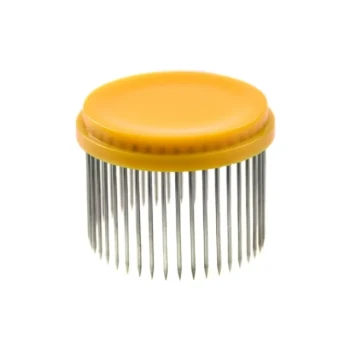
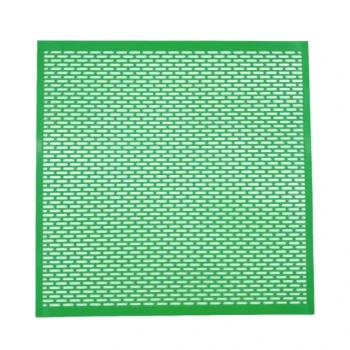
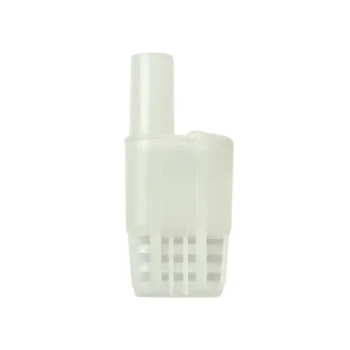
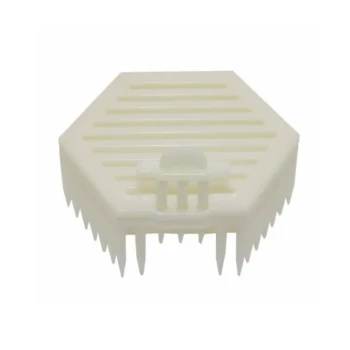
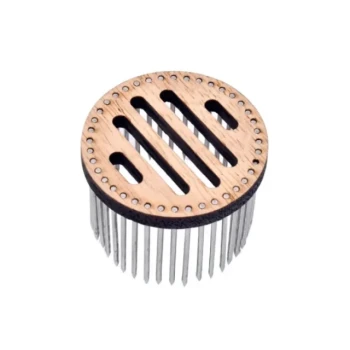
The primary function of a standard queen cage with queen excluder side walls is to physically isolate the queen to halt egg production while maintaining colony cohesion.
By restricting the queen's access to the honeycomb, the cage enforces a mandatory broodless period without severing the essential pheromonal and nutritional links between the queen and her worker bees. This allows the colony to remain stable even while reproduction is temporarily paused.
Core Insight: This tool acts as a selective barrier that separates the queen from her laying substrate (the comb) but not from her colony. It enables beekeepers to induce a controlled break in the brood cycle—critical for management interventions—while preserving the biological stability of the hive through continued worker-queen interaction.
The Mechanics of Brood Interruption
To understand the utility of this cage, you must understand how it manipulates the biological constraints of the hive inhabitants.
Physical Restriction of Egg Laying
The fundamental purpose of the cage during the interruption process is to stop the queen's reproductive activity.
The cage is designed to be placed within the hive but isolates the queen from the wax comb. Without access to empty cells, the queen is physically unable to deposit eggs, effectively pausing the brood cycle at the egg stage.
The Role of the Excluder Grid
The "excluder" side walls are the critical technical feature of the cage.
These walls utilize a precise grid spacing that differentiates based on bee size. The gaps are large enough for worker bees to pass through freely but too narrow for the larger thorax of the queen bee to exit.
Preserving Biological Stability
While the goal is to stop reproduction, total isolation of the queen would be disastrous for the colony. The cage design mitigates this risk.
Ensuring Nutritional Support
A queen bee cannot effectively feed herself; she relies on attendants for royal jelly and sustenance.
Because the worker bees can pass through the grid, they can enter the cage to feed and groom the queen. This prevents starvation and maintains the queen’s physical health during her confinement.
Pheromone Exchange and Colony Morale
The stability of a honey bee colony relies heavily on the queen's pheromones (Queen Mandibular Pheromone).
The open grid structure ensures that the queen's scent is constantly circulated throughout the hive by the visiting workers. This signals to the colony that the queen is present and viable, preventing the workers from becoming agitated or attempting to raise emergency queen cells.
Understanding the Trade-offs
While effective for brood interruption, this method introduces specific constraints that must be managed.
Biological Stress Factors
Confinement restricts the queen's natural movement and behavior.
While the workers provide care, the inability to lay eggs can be physiologically stressful for a highly productive queen. The period of interruption should be timed carefully to avoid permanent damage to the queen's laying potential.
Dependence on Worker Access
The success of this system relies entirely on the freedom of the workers.
If the cage becomes clogged or if the mesh size is incorrect (preventing worker entry), the queen is at risk of starvation or overheating. Ensuring the "excluder" aspect functions correctly is a matter of life and death for the queen.
Implementing Controlled Isolation
When utilizing a queen cage for brood interruption, success depends on aligning the tool's function with your specific management goal.
- If your primary focus is halting reproduction: Ensure the cage is positioned away from drawn comb or is fully enclosed so the queen absolutely cannot reach a cell to lay an egg.
- If your primary focus is colony stability: Verify that the cage is placed in a high-traffic area of the brood nest where nurse bees can easily access the excluder walls to feed the queen and distribute pheromones.
By balancing the restriction of the queen with the access of the workers, you turn a simple cage into a sophisticated biological control device.
Summary Table:
| Feature | Function in Brood Interruption | Biological Impact |
|---|---|---|
| Physical Isolation | Prevents queen from reaching comb | Halts egg-laying and pauses the brood cycle |
| Excluder Grids | Allows worker entry; restricts queen | Ensures queen is fed and groomed by attendants |
| Open Airflow | Facilitates pheromone circulation | Prevents colony agitation and emergency cell building |
| Strategic Placement | Positioned in high-traffic brood areas | Maintains queen health and colony-wide cohesion |
Optimize Your Apiary with Professional Tools from HONESTBEE
Precise brood management is the hallmark of a successful commercial operation. HONESTBEE specializes in supporting commercial apiaries and distributors with high-performance beekeeping equipment designed for efficiency and biological safety.
From specialized queen cages that ensure colony stability to industrial-grade honey-filling machines and hive-making hardware, we provide the full spectrum of tools you need to scale your business.
Ready to upgrade your wholesale supply? Contact us today to explore our comprehensive catalog and see how our expertise can enhance your production.
References
- Martin Gabel, Ralph Büchler. Immediate and long-term effects of induced brood interruptions on the reproductive success of Varroa destructor. DOI: 10.1007/s13592-023-00998-x
This article is also based on technical information from HonestBee Knowledge Base .
Related Products
- Professional Bamboo Queen Isolation Cage
- Professional Queen Catcher and Introduction Queen Cage
- Professional Multi-Compartment Queen Cage with Sliding Lid
- Professional Queen Cage with Sliding Gate and Feeder Plug
- Professional Multi-Functional Queen Bee Cage
People Also Ask
- Why are specialized queen bee cages used for the banking of mated queen bees? Maximize Commercial Apiary Storage Efficiency
- What is the mechanism of action for using temporary queen bee cages? Master Successful Queen Introduction
- How does the side ventilation design of a queen bee cage impact the safety of the queen during long-distance transport?
- What should you do if the queen is still in the cage and the worker bees have not accepted her? Protect Your Colony from Queen Rejection
- What technical precaution must be taken regarding the mesh or grill side of a queen bee cage? Ensure Queen Survival