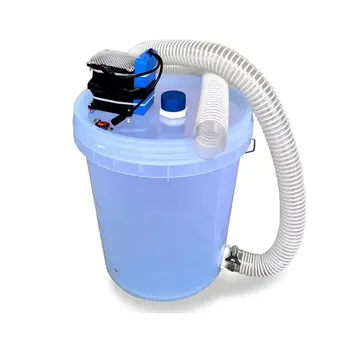
The primary function of an aspiration device is to utilize negative pressure to precisely extract adult Small Hive Beetles from the debris accumulation at the bottom of stingless bee nests. This portable tool allows for the targeted removal of specific pests without physically handling them or causing damage to the hive's delicate internal structure.
By substituting mechanical collection with precise suction, the aspiration device ensures the biological integrity of the sample remains compromised, a critical requirement for accurate downstream laboratory analysis.
The Mechanics of Extraction
Utilizing Negative Pressure
The core mechanism of the device is the generation of negative pressure.
This suction force is calibrated to be strong enough to lift the target insects—specifically adult Small Hive Beetles—but controlled enough to avoid capturing non-target debris or bees.
Targeted Debris Investigation
Beetles often hide within the refuse and debris at the bottom of the nest.
The aspiration device is designed to navigate this specific zone. It allows the operator to isolate and extract the pest directly from this debris field.
Preserving Sample Integrity
Non-Destructive Collection
Traditional mechanical methods, such as forceps or scooping, can crush or damage specimens.
The aspiration device is non-destructive. It pulls the beetle into a collection chamber without physical impact, preserving external morphological features.
Enabling Downstream Analysis
High-quality samples are the foundation of reliable data.
Because the beetles are collected intact, they are suitable for taxonomic identification. Furthermore, the lack of physical trauma preserves tissues required for laboratory pathological analysis.
Understanding the Operational Trade-offs
Precision vs. Speed
While effective, aspiration is a method focused on precision rather than mass removal.
It requires the operator to locate individual targets within the debris. It is not a bulk cleaning tool, but rather a surgical instrument for specific sample retrieval.
Hive Disturbance
A major advantage of this method is the minimization of stress on the colony.
However, the operator must still access the bottom of the nest. While the device avoids disturbing the main hive structure, the act of accessing the debris zone requires careful handling to maintain the hive's overall stability.
Making the Right Choice for Your Goal
Whether you are a field researcher or an apiary manager, the utility of this device depends on your specific objective.
- If your primary focus is Scientific Research: Prioritize this device to ensure specimens are intact for taxonomic and pathological verification in the lab.
- If your primary focus is Colony Health: Use this device to remove pests from the nest bottom without disrupting the structural integrity of the main brood or storage pots.
This tool transforms pest collection from a crude physical task into a precise scientific process.
Summary Table:
| Feature | Aspiration Device Benefit | Importance for Apiaries |
|---|---|---|
| Mechanism | Calibrated Negative Pressure | Precision removal without harming bees |
| Sample Quality | Non-Destructive Suction | Preserves morphology for lab analysis |
| Hive Impact | Minimal Structural Disturbance | Maintains colony stability and health |
| Target Area | Deep Debris Navigation | Extracts pests from hard-to-reach zones |
| Application | Targeted Extraction | Ideal for research and health monitoring |
Elevate Your Apiary Management with HONESTBEE
At HONESTBEE, we specialize in supporting commercial apiaries and professional distributors with high-performance beekeeping solutions. Whether you are conducting scientific research or managing large-scale colony health, our comprehensive wholesale portfolio has you covered. From precision pest collection tools to heavy-duty honey-filling machines and specialized hive-making hardware, we provide the industrial-grade equipment you need to succeed.
Ready to scale your operations? Contact us today to explore our full spectrum of beekeeping machinery, tools, and essential consumables tailored for the modern bee industry.
References
- Sérgio Nogueira Pereira, Érica Weinstein Teixeira. Occurrence of the small hive beetle (Aethina tumida) in Melipona rufiventris colonies in Brazil. DOI: 10.13102/sociobiology.v68i1.6021
This article is also based on technical information from HonestBee Knowledge Base .
Related Products
- Plastic Beetle Blaster Trap Beekeeping Tools and Supplies
- Full Set Beekeeping Electronic Bee Venom Collector Machine Device for Bee Venom Collecting
- Reusable Clear Small Hive Beetle Traps for Beehives Beetle Trapping Tools
- Removable Washable Hive Beetle Trap Attractants for Small Hive Beetles
- Black Plastic Beetle Barn Hive Beetle Trap for Beehives
People Also Ask
- In what situations is the use of beetle traps particularly recommended? Essential Protection for Vulnerable Bee Hives
- How should beetle traps be placed in the hive? Achieve Perfect Flush Placement for Maximum Control
- How do beetle traps like Beetle Blasters support bee colonies? Protect Your Hives from Destructive Pests
- What are the three main types of hive beetle traps? Expert Solutions for Protecting Your Bee Colonies
- What are the available chemical-free options for trapping hive beetles? Safe and Effective Pest Management Solutions