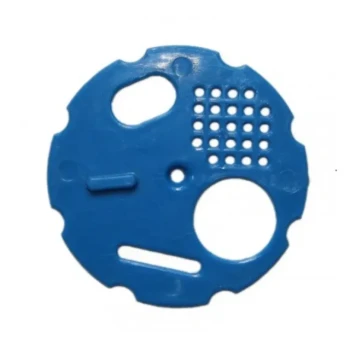
An entrance reducer is a fundamental beehive component designed to restrict the size of the hive opening, primarily to assist the colony in defending against intruders. By narrowing the access point, it allows a growing or weakened colony to concentrate its guard bees in a smaller area, effectively repelling wasps, yellow jackets, and robbing bees from other hives.
For distributors and wholesalers, the entrance reducer is a high-volume, "essential-tier" SKU that serves as a critical attachment to every hive sale and a recurring replacement item due to seasonal wear.
The Functional Role in Colony Management
Defense Against Intruders and Robbing
The primary function of an entrance reducer is to minimize the surface area that guard bees must patrol. This is especially vital for newly established or weak colonies that do not yet have the population density to defend a full-width entrance against predators or robbing bees.
Thermal Regulation and Ventilation
Beyond security, the reducer acts as a manual climate control tool. By decreasing the entrance size in winter, it helps the colony maintain internal cluster temperatures, while larger openings in summer facilitate better airflow to prevent overheating.
Pest and Rodent Prevention
Standard entrance reducers often feature notches that limit the height of the opening. This serves as a physical barrier against larger pests, such as mice, which seek the warmth and food stores of a beehive during colder months.
Market Demand and Reseller Value
A Staple in Beginner and Professional Kits
Because every new hive setup requires an entrance reducer, this product enjoys a 100% attachment rate with hive sales. For resellers, this makes it an evergreen inventory item with consistent, year-round demand.
High-Margin Accessory Potential
Due to their low manufacturing cost and small form factor, entrance reducers offer excellent profit margins. They are lightweight and stackable, which significantly reduces shipping costs and optimizes warehouse space for bulk distributors.
OEM and Private Labeling
The simple design of entrance reducers—typically made of wood, plastic, or metal—makes them ideal candidates for OEM and private labeling. Distributors can easily customize these components to match their brand’s hive aesthetic or material specifications.
Understanding the Trade-offs
Material Durability vs. Performance
Standard wooden reducers are the industry favorite due to their low cost and natural insulation. However, they are susceptible to moisture rot and can be chewed through by rodents, which creates a consistent replacement cycle for the end-user.
Metal vs. Wood Security
While wooden reducers are versatile, metal mouse guards offer superior protection against chewing pests. Distributors should offer a tiered selection, as many beekeepers prefer the durability of metal for wintering, despite the higher price point.
Size Standardization Issues
There is no universal standard for hive entrance widths across all manufacturers. To ensure customer satisfaction and repeat business, wholesalers must ensure their reducers are precisely compatible with the Langstroth dimensions prevalent in their target market.
Maximizing Profitability in Your Beekeeping Catalog
Integrating entrance reducers into your supply chain requires a focus on material variety and bulk logistics to ensure the best return on investment.
- If your primary focus is high-volume turnover: Stock standardized wooden reducers in bulk to serve as the default option for beginner kits and budget-conscious beekeepers.
- If your primary focus is premium market positioning: Offer heavy-duty metal or UV-resistant plastic reducers that emphasize long-term durability and specialized pest protection.
- If your primary focus is supply chain efficiency: Source multi-functional reducers that are reversible (offering different notch sizes), reducing the number of individual SKUs you need to manage.
Providing high-quality entrance reducers ensures your customers' colonies survive the critical growth phases, ultimately driving long-term loyalty to your equipment brand.
Summary Table:
| Feature/Function | Impact on Colony Health | Value for Distributors & Wholesalers |
|---|---|---|
| Defense & Security | Prevents robbing and predator intrusion (wasps/hornets). | High-demand "essential-tier" SKU for every hive kit. |
| Climate Regulation | Reduces heat loss in winter; manages airflow in summer. | Seasonal replacement item driving repeat purchase rates. |
| Pest Prevention | Physical barrier against rodents (mice) and large insects. | Tiered upsell potential (Standard Wood vs. Premium Metal). |
| OEM/ODM Potential | Standardized design allows for easy customization. | Ideal for private labeling to build brand loyalty. |
Scale Your Inventory with HONESTBEE’s Professional Wholesale Solutions
As a dedicated partner to commercial apiaries and B2B resellers, HONESTBEE provides the full spectrum of beekeeping tools, machinery, and essential consumables. Whether you need high-volume entrance reducers or specialized hardware like honey-filling machines, our portfolio is designed to maximize your profit margins.
Why Partner with HONESTBEE?
- Business Enablement: Competitive bulk pricing and flexible MOQs tailored for distributors.
- OEM/ODM Capabilities: Private labeling services to strengthen your own brand identity.
- Supply Chain Reliability: Consistent quality and on-time delivery for year-round stock security.
- Comprehensive Range: From hive-making hardware to honey-themed cultural merchandise.
Ready to enhance your product lineup and drive higher resale potential?
Contact our team today to request a quote!
Related Products
- Steel Round Disc Entrance Reducer for Flexzion Bee Hive Nuc Box Gate
- Beehive Entrance Reducer Guardian Metal Hive Entrance for Bees
- Beehive Entrance Discs Plastic Bee Entrance Disc for Bee Hives
- HONESTBEE Entrance Bee Feeder Professional Hive Nutrition Solution for Beekeeping
- White Plastic 0.5L Beekeeping Entrance Feeder for Bees
People Also Ask
- What is the purpose of an entrance reducer for a beehive? Strengthen Colony Defense and Prevent Robbery
- Why are entrance reducers used to counter hornet infestations? Protect Your Hive with Strategic Choke Points
- Why is it critical to maintain a smaller entrance for a newly established bee hive? Boost Colony Growth and Security
- Under what conditions should a beekeeper adjust the size of a beehive entrance? Seasonal & Defense Management Tips
- What is the function of an entrance reducer on a beehive? Strengthen Colony Defense and Climate Control