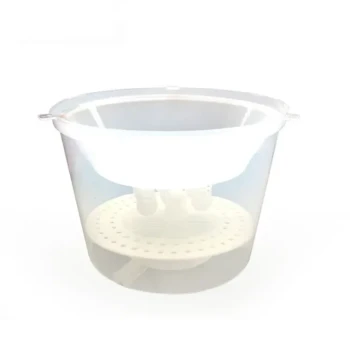
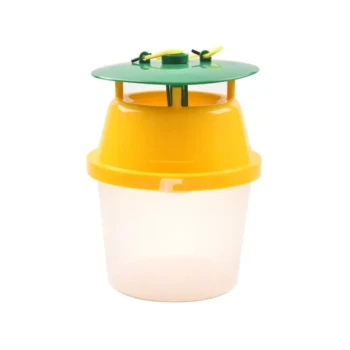
An in-hive trap functions as a specialized physical control measure designed to intercept and capture adult Small Hive Beetles (Aethina tumida) directly within the colony. It operates by exploiting the pest's natural biological imperative to seek out dark crevices and food sources, effectively sequestering them away from the honeybees. By luring beetles into containment slots, these devices reduce the adult population density and curb egg-laying opportunities without necessitating the application of chemical pesticides directly onto the comb or bees.
The core value of an in-hive trap lies in its ability to turn the beetle's survival instincts against it. By simulating a dark, scent-rich hiding spot, the trap passively lowers pest pressure while providing the beekeeper with critical data on infestation levels.
The Mechanics of Physical Control
Exploiting Natural Behavior
The Small Hive Beetle is naturally photophobic, meaning it shuns light, and it instinctively seeks out tight cracks or crevices for safety. In-hive traps are engineered to mimic these preferred hiding spots.
By presenting a secure, dark enclosure within the hive, the trap entices beetles to enter collection slots voluntarily. This passive method capitalizes on the pest’s drive for concealment rather than chasing it down.
The Role of Attractants
To increase efficacy, these traps utilize specific biological lures. A mixture simulating a complete bee colony—often comprising honey, pollen, and bee chemical scents—is placed inside the trap.
This "scent signature" signals a food and breeding source to the beetle. When combined with the trap’s structure, this olfactory lure significantly improves the capture rate compared to traps that rely solely on shelter.
Environmental Simulation
The physical design of the trap often includes a black outer casing. This serves a dual purpose: it creates the dark, concealed environment beetles crave, and it protects the internal bait.
The opaque casing blocks light that would otherwise degrade the bait materials. This ensures the attractant remains potent and the trap remains an inviting target for the photophobic beetles.
Strategic Benefits in IPM
Reduction of Reproductive Potential
The primary strategic goal of the in-hive trap is to lower the density of adult beetles. By capturing adults, you directly interrupt the reproductive cycle.
Fewer adults mean fewer eggs are laid in the comb. This proactive reduction helps prevent the population explosions that lead to colony collapse or slime-outs.
Chemical-Free Safety
In an Integrated Pest Management (IPM) context, in-hive traps offer a "soft" control method. They physically isolate the pest without exposing the honey, wax, or bees to toxic residues.
This makes them particularly valuable for organic beekeepers or during honey flow seasons where chemical treatments are restricted.
Monitoring and Assessment
Beyond control, devices like Bottom Board Traps serve as diagnostic tools. They allow beekeepers to gauge the severity of an infestation based on the number of beetles captured.
Regular monitoring of these traps reveals seasonal distribution patterns, helping beekeepers decide if or when more aggressive interventions are necessary.
Understanding the Trade-offs
Maintenance Requirements
In-hive traps are not "set and forget" devices. The biological baits (pollen and honey) can degrade, ferment, or spoil if not managed, potentially repelling beetles or attracting other pests. Regular inspection and cleaning are required to maintain the trap's efficiency.
Limitation of Scope
While effective within the hive, these traps do not address pests in processing areas.
It is important to distinguish that in-hive traps rely on darkness, whereas control in honey extraction rooms often utilizes trapping lights with specific spectral wavelengths. An in-hive trap is ineffective in a brightly lit processing room, just as a light trap is unsuitable inside a dark colony.
Making the Right Choice for Your Goal
To effectively manage Small Hive Beetles, select the tool that aligns with your immediate operational phase:
- If your primary focus is active colony protection: Prioritize in-hive crevice traps with dark casings to physically remove adults and prevent egg-laying on the comb.
- If your primary focus is assessment and diagnostics: Utilize bottom board traps to monitor population trends and determine the timing for further treatment.
- If your primary focus is facility protection: Deploy spectral trapping lights in extraction rooms and storage areas, as in-hive traps are not designed for open-air processing environments.
Success in beetle management comes from layering these physical controls to break the pest's lifecycle at multiple points.
Summary Table:
| Feature | Function & Purpose | Advantage |
|---|---|---|
| Physical Design | Dark, crevice-like slots | Mimics beetle hiding spots to trap photophobic pests |
| Biological Lure | Honey/Pollen scent signature | Attracts beetles away from the comb and brood |
| Adult Removal | Population density reduction | Curbs egg-laying and prevents colony 'slime-outs' |
| Monitoring | Infestation diagnostic tool | Provides data on pest pressure for IPM decision-making |
| Safety | Non-chemical intervention | Zero toxic residues in wax, honey, or bee populations |
Maximize Your Colony Productivity with HONESTBEE
Protecting your commercial apiary from Small Hive Beetles requires professional-grade solutions. HONESTBEE provides a comprehensive wholesale portfolio designed specifically for large-scale distributors and commercial beekeeping operations. From high-efficiency in-hive traps and specialized hardware to advanced hive-making and honey-filling machinery, we supply everything you need to scale your business.
Whether you are looking for essential consumables or honey-themed cultural merchandise to expand your brand, our team is ready to deliver global-standard equipment tailored to your needs.
Ready to elevate your beekeeping operations? Contact HONESTBEE Today for Wholesale Pricing and Support
References
- Sourabh Maheshwari. Invasion of Small Hive Beetle (Aethina tumida Murray 1867) in India: An Emerging Threat to Bee Health and Beekeeping. DOI: 10.2139/ssrn.5375174
This article is also based on technical information from HonestBee Knowledge Base .
Related Products
- Reusable Aluminium Beetle Trap for Small Hive Beetles Silver Bullet
- Removable Washable Hive Beetle Trap Attractants for Small Hive Beetles
- Black Plastic Beetle Barn Hive Beetle Trap for Beehives
- Reusable Clear Small Hive Beetle Traps for Beehives Beetle Trapping Tools
- Plastic Beetle Blaster Trap Beekeeping Tools and Supplies
People Also Ask
- How should powdered substances be used in beetle traps for hive beetle control? Expert Guide for Maximum Colony Protection
- Why are beetle traps less effective during winter? Seasonal Shifts in Pest Control Explained
- When is the best time to use small hive beetle traps in cold climates? Protect Your Honeybee Winter Stores Now
- When and how should disposable traps for small hive beetles be removed? Master Hive Hygiene and Efficiency
- How do small hive beetle traps contribute to colony management? Enhance Diagnostic Accuracy and Protect Hive Health