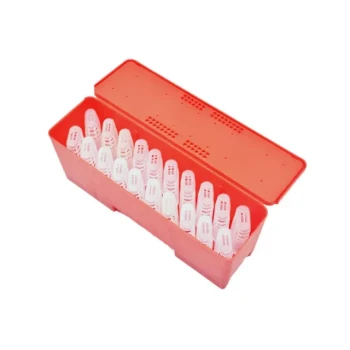
Artificial beekeeping boxes function as essential surrogate habitats for Melipona capixaba colonies that have been displaced from their natural environments. These structures are specifically designed to replicate the physical conditions of tree hollows, serving as vital infrastructure for housing colonies rescued from deforestation or agricultural clearing.
Melipona capixaba faces severe threats from habitat destruction. Artificial boxes provide a critical solution by offering a standardized, human-made nesting space that allows displaced colonies to stabilize and survive when their natural tree cavities are destroyed.
The Role of Artificial Structures in Conservation
Addressing Habitat Loss
The primary driver for using artificial boxes is the destruction of the natural environment. Land clearing and agricultural expansion frequently result in the felling of trees that house wild bee colonies.
Without intervention, the destruction of these trees equates to the destruction of the colony. The artificial box provides an immediate alternative to the lost natural habitat.
The Mechanism of Relocation
These boxes serve as the destination for "rescue" operations. When a colony is identified in a compromised or felled tree, it is physically relocated into the artificial structure.
This process transitions the bees from a vulnerable, destroyed natural site to a secure, human-managed vessel.
Engineering for Survival
Mimicking Natural Cavities
Success depends on the bees accepting the new structure. The boxes are designed to simulate the physical structure of natural tree cavities.
By replicating the geometry and protective qualities of a hollow tree, the box reduces stress on the colony and encourages rapid colonization of the new space.
Enabling Ex-Situ Conservation
Beyond immediate rescue, these boxes are the foundation of ex-situ (off-site) conservation. They transform a wild colony into one that can be managed through controlled beekeeping.
This allows conservationists to monitor colony health and population growth in a way that is impossible within natural tree hollows.
Understanding the Trade-offs
The Shift to Active Management
Unlike natural habitats, artificial boxes imply a shift toward controlled beekeeping. This requires ongoing human maintenance and infrastructure management rather than passive wilderness preservation.
Reactionary vs. Preventive
It is important to recognize that these boxes are a response to damage, not a prevention of it. They serve as a "lifeboat" for colonies losing their homes, functioning as a mitigation strategy for habitat loss rather than a tool for reforestation.
Strategic Application for Conservation
Making the Right Choice for Your Goal
- If your primary focus is Emergency Response: Deploy artificial boxes as immediate receiving vessels for colonies extracted from trees felled during land clearing.
- If your primary focus is Population Stability: Use the boxes to establish permanent, controlled apiaries that facilitate long-term ex-situ breeding and monitoring.
By converting the concept of habitat into a portable, manageable resource, artificial beekeeping boxes provide a tangible lifeline for Melipona capixaba in the face of environmental encroachment.
Summary Table:
| Function Category | Key Role for Melipona capixaba | Conservation Impact |
|---|---|---|
| Habitat Replacement | Mimics natural tree hollows for displaced colonies | Immediate survival after deforestation |
| Rescue Operations | Serves as a secure vessel for relocated bees | Transitions colonies from vulnerable to managed sites |
| Ex-Situ Management | Facilitates controlled monitoring and population growth | Enables long-term breeding and health tracking |
| Infrastructure | Provides a standardized, portable nesting environment | Mitigation strategy for agricultural clearing |
Empower Your Conservation and Commercial Beekeeping with HONESTBEE
At HONESTBEE, we understand the critical role that precision-engineered equipment plays in both species conservation and commercial success. Whether you are managing a rescue operation for Melipona capixaba or running a large-scale commercial apiary, our comprehensive wholesale solutions are designed to meet your highest standards.
Our value to your business:
- Advanced Machinery: From precision hive-making to honey-filling machines that streamline your production.
- Complete Tooling: A full spectrum of beekeeping tools and hardware built for durability and ease of use.
- Bulk Consumables: Essential supplies for distributors and large apiaries to maintain year-round operations.
- Cultural Merchandise: Unique honey-themed products to diversify your brand's market appeal.
Are you ready to scale your beekeeping operations or secure the future of your colonies? Contact us today to discuss your wholesale needs and let HONESTBEE provide the infrastructure for your success.
References
- Bruna Danielle Vieira Serra, Lúcio Antônio de Oliveira Campos. Modeling potential geographical distribution of the wild nests of Melipona capixaba Moure & Camargo, 1994 (Hymenoptera, Apidae): conserving isolated populations in mountain habitats. DOI: 10.4322/natcon.2012.027
This article is also based on technical information from HonestBee Knowledge Base .
Related Products
- Plastic Transporting Bee Packages and Nuc Boxes for Beekeeping
- Metal Bee Hive Stand Bee Box Stand for Beekeeping
- Australian Langstroth Beehive Boxes for Beekeeping Wholesales
- 5 Frame Wooden Nuc Box for Beekeeping
- High-Performance Langstroth Bee Hives for Global Professional Beekeeping
People Also Ask
- What role do bee package boxes play in the commercial transport and expansion of honeybee colonies? - Logistic Essentials
- What are beekeeping boxes called? A Guide to Hive Bodies and Box Types
- How do standardized bee packages serve as a recovery mechanism for commercial beekeeping? Ensure Business Continuity
- What is the commercial value of using standardized bee packages? Drive Scalability in Large-Scale Apiaries
- Why is the timely introduction of high-quality bee packages critical? Save Your Apiary from Asian Hornet Invasions