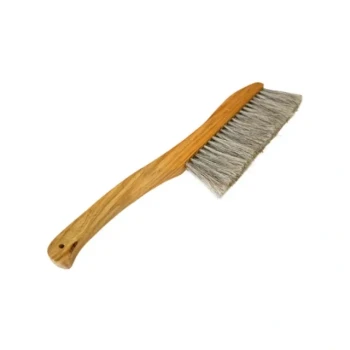
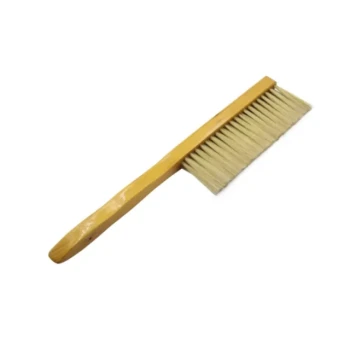
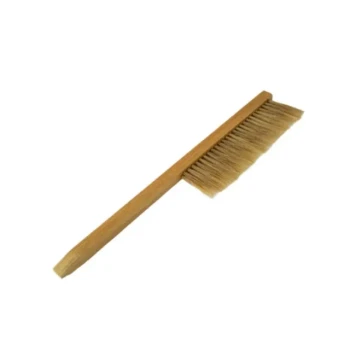
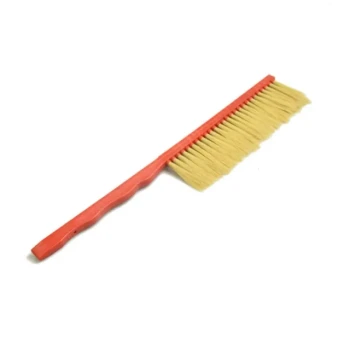
In Varroa destructor resistance bioassays, fine brushes act as specialized, non-invasive transport tools designed to preserve specimen integrity. Their primary function is to move individual mites from collection points onto testing substrates, such as filter paper or acaricide strips, without exerting physical pressure. The flexible bristles absorb the force of movement, preventing crush injuries and ensuring that every mite enters the experiment in a consistent, viable state of health.
Handling stress is a hidden variable that can invalidate toxicology data. By using fine brushes, researchers ensure that mite mortality is caused solely by the chemical agent being tested, rather than physical trauma sustained during setup.
Preserving Experimental Integrity
The Mechanics of Gentle Transport
The exoskeleton of a Varroa destructor mite is relatively fragile when subjected to point-source pressure. Hard tools, such as forceps, pose a high risk of crushing the carapace or damaging internal organs.
Fine brushes utilize flexible bristles that bend against the mite's cuticle. This flexibility allows the technician to lift and deposit the mite without compressing its body, serving as a buffer between the operator's hand and the specimen.
Establishing a Consistent Baseline
For a resistance bioassay to be valid, the starting condition of every subject must be identical. If some mites are injured during transport and others are not, the control group becomes unreliable.
Using brushes ensures that all mites begin the experiment in a consistent state of health. This standardization is crucial for isolating the variable of interest—the mite's resistance to a specific chemical—from environmental stressors.
Ensuring Data Reliability
Preventing False Mortality
In toxicology, "control mortality" (death in the untreated group) is a key quality metric. High control mortality often indicates poor handling practices.
If a mite is crushed during transport, it may die shortly after the experiment begins. This could be falsely attributed to chemical susceptibility. Fine brushes minimize this mechanical impact, drastically reducing the rate of accidental death.
Enhancing Objectivity
Reliable science requires repeatable methods. The use of fine brushes standardizes the physical interaction with the organism.
By removing the variability associated with rougher handling methods, researchers enhance the objectivity of the bioassay data. The results reflect the biological reality of the mite population, not the dexterity of the technician.
Understanding the Trade-offs
Speed vs. Precision
While fine brushes provide the highest level of safety for the specimen, they require a manual, one-by-one approach.
This process is significantly slower than bulk transfer methods. However, in resistance bioassays, the quality of the data is prioritized over the speed of setup.
Operator Technique
A fine brush is only as effective as the operator using it. While the tool reduces risk, it does not eliminate it entirely.
Technicians must still exercise care to avoid flipping mites onto their backs or brushing them too aggressively. The tool mitigates force, but proper training is still required to maintain consistency.
Making the Right Choice for Your Protocol
To ensure your bioassay results are statistically valid and reproducible, consider how your handling methods align with your experimental goals:
- If your primary focus is Data Accuracy: Prioritize the use of fine brushes for all transfers to minimize control mortality and ensure that death is strictly linked to chemical exposure.
- If your primary focus is Throughput: Recognize that while bulk methods are faster, they introduce handling bias; you may need to increase your sample size significantly to account for accidental injuries.
By treating the physical handling of the mite as a critical experimental variable, you secure the validity of your resistance data before the test even begins.
Summary Table:
| Feature | Function in Bioassays | Benefit to Research |
|---|---|---|
| Bristle Flexibility | Absorbs movement force | Prevents physical crushing of mites |
| Specimen Safety | Non-invasive transport | Minimizes control mortality rates |
| Standardization | Consistent handling method | Ensures data objectivity and repeatability |
| Stress Reduction | Eliminates handling variables | Isolates chemical resistance as the sole variable |
Elevate Your Apiary Management with HONESTBEE
At HONESTBEE, we understand that precision is the backbone of successful beekeeping, whether in the lab or the field. We cater to commercial apiaries and global distributors, providing a comprehensive wholesale range of professional-grade beekeeping tools, specialized machinery, and essential consumables.
From delicate handling tools like fine brushes to industrial-scale hive-making and honey-filling machines, our portfolio is designed to enhance your operational efficiency and data accuracy. Partner with us to access high-quality hardware and honey-themed merchandise that supports your business growth.
Ready to scale your beekeeping operations? Contact us today to explore our wholesale solutions!
References
- Carmen Sara Hernández‐Rodríguez, Joel González‐Cabrera. Large-Scale Monitoring of Resistance to Coumaphos, Amitraz, and Pyrethroids in Varroa destructor. DOI: 10.3390/insects12010027
This article is also based on technical information from HonestBee Knowledge Base .
Related Products
- Premium Triple-Row Horsehair Bee Brush
- Wooden Bee Brush with Double-Row Horsehair Bristles
- Wooden Bee Brush with Triple Row Artificial Fiber for Beekeeping
- Classic Wooden Bee Brush with Double-Row Boar Bristles
- Plastic Handle Single Row Artificial Fiber Bee Brush
People Also Ask
- What is the specific function of a bee brush? Ensure Pure Harvests and Colony Welfare During Honey Extraction
- What are the key characteristics of the bristles on a bee brush? Master Gentle and Efficient Bee Removal
- What problem does a bee brush solve? Protect Your Colony with Gentle Precision Tools
- What are the key features of a popular bee brush? Essential Design for Bee Safety and Hive Hygiene
- What is a bee brush and what is its primary use? A Gentle Tool for Hive Management