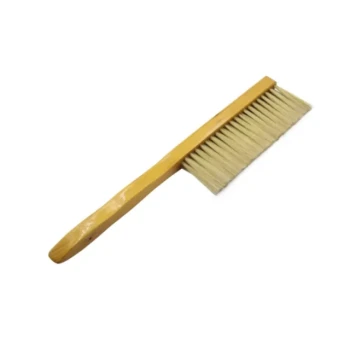
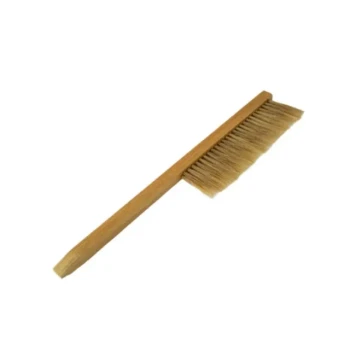
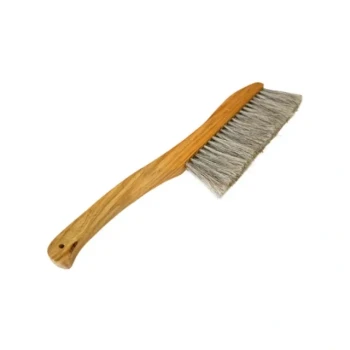
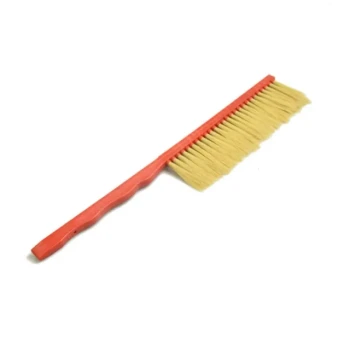
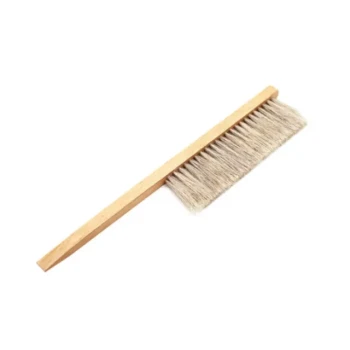
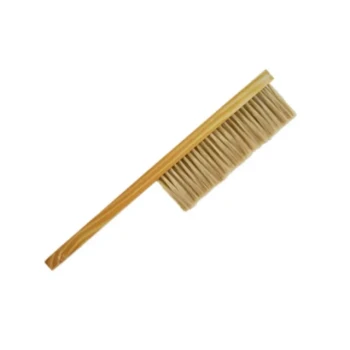
The specific function of a bee brush is to manually and gently separate bees from honeycomb frames immediately prior to the extraction process. Unlike mechanical or aerodynamic methods, the bee brush utilizes specialized soft bristles to sweep insects away without inflicting physical injury or crushing them. This tool is essential for ensuring that the harvested frames entering the processing stage are free of contaminants while preventing unnecessary agitation to the colony.
A bee brush serves as a precision tool for contamination control, ensuring the raw honey harvest remains free of biological impurities while preserving the lives of the colony’s workforce.
The Mechanics of Gentle Separation
Preventing Physical Injury
The primary design intent of a bee brush is the protection of the insect. The brush is constructed with soft, specialized bristles intended to dislodge bees without crushing them. This ensures the bees are separated from the frame without sustaining physical harm, preserving the colony's population.
Maintaining Colony Stability
Beyond individual safety, the brush is designed to prevent mass agitation. By using a soft, sweeping motion rather than sudden force, the beekeeper can clear frames without provoking a defensive response from the hive. This helps maintain a calm environment during the disruption of the harvest.
Ensuring Product Purity
Eliminating Biological Impurities
The brush plays a critical role in quality control before the frames reach the extraction room. By effectively removing clinging bees, the brush ensures that the raw material entering the extractor is free from "bee impurities," such as dead bees or insect parts.
Preparing for Extraction
Cleaning the frames is a prerequisite for the extraction machinery to function correctly. The brush ensures that only the honeycomb and the frame structure enter the processing workflow, standardizing the input for the extraction equipment.
Understanding the Trade-offs
Manual Precision vs. Speed
While the bee brush is highly effective for gentle removal, it is a manual tool requiring physical interaction with each frame. Supplementary data indicates that alternatives like bee blowers (using air) or bee mazes (passive one-way doors) exist for faster or bulk clearing.
Interaction Intensity
The bee brush requires direct contact with the bees. While designed to be gentle, it requires a steady hand to ensure it remains a non-aggressive method. In contrast, passive methods like maze boards remove bees without the beekeeper touching the frame immediately before harvest.
Making the Right Choice for Your Goal
To determine if the bee brush is the primary tool you should rely on for your harvest, consider your specific operational priorities:
- If your primary focus is product purity: The bee brush is indispensable for final quality checks to ensure absolutely no insects enter the extractor.
- If your primary focus is colony welfare: The soft bristles of the brush offer a reliable way to save individual bees from being transported away from the hive during harvest.
By mastering the gentle application of the bee brush, you protect the integrity of your final product and respect the workforce that created it.
Summary Table:
| Feature | Bee Brush Function & Benefit |
|---|---|
| Primary Use | Manual, gentle separation of bees from honeycomb frames |
| Key Component | Soft, specialized bristles to prevent insect injury |
| Product Quality | Removes biological impurities before extraction |
| Colony Impact | Minimizes agitation and preserves the workforce population |
| Ideal For | Precision cleaning and small to medium-scale operations |
Maximize Your Harvest Quality with HONESTBEE
At HONESTBEE, we understand that professional beekeeping requires the perfect balance of efficiency and care. Whether you are managing a commercial apiary or supplying the industry as a distributor, our comprehensive wholesale range is designed to meet your needs.
From high-precision beekeeping tools like specialized brushes to industrial-grade honey-filling machines and hive-making equipment, we provide everything required to scale your operations. We also offer a wide selection of essential consumables and honey-themed merchandise to help you diversify your portfolio.
Ready to elevate your beekeeping business? Our experts are here to provide tailored solutions for your equipment and supply chain needs.
References
- Metages Belete, Wolaita Sodo. The Role of Farmer’s Cooperatives in Honey Production and Marketing: The Case of Masha Woreda South- West Ethiopia. DOI: 10.7176/dcs/9-8-01
This article is also based on technical information from HonestBee Knowledge Base .
Related Products
- Wooden Bee Brush with Triple Row Artificial Fiber for Beekeeping
- Classic Wooden Bee Brush with Double-Row Boar Bristles
- Premium Triple-Row Horsehair Bee Brush
- Plastic Handle Single Row Artificial Fiber Bee Brush
- Wooden Bee Brush with Double-Row Horsehair Bristles
People Also Ask
- What are the key characteristics of the bristles on a bee brush? Master Gentle and Efficient Bee Removal
- What is the purpose of using a bee brush during the inspection of hive components? Safe & Precise Hive Management
- What problem does a bee brush solve? Protect Your Colony with Gentle Precision Tools
- Why is a bee brush necessary when extracting honeybee hive frames that contain larvae? Protect Your Brood and Colony
- What is the correct way to use a bee brush and what actions should be avoided? Master Gentle Hive Management