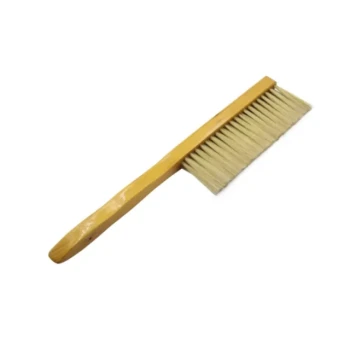
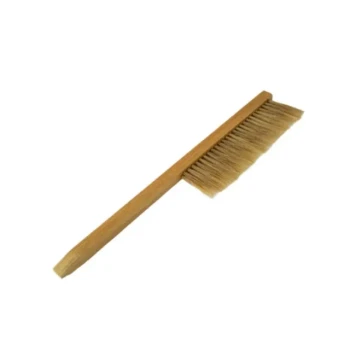
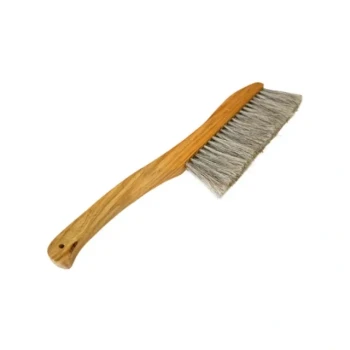
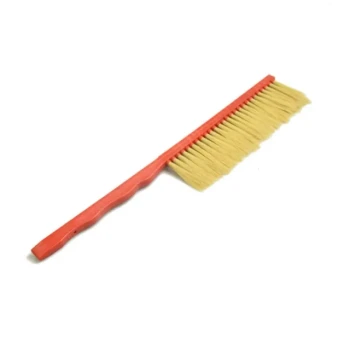
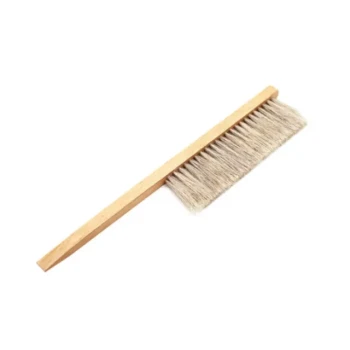
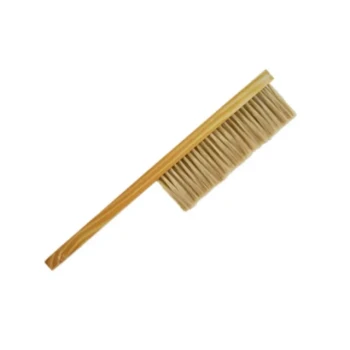
The defining characteristic of bee brush bristles is a precise balance between firmness and flexibility. They are engineered to be stiff enough to effectively sweep bees off a honeycomb frame, yet soft enough to ensure the insects are not crushed, injured, or killed during the process.
The ideal bee brush acts as a gentle displacement tool rather than a rigid scraper. Its bristles must navigate the delicate line of applying enough force to move a bee while remaining yielding enough to prevent physical trauma.
The Critical Balance of Stiffness and Softness
The primary challenge in designing these bristles is addressing two opposing requirements: removal force and insect safety.
Sufficient Stiffness for Efficiency
Bees often hold tightly to the comb or frame. The bristles must possess enough structural integrity to break this grip.
Without a certain degree of stiffness, the brush would merely pass over the bees without dislodging them, rendering the tool ineffective.
Essential Softness for Safety
While moving the bees is necessary, the safety of the colony is paramount.
The bristles must be soft enough to bend upon contact with the bee's body. This flexibility prevents injury or death, even when dislodging bees that are stubborn or difficult to move.
Material and Design Considerations
Beyond the mechanical stiffness, the specific materials and physical dimensions of the bristles play a vital role in their function.
The Advantage of Natural Horsehair
Many high-quality bee brushes utilize natural horsehair for their bristles.
Horsehair offers a distinct advantage by preventing the buildup of static electricity. Static can agitate bees or cause them to stick to the brush, which defeats the purpose of gentle removal.
Cleanliness and Maintenance
The texture of the bristles affects how much hive debris accumulates during use.
Horsehair bristles tend to collect less honey and propolis (bee glue). This keeps the brush cleaner for longer periods and prevents it from becoming a sticky hazard to the bees.
Length and Reach
Bee brushes typically feature long bristles.
This length contributes to the overall softness and flexibility of the tool, allowing for a sweeping motion that displaces bees with minimal impact.
Understanding the Trade-offs
When selecting or using a bee brush, it is crucial to recognize that the tool is a compromise between force and gentleness.
The Risk of Static Buildup
If you choose bristles that are not designed to resist static (unlike natural horsehair), you risk agitating the colony. Static shocks or magnetic-like attraction can make the bees aggressive or harder to handle.
The "Too Soft" vs. "Too Hard" Problem
A brush that is too soft will fail to move the bees, frustrating the beekeeper. Conversely, a brush that is too stiff acts as a weapon, potentially crushing bees against the comb and releasing alarm pheromones.
Making the Right Choice for Your Goal
The bristles you choose should align with your priority of maintaining a calm, healthy hive.
- If your primary focus is Bee Safety: Prioritize a brush with natural horsehair bristles to eliminate static shocks and ensure maximum gentleness.
- If your primary focus is Tool Maintenance: Select bristles known for collecting less propolis and honey to prevent the tool from becoming sticky and unmanageable.
The right bristles transform a potentially chaotic task into a smooth, non-intrusive routine that respects the wellbeing of the hive.
Summary Table:
| Feature | Characteristic | Benefit for Beekeeping |
|---|---|---|
| Bristle Texture | Firm yet flexible | Effectively sweeps bees without crushing or injuring them. |
| Material | Natural Horsehair | Prevents static buildup and reduces bee agitation. |
| Maintenance | Low Adhesion | Resists honey and propolis buildup, keeping the tool clean. |
| Length | Extended Bristles | Enhances sweeping motion and adds to the tool's flexibility. |
| Function | Gentle Displacement | Acts as a non-intrusive tool rather than a rigid scraper. |
Elevate Your Beekeeping Standards with HONESTBEE
As a professional distributor or commercial apiary manager, you know that the right tools define your efficiency. HONESTBEE specializes in high-quality wholesale beekeeping solutions, providing everything from specialized hardware like hive-making and honey-filling machines to essential consumables like our premium bee brushes.
Our products are engineered to protect your colony's health while streamlining your operations. Partner with us to access a comprehensive portfolio of tools and honey-themed cultural merchandise tailored for industry leaders.
Ready to upgrade your inventory? Contact us today to discuss wholesale opportunities!
Related Products
- Wooden Bee Brush with Triple Row Artificial Fiber for Beekeeping
- Classic Wooden Bee Brush with Double-Row Boar Bristles
- Premium Triple-Row Horsehair Bee Brush
- Plastic Handle Single Row Artificial Fiber Bee Brush
- Wooden Bee Brush with Double-Row Horsehair Bristles
People Also Ask
- What is the specific function of a bee brush? Ensure Pure Harvests and Colony Welfare During Honey Extraction
- What is the purpose of using a bee brush during the inspection of hive components? Safe & Precise Hive Management
- What problem does a bee brush solve? Protect Your Colony with Gentle Precision Tools
- Why is a bee brush necessary when extracting honeybee hive frames that contain larvae? Protect Your Brood and Colony
- What is the correct way to use a bee brush and what actions should be avoided? Master Gentle Hive Management