The primary function of the grooves in the top and bottom bars of a beehive frame is to securely channel and hold the sheet of foundation in place. This creates a rigid, centered plane upon which honeybees can build their honeycomb. However, if you are not using a full sheet of foundation, this groove serves a secondary purpose as an attachment point for starter strips or a gripping surface to guide natural comb construction.
While the groove is engineered to lock plastic or wax foundation sheets into the frame, it is also frequently adapted in "foundationless" beekeeping to hold starter strips that ensure bees build straight, centered comb.
The Role of the Groove in Hive Mechanics
Securing the Foundation
In a standard configuration, the beehive frame houses a sheet of foundation made of plastic or beeswax. This sheet is embossed with hexagonal patterns to guide the bees’ work.
The grooves in the top and bottom bars act as a track. They sandwich the foundation sheet, keeping it straight and preventing it from warping or buckling under the weight of the bees and the comb.
Establishing the "Living Area"
The frame and foundation unit defines the colony's living space. By securing the foundation within these grooves, you provide a stable structure where bees raise brood and store food.
Without the grooves to hold the foundation taut, the heavy comb could detach or deform, potentially injuring the brood or disrupting the colony organization.
Assisting Foundationless Setups
For beekeepers who prefer not to use full sheets of foundation, the groove shifts from a structural clamp to a critical guide.
In these setups, the groove is often used to hold a "starter strip"—a thin piece of wax or wood. This strip acts as a visual and tactile cue, forcing the bees to start building their comb in the center of the frame rather than across it.
Why Guidance is Essential
Preventing Cross-Comb
Bees require a specific starting point to begin their construction. Without a guide, they may build "cross-comb," connecting multiple frames together, which makes hive inspections impossible without destroying the comb.
Enhancing Grip
Even if you do not insert a starter strip, the texture of the groove offers a benefit.
As noted in technical recommendations, if a groove is absent, it is advisable to cut a line into the wood. This rough edge or void helps the bees grip the frame, encouraging them to attach their wax along that specific line.
Understanding the Trade-offs
Unused Grooves and Hygiene
If you use a grooved frame but choose not to install foundation or a starter strip, you are leaving a small, empty channel in the wood.
This empty space can become a hiding place for hive pests, such as small hive beetles or wax moth larvae. It allows them to evade the bees who are trying to remove them.
Structural Rigidity vs. Natural Comb
Using the groove with a full foundation provides the highest level of structural integrity, allowing you to spin frames in an extractor at high speeds.
Foregoing the foundation (and potentially the groove) allows for natural wax production but results in a more fragile comb that requires careful handling.
Making the Right Choice for Your Goal
When selecting frames or preparing your equipment, the decision to use grooves depends on your management style.
- If your primary focus is maximum stability and honey production: Use grooved top and bottom bars to securely lock in plastic or wax foundation sheets.
- If your primary focus is foundationless or natural beekeeping: Use the groove to insert a narrow starter strip to ensure the bees build straight, manageable comb.
- If your primary focus is custom woodworking or simplicity: You may skip the groove entirely, but you must scratch or cut a guide line into the top bar to center the bees' work.
The groove is ultimately a control mechanism, ensuring that the bees' natural instinct to build aligns with your need to manage the hive.
Summary Table:
| Feature | Function with Foundation | Function in Foundationless Beekeeping |
|---|---|---|
| Top Bar Groove | Secures the top edge of foundation sheets; prevents warping. | Holds wax/wood starter strips to guide straight comb construction. |
| Bottom Bar Groove | Locks the bottom edge of foundation; provides structural rigidity. | Provides a tactile grip for bees to attach comb at the center line. |
| Structural Benefit | Maximizes stability for high-speed honey extraction. | Reduces the risk of comb detachment while allowing natural wax. |
| Pest Control | Filled by foundation, leaving no room for pests. | Potential hiding spot for beetles/moths if left empty. |
Maximize Your Apiary Productivity with HONESTBEE
At HONESTBEE, we specialize in empowering commercial apiaries and beekeeping distributors with the high-quality tools required for professional-scale operations. From precision-engineered hive-making and honey-filling machinery to a comprehensive range of wholesale beekeeping tools and consumables, we provide the structural foundation your business needs to thrive.
Whether you are scaling your honey production or supplying the next generation of beekeepers, our hardware ensures durability and efficiency in every hive. Ready to upgrade your equipment?
Contact HONESTBEE Today to discuss our wholesale offerings and customized machinery solutions.
Related Products
- Precision Stainless Steel Frame Cleaner for Hive Grooves and Corners
- Wooden Bee Hive Frames for Beekeeping and Wholesale
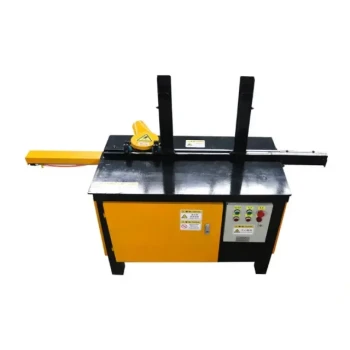
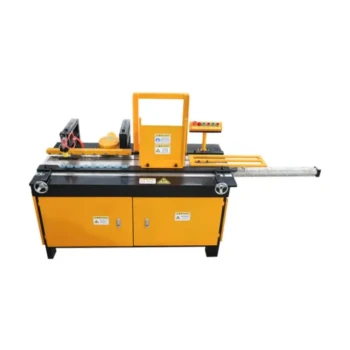
- HONESTBEE Bee Frame Grooving Machine | Precision Slotting for Bee Frame Making
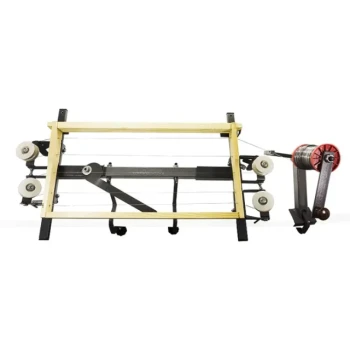
- HONESTBEE Professional Frame Wiring Board and Jig
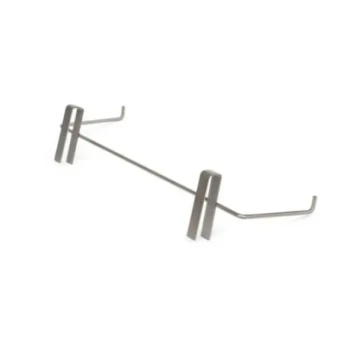
- Professional Galvanized Steel Frame Rest for Beehives
People Also Ask
- What tools are recommended for cleaning hive frames? Top 4 Essential Maintenance Tools for Beekeepers
- What is the function of a professional stainless steel hive tool in IFB? Optimize Your Colony Strength Assessment
- What are the primary functions of a stainless steel hive tool? Essential Equipment for Professional Beekeeping
- Which technical challenges in hive maintenance are addressed by using a professional stainless steel hive tool?
- What are the primary functions of a stainless steel hive tool? Essential Tips for Efficient Apiary Maintenance