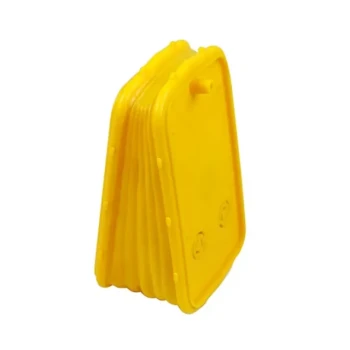
High-density plastic insulation materials serve primarily as a specialized thermal barrier. These components, often utilizing 10mm thick insulation boards, physically separate the hive's internal environment from external conditions. Their fundamental function is to drastically reduce the conduction of external heat into the hive body.
Core Insight: By buffering the colony against extreme temperature fluctuations, high-density insulation stabilizes the internal micro-environment. This thermal stability is a decisive factor in maintaining honeybee survival rates and productivity, particularly in hot, arid regions.
The Physics of Hive Stabilization
Creating a Thermal Break
The primary engineering goal of high-density plastic insulation is to interrupt heat transfer. In standard hive designs, external heat is easily conducted through the walls, raising the internal temperature.
High-density insulation acts as a shield. By installing materials such as specialized 10mm boards, you create a layer of resistance that prevents environmental heat from penetrating the hive structure.
Buffering Temperature Fluctuations
Beyond simply blocking heat, these materials act as a buffer against volatility. Environmental temperatures can swing wildly, especially in arid climates.
Without insulation, these fluctuations are transferred directly to the colony. Insulation dampens these spikes, ensuring the internal temperature changes slowly and remains within a manageable range for the bees.
Impact on Colony Health
Preserving the Micro-Environment
Bees expend significant energy regulating their hive's temperature and humidity. When the external load is too high, the colony becomes stressed.
High-density insulation maintains the stability of this internal micro-environment. This allows the colony to focus energy on foraging and brood rearing rather than emergency thermoregulation.
Ensuring Productivity and Survival
The ultimate function of this structural modification is biological support. In harsh, hot environments, thermal stress is a leading cause of colony collapse or low yield.
By mechanically reducing heat conduction, these materials directly contribute to higher survival rates and sustained honey productivity despite hostile external conditions.
Distinguishing Insulation from General Coverings
It is critical to distinguish between insulation and general protective coverings, as their functions differ.
Insulation vs. Physical Barriers
While high-density plastic insulation manages thermodynamics, other modifications like metal or simple plastic coverings serve as physical barriers.
According to broader structural principles, general coverings are designed to protect against heavy rainfall, predators, and pathogen transmission. However, unless they are specifically comprised of high-density insulating material, they do not provide the same level of thermal regulation as the 10mm insulation boards.
Making the Right Choice for Your Goal
When modifying beehive structures, you must select materials based on the specific environmental threat you are mitigating.
- If your primary focus is Thermal Regulation: Prioritize high-density plastic insulation boards (approx. 10mm) to block heat conduction and stabilize the micro-environment in hot climates.
- If your primary focus is Physical Security: Utilize metal or plastic coverings to prevent water ingress, predator attacks, and pathogen transmission routes.
Effective hive modification relies on understanding that insulation is a tool for temperature management, while coverings are tools for physical protection.
Summary Table:
| Feature | High-Density Insulation (e.g., 10mm Board) | Standard Physical Coverings |
|---|---|---|
| Primary Function | Thermal barrier and heat conduction reduction | Protection against rain, predators, and pathogens |
| Material Core | High-density plastic insulation materials | Metal or standard plastic sheets |
| Impact on Hive | Stabilizes internal micro-environment | Provides physical security and dry interior |
| Target Climate | Hot, arid, or volatile temperature regions | General environments requiring weather protection |
| Key Benefit | Higher survival rates and productivity | Reduced physical damage and disease transmission |
Maximize Your Colony Productivity with HONESTBEE Solutions
Are you looking to protect your honeybee colonies from extreme environmental stress? HONESTBEE provides professional-grade beekeeping equipment and high-performance machinery tailored for commercial apiaries and global distributors. From thermal-efficient hive components to advanced honey-filling machines, our comprehensive wholesale portfolio is designed to enhance your operational efficiency and yield.
Partner with HONESTBEE to access:
- Specialized hardware and hive-making machinery.
- High-quality industry consumables for large-scale beekeeping.
- Expert-curated tools that ensure colony survival in harsh climates.
Contact HONESTBEE Today to discover how our premium equipment can scale your beekeeping business.
References
- Hossam F. Abou‐Shaara, Abdelsalam A. Mohamed. Honey bee colonies performance enhance by newly modified beehives. DOI: 10.2478/jas-2013-0016
This article is also based on technical information from HonestBee Knowledge Base .
Related Products
- Professional Insulated Plastic Bee Hives
- Langstroth Solid Bottom Board for Beekeeping
- Efficient Hive Clearing: HONESTBEE 8-Way Plastic Bee Escape
- Professional Insulated Winter Hive Wrap for Beekeeping
- Durable Plastic Interlocking Hive Connector for Beekeeping
People Also Ask
- What are the advantages of plastic bee hives? Boost Efficiency & Durability for Your Apiary
- Are plastic bee hives any good? Unlock Durability & Efficiency for Your Apiary
- How do plastic bee hives compare to wooden hives in handling? Reduce Strain & Boost Efficiency
- Are plastic bee hives good? Durable, Low-Maintenance Hives for Modern Apiaries
- What are the disadvantages of plastic beehives? Key Operational and Environmental Risks Exposed