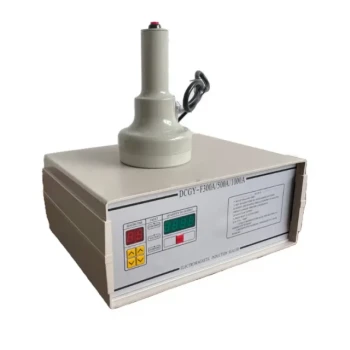
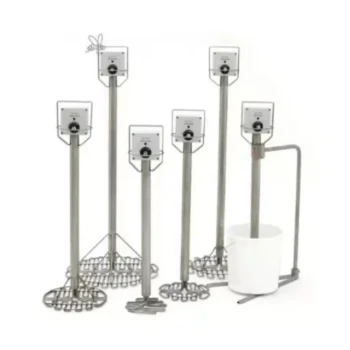
Industrial temperature control acts as a critical preservation shield. Its primary function is to maintain precise temperature and humidity levels during the storage of sensitive bee products. This regulation directly inhibits the chemical and biological degradation of components like royal jelly, ensuring they remain stable regardless of fluctuating external climates.
Beekeeping products are biologically sensitive and vulnerable to environmental variations. Industrial control equipment mitigates this risk by stabilizing storage environments, thereby preserving nutritional integrity and securing the producer's economic investment.
The Mechanics of Preservation
Precise Environmental Regulation
Industrial equipment provides the ability to set and maintain exact atmospheric parameters. By controlling both temperature and humidity, the machinery creates a stable micro-climate that is isolated from the external environment. This consistency is essential for preventing the physical deterioration of the product.
Inhibiting Component Degradation
Biological materials harvested from hives naturally break down over time. Temperature control systems function to significantly slow or halt this process. By keeping the environment stable, the equipment inhibits the degradation of the product's active biological components.
Protecting Sensitive Materials
Certain hive products, particularly royal jelly, are exceptionally sensitive to heat and moisture changes. Standard storage methods are often insufficient to protect these delicate materials. Industrial-grade solutions provide the rigorous control necessary to keep these specific, high-value items viable.
Economic and Nutritional Implications
Maintaining Nutritional Integrity
The value of beekeeping products lies in their nutritional content. Environmental fluctuations can destroy the vitamins, enzymes, and proteins that make these products valuable. Temperature control ensures that the high-value nutritional content remains intact from harvest to sale.
Safeguarding Economic Returns
For producers, product quality is directly tied to revenue. If products degrade, they lose market value or become unsellable. By preventing spoilage and maintaining quality, this equipment protects the economic returns of beekeeping operations.
Understanding the Trade-offs
Equipment Dependency
While these systems offer protection, they create a reliance on mechanical reliability. A failure in the power supply or the cooling mechanism can lead to rapid spoilage. Producers must account for redundancy or backup power to mitigate this risk.
Operational Costs vs. Value Preservation
Implementing industrial temperature control increases the overhead costs of production. However, this cost must be weighed against the potential loss of high-value stock like royal jelly. The equipment represents an upfront investment to prevent future financial loss.
Making the Right Choice for Your Goal
To maximize the utility of temperature control in your beekeeping operation, consider your specific objectives:
- If your primary focus is Product Quality: Prioritize equipment with the finest tolerance for temperature fluctuation to protect sensitive enzymes in royal jelly.
- If your primary focus is Economic Stability: View this equipment as an insurance policy that prevents total inventory loss during extreme weather events.
Invest in precise environmental control to transform your storage from a passive holding area into an active preservation system.
Summary Table:
| Feature | Function in Beekeeping | Economic & Quality Impact |
|---|---|---|
| Precise Temp Regulation | Maintains a stable micro-climate for sensitive materials. | Prevents physical deterioration and spoilage. |
| Humidity Control | Isolates products from external moisture variations. | Protects high-value items like royal jelly. |
| Degradation Inhibition | Slows chemical and biological breakdown of components. | Preserves vitamins, enzymes, and proteins. |
| Storage Stabilization | Acts as an active preservation shield vs. passive storage. | Safeguards investment and ensures market value. |
Maximize Your Harvest Quality with HONESTBEE
For commercial apiaries and distributors, maintaining the nutritional integrity of beekeeping products is the difference between profit and loss. HONESTBEE specializes in providing the comprehensive infrastructure needed to protect your investment. From precision honey-filling machines and industrial-grade storage solutions to a full spectrum of hive-making equipment and essential consumables, we empower your operation with the tools to withstand environmental changes.
Whether you are scaling a professional apiary or seeking a reliable wholesale partner for honey-themed cultural merchandise and hardware, our expertise ensures your economic returns stay protected. Secure your production standards today—contact HONESTBEE to explore our wholesale solutions!
References
- Josueth Meza, Paúl Mejía-Erazo. La influencia de la apicultura al crecimiento económico multisectorial. DOI: 10.60100/bciv.v3i3.122
This article is also based on technical information from HonestBee Knowledge Base .
Related Products
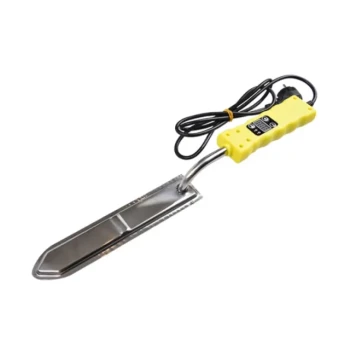
- Electric Hot Honey Uncapping Knife with Thermostat
- Professional Electric Honey Uncapping Knife with Heated Digital Temperature Control for Beekeeping
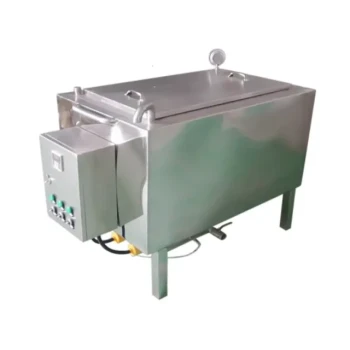
- Professional Thermostatic Conical Honey Melter
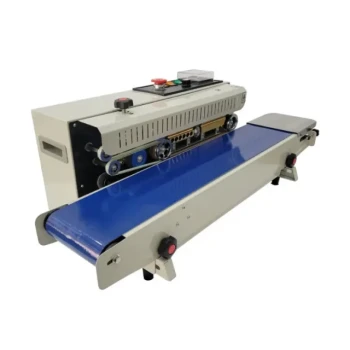
- Automatic Continuous Heat Sealing Machine
- HONESTBEE AC Powered Wire Embedder with Alligator Clips
People Also Ask
- What are the drawbacks of using an electric knife for uncapping honey frames? Cost and Power Constraints Explained
- How should an electric uncapping knife be utilized? Master Efficient Honey Extraction with Heated Precision
- What is an electric uncapping knife and how is it used? Master Faster Honey Extraction with Heat
- What are the advantages and disadvantages of using an electric knife for uncapping honey frames? Boost Extraction Speed
- What are the benefits of using electric heated uncapping knives or automatic uncapping machines? Maximize Honey Yields