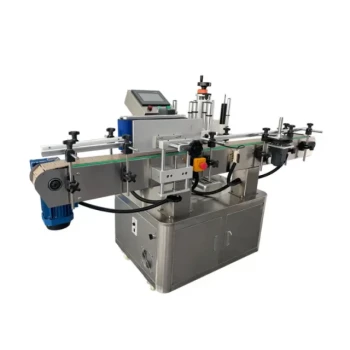
The primary function of a semi-automatic heat shrink packaging machine in a glass jar reuse facility is to securely bundle groups of jars using heat-sensitive PET film. By applying precise temperature controls, these machines shrink the film tightly around the containers to create stable, transport-ready units. This process automates the critical secondary packaging phase, ensuring consistency that manual wrapping cannot achieve.
These machines serve as the bridge between processing and logistics, transforming loose, fragile inventory into durable, impact-resistant bundles to minimize breakage during distribution.
Enhancing Operational Efficiency
Streamlining Secondary Packaging
In a high-volume reuse facility, moving individual jars is inefficient and risky. Semi-automatic machines accelerate the secondary packaging process by treating multiple jars as a single unit.
This reduces the time required to prepare stock for storage or shipment. It allows the facility to maintain a higher throughput compared to manual packing methods.
Precision Temperature Control
The effectiveness of the packaging relies on the machine's ability to maintain precise temperatures.
These machines regulate heat to ensure the PET film shrinks uniformly without melting or adhering to the glass. This consistency is vital for maintaining a professional appearance and ensuring the wrap is tight enough to hold the weight of glass containers.
Ensuring Product Integrity
Stabilizing Heavy Loads
Glass jars are heavy and prone to shifting. The heat shrink process creates high structural integrity within the bundle.
The tight film acts as a binding agent, preventing individual jars from vibrating against one another. This stabilization is critical for maintaining load balance on pallets during forklift movement.
Mitigating Distribution Impact
The ultimate goal of this equipment is to prevent loss. The film layer provides a barrier that helps prevent glass jars from breaking due to impact.
During distribution, shocks and bumps are inevitable. A properly shrunk bundle absorbs minor impacts and keeps the jars rigid, significantly lowering the breakage rate compared to loose-packed items.
Understanding the Trade-offs
Operational Interaction
Because these machines are semi-automatic, they require human intervention. An operator is typically needed to load the jars or activate the shrink cycle.
While more efficient than manual wrapping, this is less efficient than fully automatic lines. It introduces a potential bottleneck if the operator cannot keep pace with the upstream jar processing.
Material Dependency
These machines rely heavily on the quality of the PET film.
Incorrect film thickness or poor quality material can lead to "dog ears" (unshrunk corners) or tearing. The machine's precision is only as effective as the material it is processing.
Optimizing Your Packaging Line
To get the most out of this equipment, you must match the machine's capabilities to your facility's specific constraints.
- If your primary focus is reducing product loss: Prioritize machines with advanced tension control to ensure jars are immobilized without being crushed.
- If your primary focus is operational speed: Ensure the machine's cycle time and heating speed align with your operator's ability to load the staging area.
Correctly implemented, semi-automatic heat shrink technology converts a fragility risk into a logistical asset.
Summary Table:
| Key Function | Operational Benefit | Material Focus |
|---|---|---|
| Secondary Packaging | Accelerates throughput and unitizes loose inventory | High-quality PET Film |
| Temperature Control | Ensures uniform shrink without damaging glass | Precision Heat Regulation |
| Structural Integrity | Stabilizes heavy loads for safe forklift transport | Impact Resistance |
| Impact Mitigation | Minimizes breakage during distribution shocks | Tension Management |
Maximize Your Beekeeping Efficiency with HONESTBEE
At HONESTBEE, we specialize in empowering commercial apiaries and distributors with high-performance tools and machinery. Whether you are packaging honey jars or scaling up your operations, our comprehensive wholesale offering includes everything from honey-filling machines to specialized hive-making hardware and essential industry consumables.
Don't let inefficient packaging or equipment bottlenecks slow your growth. Our experts are ready to provide the specialized hardware and cultural merchandise you need to thrive.
Contact HONESTBEE Today to Optimize Your Supply Chain
References
- Leonardo Postacchini, Filippo Emanuele Ciarapica. Reuse of honey jars for healthier bees: Developing a sustainable honey jars supply chain through the use of LCA. DOI: 10.1016/j.jclepro.2017.12.240
This article is also based on technical information from HonestBee Knowledge Base .
Related Products
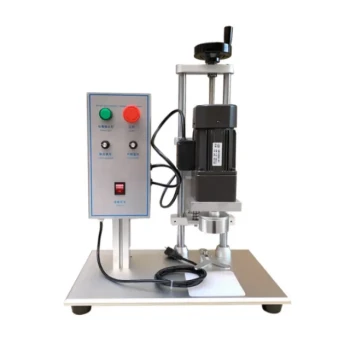
- Semi Automatic Electric Bottle Capping Machine
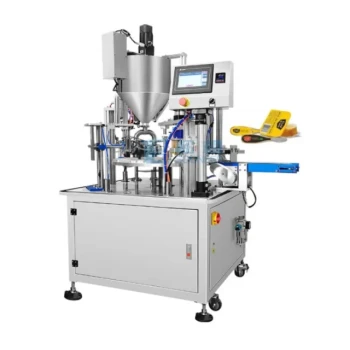
- Precision Automated Packaging Turntable Honey Spoon Filling Sealing Packing Machine
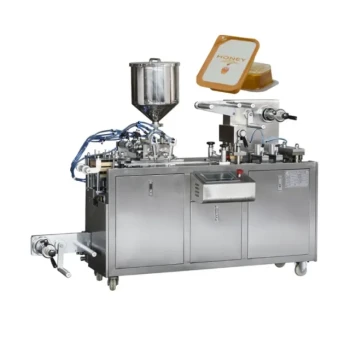
- Automatic Single-Dose Snap & Squeeze Honey Sachets Packing Machine
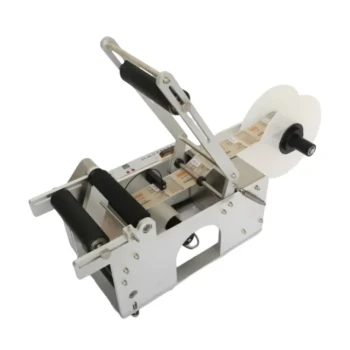
- Semi Automatic Round Bottle Labeling Machine
- Pneumatic Paste Filling Machine Bottling Packaging Machine Single Nozzle
People Also Ask
- How does a bottle capping machine work? Unlock Efficient, Consistent Sealing for Your Production Line
- What is the purpose of a bottle capping machine? Boost Efficiency and Ensure Product Integrity
- What are the categories of bottle capping machines? Choose the Right Automation for Your Line
- What type of machine is recommended for smaller businesses? The Smart Choice for Growing Operations
- What is the purpose of bottle capping equipment and what types are available? Professional Sealing Solutions