Integrated packaging and labeling equipment acts as the essential equalizer for small producers aiming for mainstream retail success. It solves the critical problem of rudimentary presentation by ensuring every unit meets the professional standards and strict specifications demanded by supermarkets.
By replacing manual inconsistency with automated precision, small producers can meet the standardized specifications required by major retailers. This equipment transforms a product’s visual appeal, turning packaging into a competitive asset rather than a barrier to entry.
The Necessity of Professional Presentation
Elevating Brand Perception
For small-scale producers, the quality of the product often exceeds the quality of the presentation. Integrated equipment bridges this gap, providing a consistent finish that signals reliability to the consumer.
Without this technology, packaging often appears "rudimentary" or amateur. This lack of polish can cause consumers to overlook high-quality artisan goods in favor of inferior, but better-packaged, competitors.
Leveraging Visual Appeal
In a supermarket environment, your packaging is your primary salesperson. Integrated labeling ensures that branding is applied perfectly every time, maximizing visual appeal.
This consistency allows small brands to project an image of scale and stability. It enables producers to leverage their brand identity effectively, capturing attention in a crowded visual landscape.
Meeting Mainstream Retail Standards
Adhering to Standardized Specifications
Mainstream retailers and supermarkets operate on strict logistical requirements. They demand standardized packaging specifications to ensure products stack, store, and display correctly.
Manual or non-integrated processes often fail to meet these rigid tolerances. Integrated equipment guarantees that every unit leaving the line meets the exact physical dimensions and labeling placements required by retail contracts.
Securing a Competitive Presence
Access to mainstream markets is not guaranteed; it is earned through compliance and appearance. Retailers are hesitant to stock products that look inconsistent or risky.
By adopting integrated systems, producers demonstrate they are "retail-ready." This capability is often the deciding factor in securing a presence in competitive environments where shelf space is at a premium.
Operational Realities and Trade-offs
The Shift from Flexibility to Uniformity
While integrated equipment provides professionalism, it requires a shift in mindset. You are moving from the flexibility of manual, one-off adjustments to a system that prioritizes uniformity and speed.
This transition eliminates the "hand-crafted" variance that some artisan producers value. However, this trade-off is necessary to achieve the standardization required for scaling up.
The Requirement for Defined Specs
Equipment is only as good as the instructions it is given. To succeed, you must have clearly defined packaging specifications before implementation.
If your brand strategy relies on constantly changing package sizes or label shapes, integrated equipment may introduce rigidity. It excels at consistency, not improvisation.
Making the Right Choice for Your Goal
To successfully enter mainstream markets, align your equipment strategy with your specific business objectives:
- If your primary focus is Retailer Acceptance: Prioritize equipment that guarantees rigid adherence to standardized specifications to ensure your product physically fits the supply chain.
- If your primary focus is Consumer Acquisition: Focus on labeling precision and print quality to maximize the visual appeal and professionalism of your brand on the shelf.
Standardization is the price of entry for the mainstream market, but professional execution is what keeps you there.
Summary Table:
| Feature | Manual/Non-Integrated Processes | Integrated Packaging & Labeling |
|---|---|---|
| Visual Appeal | Rudimentary and inconsistent | Professional, high-end polish |
| Standardization | High variance; fails retail specs | Guarantees strict retail tolerances |
| Brand Perception | Amateur or "Home-made" look | Established and reliable image |
| Retailer Readiness | High risk of rejection | High acceptance for mainstream shelf space |
| Operational Focus | Flexible but slow and varied | Uniformity, speed, and scalability |
Scale Your Apiary Operations with Professional Precision
Transitioning from local markets to mainstream retail requires equipment that guarantees consistency and professionalism. HONESTBEE specializes in empowering commercial apiaries and distributors with the tools needed to compete on a global scale.
We provide a comprehensive wholesale range of:
- Advanced Machinery: From automated hive-making to precision honey-filling and labeling lines.
- Essential Consumables: A wide array of high-quality industry supplies for daily operations.
- Cultural Merchandise: Honey-themed products to expand your brand's reach.
Don't let rudimentary packaging hold your brand back. Partner with HONESTBEE to secure your place in the competitive retail landscape with equipment designed for growth.
Contact Our Experts Today to Optimize Your Production
References
- Aleksandra Tymczak. Bringing beekeeping and berry farming to Alberta. DOI: 10.33424/futurum522
This article is also based on technical information from HonestBee Knowledge Base .
Related Products
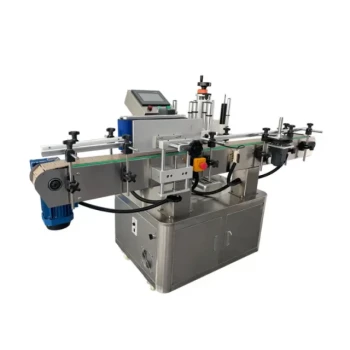
- Automatic In-Line Round Bottle Labeling Machine
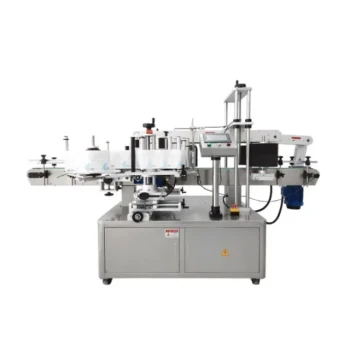
- Automatic Dual Sided In Line Labeling Machine
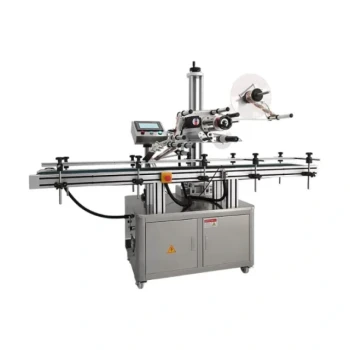
- Automatic In-Line Flat Surface Labeling Machine
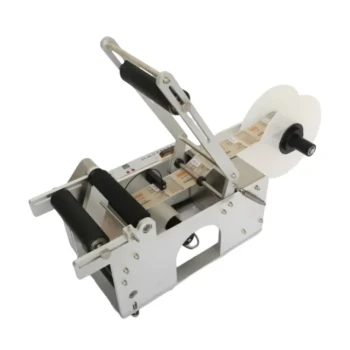
- Semi Automatic Round Bottle Labeling Machine
- Small Honey Filling Machine Sachet Packing Equipment Single Nozzle
People Also Ask
- What are the key components of an automatic labeling machine? Unlock High-Speed, Precision Labeling
- What are the efficiency benefits of an automatic labeling machine? Boost Speed, Accuracy & Consistency
- How does an automatic labeling machine operate? Achieve High-Speed, Precise Product Labeling
- How does an automatic labeling machine reduce labor costs? Slash Overhead & Boost Productivity
- Why is it essential to integrate a high-performance automatic labeling system? Secure Trust and Compliance in Honey