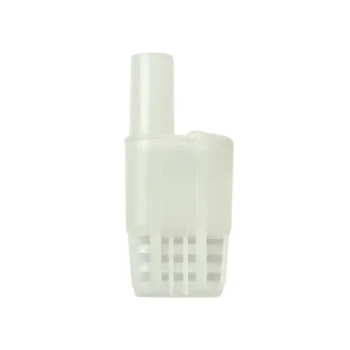
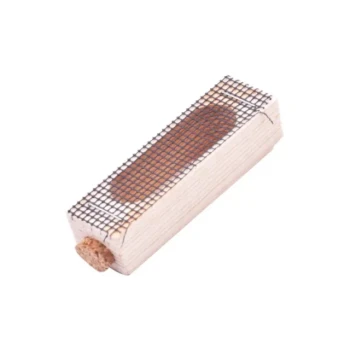
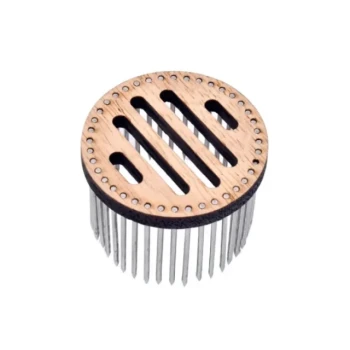
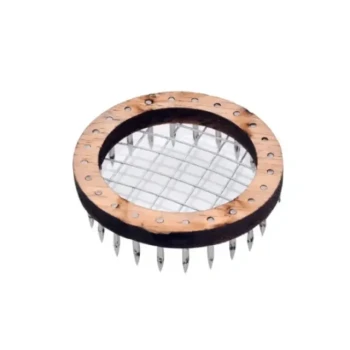
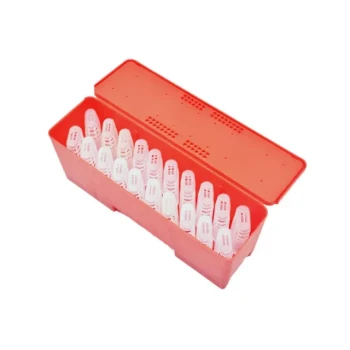
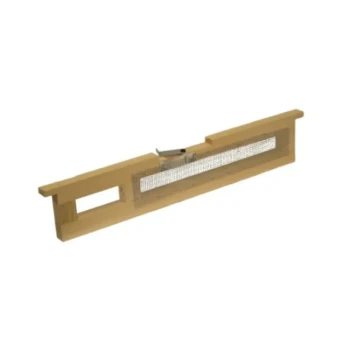
Specialized queen cages serve as isolation chambers designed to treat honeybee queens heavily infested with Braula (bee lice). By physically separating the queen from the colony, these cages allow technical personnel to apply a high density of anesthetic tobacco smoke directly to the parasite without subjecting the rest of the hive to unnecessary chemical exposure.
Braulosis treatment requires precision because the parasite physically attaches to the host. The queen cage acts as a localized treatment vessel, ensuring the anesthetic smoke is potent enough to dislodge the lice from the queen while protecting the broader hive environment from high-concentration fumigation.
The Mechanics of Targeted Fumigation
To effectively treat Braulosis, one must solve the problem of delivering a high dose of treatment to a small target without affecting the surrounding environment.
Creating a Confined Treatment Zone
The primary function of the specialized cage is to create a controlled micro-environment.
By placing the queen inside this restricted space, you eliminate the variable of airflow present in a standard hive. This confinement is the prerequisite for effective dosing.
Enhancing Anesthetic Density
Tobacco smoke is used as the fumigant to anesthetize the lice.
In an open hive, smoke dissipates rapidly. Inside the specialized cage, the smoke is trapped and concentrated. This ensures the queen is surrounded by a density of smoke sufficient to affect the parasites, which require a stronger concentration to dislodge than standard hive smoking provides.
Improving Treatment Efficacy
The use of the cage fundamentally changes the efficiency of the removal process.
Maximizing Parasite Removal
Braula parasites attach firmly to the queen.
The high concentration of smoke achieved within the cage acts as a powerful anesthetic. This causes the lice to lose their grip and fall off the queen more effectively than they would during a general hive treatment.
Minimizing Colony Exposure
Treating an entire colony with the smoke concentration required to dislodge Braula could be detrimental to the worker bees and brood.
The cage acts as a barrier. It ensures that the heavy chemical load is restricted solely to the infested queen. The rest of the colony remains untouched by the intense fumigation, preserving the overall health of the hive.
Understanding the Trade-offs
While effective, this targeted approach introduces specific operational considerations that differ from broad treatments.
Handling Requirements
This method requires manual intervention. Technical personnel must physically locate, capture, and cage the queen. This introduces a level of handling that is not present in passive chemical treatments.
Specificity vs. Scale
This is a precision tool, not a mass-treatment solution.
It is highly effective for saving a valuable queen, but it requires individual attention for each infested colony. It is a technical procedure suited for targeted intervention rather than routine, broad-spectrum apiary maintenance.
Making the Right Choice for Your Goal
When deciding on a treatment strategy for Braulosis, consider your specific objectives regarding efficacy and hive health.
- If your primary focus is maximizing parasite removal: Isolate the queen in the specialized cage to achieve the high smoke density required to fully anesthetize and dislodge stubborn Braula.
- If your primary focus is colony preservation: Utilize the isolation method to strictly limit high-intensity smoke exposure to the queen, protecting the worker population and brood from unnecessary stress.
Precision isolation turns a potentially harmful fumigation process into a safe, targeted recovery procedure.
Summary Table:
| Feature | Function in Braulosis Treatment | Benefit to the Apiary |
|---|---|---|
| Micro-Environment | Creates a confined, controlled treatment zone | Eliminates airflow variables for precise dosing |
| Fumigant Density | Traps and concentrates anesthetic tobacco smoke | Effectively dislodges lice that require high concentrations |
| Chemical Barrier | Restricts heavy smoke load solely to the queen | Prevents worker bee and brood exposure to chemicals |
| Precision Control | Allows for manual, targeted intervention | High efficacy for individual, high-value queen recovery |
Elevate Your Apiary Management with HONESTBEE
Protecting your high-value queens from Braulosis requires the right tools and technical precision. HONESTBEE is dedicated to supporting commercial apiaries and distributors with a professional-grade selection of beekeeping equipment. From specialized queen cages and hive-making machinery to advanced honey-filling systems and essential consumables, we provide the full spectrum of wholesale solutions needed to scale your operations.
Partner with HONESTBEE today to access premium hardware and expert support for your beekeeping business.
Contact Our Sales Team for Wholesale Inquiries
References
- Mirjana Bojanić Rašović. SIGNIFICANCE OF THE PROTECTION OF HONEY BEES FROM BRAULOSIS (WITH A SPECIAL FOCUS ON MONTENEGRO). DOI: 10.17707/agricultforest.65.2.09
This article is also based on technical information from HonestBee Knowledge Base .
Related Products
- Professional Queen Cage with Sliding Gate and Feeder Plug
- Professional Queen Bee Introduction and Transport Cage
- Professional Multi-Functional Queen Bee Cage
- Professional Multi-Compartment Queen Cage with Sliding Lid
- Professional Round Push-In Queen Cage with Metal Tines
People Also Ask
- Why are specialized queen bee cages used for the banking of mated queen bees? Maximize Commercial Apiary Storage Efficiency
- What is the mechanism of action for using temporary queen bee cages? Master Successful Queen Introduction
- How is a queen bee released from a queen cage? Ensure Safe Colony Integration & Hive Success
- What is the step-by-step process for installing a queen bee's cage onto a frame? Ensure Hive Acceptance Safely
- What technical precaution must be taken regarding the mesh or grill side of a queen bee cage? Ensure Queen Survival