Standard pollen traps serve as the primary mechanical interface for harvesting high-quality raw bee pollen. These devices are installed at the hive entrance to strip pollen pellets from the hind legs of returning worker bees before they enter the colony. This critical intervention ensures that the raw material is captured in its most natural state, facilitating the large-scale production required for industrial supply chains.
Standard pollen traps utilize a mechanical grid to physically intercept pollen pellets, preventing them from being processed into "bee bread" within the hive. This process is the foundation of high-purity sourcing, allowing for bulk collection while maintaining the biological and botanical integrity of the product.
The Mechanical Logic of Raw Material Collection
Automated Stripping and Physical Interception
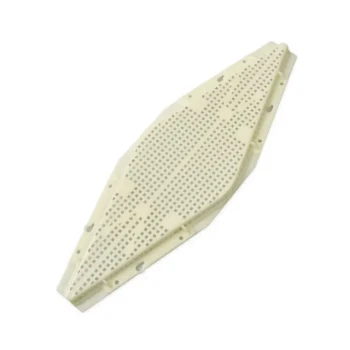
Standard pollen traps utilize a specialized grid or physical barrier with precise apertures. As worker bees return to the hive, they must pass through this grid, which gently brushes the pollen loads from the corbiculae (pollen baskets) on their hind legs.
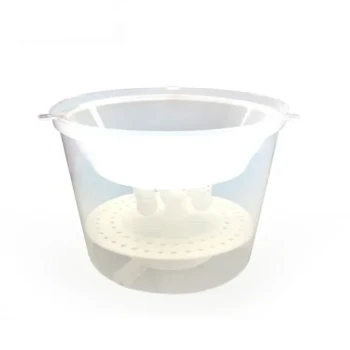
The intercepted pollen pellets fall directly into a protected collection tray or drawer. This mechanical harvesting method enables the non-destructive, large-scale collection of raw botanical source powders without requiring manual sorting or invasive hive procedures.
Preservation of Botanical Purity
By capturing the pollen at the hive entrance, the trap prevents the material from being integrated into the hive’s interior. This is crucial because it ensures the pollen is not mixed with bee enzymes or fermented into bee bread, which alters its chemical profile.
For B2B resellers, this stage is vital for maintaining original botanical source attributes. It provides a "clean" biological sample that is essential for accurate laboratory identification of plant species and subsequent chemical composition analysis.
Supporting Industrial-Scale Supply Chains
Facilitating Bulk and Daily Yields
Standard traps are designed for the efficient, automated collection of bee pollen across large apiaries. This hardware allows producers to manage daily collection cycles, ensuring a steady stream of raw material to meet the demands of global distributors and wholesalers.
The use of these traps is the first step in a professional order fulfillment process. It allows for the systematic sampling of floral resources across a landscape, ensuring that the resulting product portfolio is both diverse and consistent in volume.
Ensuring Raw Material Cleanliness
Immediate physical separation of the pollen from the bee colony is the starting point for industrial production. By using a trap, producers minimize the risk of hive-borne contaminants or debris entering the raw material.
This early-stage purity is a significant advantage for distributors who require high-quality materials for further processing. It reduces the complexity of downstream purification and ensures the biological activity of the nutritional source is preserved.
Understanding the Trade-offs
Balancing Colony Health and Collection Volume
Standard pollen traps typically intercept approximately 50% of the pollen carried by worker bees. This is a deliberate trade-off designed to harvest significant commercial volume without severely impacting the protein supply of the bee colony.
If trapping is too aggressive or poorly managed, it can stress the hive and reduce the long-term viability of the source. Professional apiary management ensures a balance that maintains both supply chain reliability and environmental sustainability.
Sensitivity to Environmental Conditions
Because the collection trays are exposed to the external environment, the raw pollen is susceptible to moisture and humidity. High-quality sourcing requires rapid response times and frequent collection intervals to prevent spoilage or the loss of biological activity.
Distributors should verify that their suppliers have the logistical infrastructure to handle these "fresh" materials immediately after they are trapped. This ensures the ultra-fast delivery of a product that meets premium purity standards.
Optimizing Your Sourcing Strategy
Making the Right Choice for Your Goal
- If your primary focus is product purity and authenticity: Prioritize suppliers who utilize standard pollen traps to ensure raw materials are intercepted before hive processing, preserving original biological markers and chemical integrity.
- If your primary focus is supply chain reliability and volume: Partner with collectors using large-scale mechanical trapping systems capable of providing consistent daily bulk yields and efficient order fulfillment for a full-spectrum product portfolio.
- If your primary focus is high-end nutritional or lab-grade materials: Seek out sources that utilize precision grids and frequent collection cycles to guarantee the highest level of biological activity and minimal environmental degradation.
Understanding the mechanical precision of the collection stage is essential for securing a premium, traceable, and scalable supply of bee pollen for the global market.
Summary Table:
| Feature | Primary Function | Industrial Value |
|---|---|---|
| Mechanical Grid | Strips pollen from worker bees' legs | Enables non-destructive, bulk harvesting |
| Physical Separation | Prevents pollen from becoming "bee bread" | Maintains original botanical & chemical integrity |
| Collection Tray | Captures raw pellets in a protected area | Minimizes debris and hive-borne contaminants |
| Efficiency Control | Intercepts ~50% of incoming pollen | Balances commercial volume with colony health |
Scale Your Supply Chain with HONESTBEE
Looking to secure a reliable, high-volume supply of premium beekeeping equipment? HONESTBEE is your dedicated partner for one-stop sourcing. We cater specifically to commercial apiaries and B2B distributors, offering a comprehensive wholesale portfolio that includes everything from precision pollen traps to advanced hive-making and honey-filling machines.
Why partner with us?
- Full-Spectrum Portfolio: Access all the machinery, tools, and consumables your business needs.
- Deep Industry Expertise: Benefit from our professional insights to optimize your collection and production.
- Elite Service: Experience rapid response times, OEM/ODM support, and efficient order fulfillment.
- Rapid Delivery: Our logistics network ensures ultra-fast delivery to keep your operations running smoothly.
Ready to enhance your profit margins and supply reliability? Contact our expert team today!
References
- Salud Serrano, Inmaculada Rodríguez. Dried Vs Fresh-Frozen Bee Pollen: Botanical Sensory Profiling. DOI: 10.12944/crnfsj.13.1.9
This article is also based on technical information from HonestBee Knowledge Base .
Related Products
- Removable Plastic Pollen Trap With Ventilated Tray for Bees Pollen Collector
- 30 cm Plastic Entrance Hole Bee Pollen Trap and Collector
- Plastic Bee Pollen Trap Strips Comb Catcher Collector
- High-Efficiency Diamond Maze Bee Escape for Clearing Supers
- 8 Frame and 10 Frame Propolis Trap Collector Screen for Propolis Collection
People Also Ask
- What are the design principles and advantages of pollen traps in the collection of bee pollen? Boost Your Apiary Yield
- What is the function of professional pollen traps in evaluating honey plants? Quantifying Pollination and Crop Potential
- What functions do pollen traps serve for bee bread production? Optimize Your Raw Material Collection
- How can commercial beekeepers utilize pollen traps to minimize honey bee colony exposure to fungicide-contaminated pollen during agricultural spraying?
- What maintenance and pest prevention measures should be taken for pollen traps? Protect Your Hive and Harvest Quality