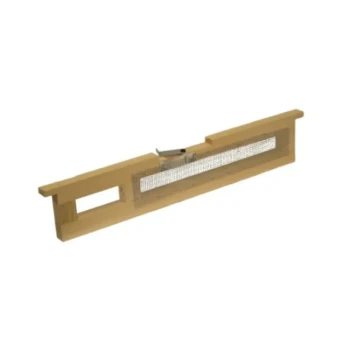
Standardized wooden artificial nest blocks function as controlled proxies for natural nesting sites, specifically designed to enable the quantitative study of solitary bee populations. Typically made from natural wood like pine with pre-drilled holes, these devices allow researchers to measure reproductive success and analyze nest contents in a way that is difficult to achieve with wild, irregular nesting sites.
Core Takeaway By translating the variable conditions of nature into a standardized hardware format, these blocks provide a consistent baseline for tracking population dynamics. They are essential tools for measuring how environmental shifts and invasive species impact local pollinator health over time.
Simulating the Natural Environment
Replicating Wild Conditions
Standardized blocks are typically constructed from natural wood, such as pine, to closely resemble the textures and thermal properties of wild habitats.
By drilling holes of specific diameters into these blocks, researchers create a controlled nesting environment that mimics the beetle holes or hollow stems found in nature.
Targeting Specific Species
These structures are specifically engineered to attract cavity-nesting solitary bees, such as leafcutter bees and digger bees.
Unlike social bees that inhabit large hives, these species utilize these individual, standardized tunnels to construct brood cells and store food for their offspring.
The Value of Standardized Data
Measuring Reproductive Success
The primary utility of this hardware is its ability to facilitate long-term quantitative monitoring.
Because the dimensions of the nesting sites are known and constant, researchers can accurately count offspring and assess survival rates to determine the reproductive health of a local population.
Analyzing Resource Use
These blocks allow for the non-destructive sampling and analysis of nest pollen composition.
By examining the provisions stored within the blocks, ecologists can determine exactly which plants the bees are foraging on, providing critical data on local floral resource availability.
Assessing Environmental Impact
The standardization of the blocks is critical for comparing data across different geographic locations and time periods.
This consistency makes them a central tool for assessing the impact of environmental changes or the ecological pressure exerted by invasive species on native populations.
Understanding the Limitations
Simulation vs. Reality
While these blocks provide high-quality data, it is important to recognize they are a simulation of natural conditions.
They prioritize the study of cavity-nesting species, potentially excluding ground-nesting solitary bees which make up a significant portion of the bee population.
Maintenance Requirements
Creating a dense, stable physical environment can unintentionally favor the spread of parasites if not managed.
Unlike ephemeral natural sites, permanent blocks require monitoring to ensure they do not become sinks for disease rather than safe havens for reproduction.
Making the Right Choice for Your Research
If you are implementing a monitoring program, align your use of these blocks with your specific data requirements:
- If your primary focus is Population Health: Prioritize the tracking of reproductive success rates within the blocks to gauge the immediate viability of the local colony.
- If your primary focus is Ecosystem Analysis: Focus on analyzing the pollen composition within the nests to understand the link between local flora and pollinator diet.
Standardized monitoring transforms anecdotal observation into actionable data, giving you the evidence needed to protect vulnerable pollinator networks.
Summary Table:
| Feature | Function in Monitoring | Ecological Benefit |
|---|---|---|
| Standardized Cavities | Replicate natural beetle holes/stems | Enables quantitative species-specific research |
| Natural Wood Material | Provides consistent thermal properties | Mimics wild nesting conditions for accuracy |
| Fixed Dimensions | Constant site volume and diameter | Accurate measurement of reproductive success |
| Accessible Tunnels | Facilitates non-destructive sampling | Precise analysis of pollen and foraging habits |
Elevate Your Bee Monitoring Programs with HONESTBEE
Are you looking to enhance your ecological research or expand your commercial apiary operations? HONESTBEE is your premier partner, supplying commercial apiaries and distributors with high-quality, professional-grade equipment. From standardized wooden nesting hardware and hive-making machinery to advanced honey-filling systems and essential consumables, we provide the full spectrum of tools needed for success.
Whether you are managing massive pollinator networks or seeking honey-themed cultural merchandise for your brand, we deliver the reliability and expertise your business deserves. Contact us today to explore our wholesale solutions and strengthen your pollinator infrastructure!
References
- David W. Roubik, Rogel Villanueva‐Gutiérrez. Invasive Africanized honey bee impact on native solitary bees: a pollen resource and trap nest analysis. DOI: 10.1111/j.1095-8312.2009.01275.x
This article is also based on technical information from HonestBee Knowledge Base .
Related Products
- Professional Wooden Requeening Frame for Beekeeping
- Wooden Bee Hive Frames for Beekeeping and Wholesale
- Wholesales Dadant Size Wooden Bee Hives for Beekeeping
- Assembled Wooden Bee Frames with Plastic Foundation for Durability and Convenience by HONESTBEE
- Langstroth Solid Bottom Board for Beekeeping
People Also Ask
- What are the primary functions of beekeeping frames? Boost Efficiency with Professional Hive Management
- What are the best practices for assembling beekeeping frames? Pro Tips for Maximum Durability & Efficiency
- How are deep, medium, and shallow frames typically used in beekeeping? Optimize Your Hive Setup
- What are the characteristics of wooden frames in beekeeping? Unlock Natural Flexibility & Cost-Effectiveness
- What are the common specifications for wooden beekeeping frames used in colony expansion? Your Complete Guide