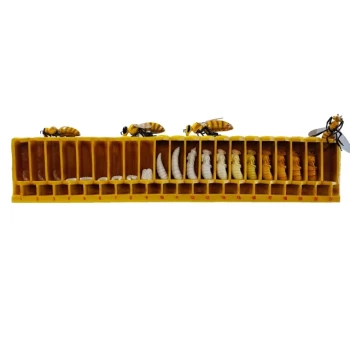
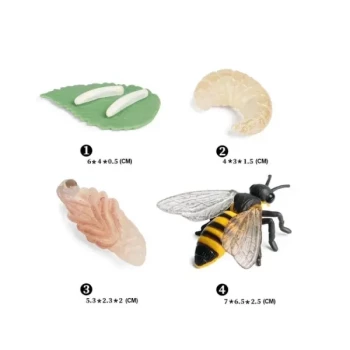
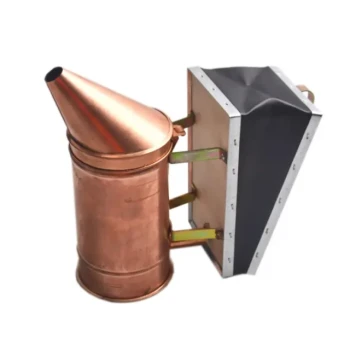
The metal cylinder is the indispensable containment tool in the Freeze-killed brood (FKB) bioassay. It serves as a physical barrier that isolates a precise section of capped worker bee brood cells, typically covering approximately 160 cells, for the application of liquid nitrogen. Its primary function is to ensure that the freezing agent kills only the targeted larvae within the cylinder, protecting the surrounding healthy brood and the structural integrity of the honeycomb from accidental damage.
The metal cylinder standardizes the FKB bioassay by providing a controlled, quantitative area for liquid nitrogen injection, allowing breeders to accurately measure the hygienic behavior of honey bees without compromising the rest of the frame.
Precision Control in Breeding Tools
Standardizing the Test Environment
The cylinder defines a repeatable area of cells, which is vital for researchers and commercial breeders who require consistent data. By creating a standardized test zone, it allows for the direct comparison of different colonies' performance under identical conditions.
Protecting Hive Assets
By acting as a physical boundary, the cylinder prevents liquid nitrogen from overflowing onto the rest of the frame. This ensures that the social immune response being measured is a reaction to the isolated test area and not to widespread, accidental damage across the hive.
Enhancing Data Accuracy for Commercial Selection
Enabling Quantitative Metrics
The use of a cylinder allows for the calculation of specific removal rates, a key metric in identifying disease-resistant breeding stock. High-performing colonies identified through this precise method are highly valued in the commercial queen-rearing market.
Simulating Social Immune Responses
The cylinder allows for the rapid killing of larvae in a way that simulates natural brood death. This triggers the bees' hygienic behavior, providing a clear, measurable indicator of their ability to detect and remove diseased or dead larvae before pathogens can spread.
Understanding the Trade-offs and Pitfalls
Material and Seal Integrity
While metal cylinders offer the durability required for heavy field use, they must be pressed firmly into the wax to create a liquid-tight seal. If the seal is compromised, nitrogen can leak underneath, leading to inaccurate data and unnecessary brood loss outside the designated area.
Thermal Conductivity Challenges
Metal is an excellent conductor, meaning the cylinder itself becomes extremely cold during the process. Operators must handle these tools with professional-grade safety equipment to avoid injury while ensuring the rapid response times required for large-scale apiary testing.
Making the Right Choice for Your Portfolio
Sourcing specialized apiary tools requires a partner who understands the technical requirements of modern honey bee pathology and breeding programs.
- If your primary focus is rapid order fulfillment: Partner with a supplier that maintains a full-spectrum inventory of FKB cylinders to ensure ultra-fast delivery during the critical spring breeding windows.
- If your primary focus is technical excellence: Choose a source with deep professional industry expertise that can provide comprehensive testing kits tailored to high-volume commercial queen breeders.
- If your primary focus is premium trading services: Look for a partner offering dedicated customer service capable of navigating the logistical complexities of shipping specialized laboratory and field equipment.
Providing high-quality FKB cylinders ensures your clients can accurately identify the most resilient colonies, driving long-term value in the honey bee supply chain.
Summary Table:
| Key Function | Technical Benefit | Impact on Breeding |
|---|---|---|
| Containment | Isolates liquid nitrogen to a specific area | Protects surrounding healthy brood and honeycomb structure |
| Standardization | Defines a consistent ~160-cell test zone | Enables repeatable, quantitative data across different colonies |
| Simulation | Rapidly kills larvae to mimic natural death | Triggers and measures the colony's natural hygienic behavior |
| Seal Integrity | Creates a liquid-tight barrier in wax | Prevents leakage to ensure data accuracy and minimize brood loss |
Elevate Your Breeding Supply with HONESTBEE Professional Equipment
As a premier one-stop sourcing partner for commercial apiaries and B2B distributors, HONESTBEE delivers a comprehensive full-spectrum product portfolio. From specialized breeding tools like FKB cylinders to advanced honey-filling machines and essential industry consumables, we provide the hardware necessary for professional-grade success.
Why Partner with HONESTBEE?
- Deep Industry Expertise: We understand the technical demands of honey bee pathology and modern breeding programs.
- Rapid Fulfillment: Benefit from ultra-fast delivery and efficient order processing to meet critical seasonal windows.
- Premium Service: Dedicated support tailored to the needs of wholesalers and resellers worldwide.
Contact HONESTBEE Today to secure high-quality apiary tools and equipment that drive long-term value for your customers!
References
- Hasan Al Toufailia, Francis L. W. Ratnieks. Both hygienic and non-hygienic honeybee, <i>Apis mellifera</i> , colonies remove dead and diseased larvae from open brood cells. DOI: 10.1098/rstb.2017.0201
This article is also based on technical information from HonestBee Knowledge Base .
Related Products
- Honey Bee Lifecycle Model: A Detailed Honeycomb Display of Bee Development
- Professional Dual Action Queen Excluder Scraper for Beekeeping
- HONESTBEE Anatomy Bee Model Detailed Anatomical Display for Education and Study
- Heavy-Duty Ergonomic Grip Galvanized Pollen Shovel
- Honey Bee Life Cycle Model 4 Stage Educational Set for Kids Learning
People Also Ask
- Are honey bees good to have around? The Essential Role and Ecological Impact of Bees
- Why does standardized equipment lower honey bee winter loss? Master Large-Scale Beekeeping Success
- Do honey bees leave their hives? Understanding the Critical Role of Swarming
- What activities require a lot of energy for honey bees? Understanding the Colony's Energy Budget
- How do honey bees develop from egg to adult? The Complete 4-Stage Metamorphosis Guide