Wax queen cell cups function as the foundational interface between a breeder’s genetic selection and the colony’s natural nursing instincts. By simulating the geometry of natural queen cells, these cups serve as a standardized substrate for grafting larvae, triggering the worker bees of Apis mellifera carnica to feed, rear, and protect the developing queens.
Core Takeaway Wax cups are the critical "hardware" that transforms queen rearing from a random natural event into a controlled, industrial process. They allow breeders to bypass the colony's natural impulse to swarm or supersede, enabling the systematic mass production of queens with specific, superior genetic traits in a standardized spatial arrangement.
The Mechanics of the Artificial Surrogate
Simulating Natural Geometry
The primary function of the wax cup is to mimic the physical environment of a natural queen cell. Worker bees are biologically programmed to recognize specific shapes and orientations—typically a bowl shape with a diameter around 9mm—as potential queen cells.
By presenting the colony with this familiar geometry, the wax cup acts as a "super-stimulus," encouraging nurse bees to accept the grafted larva and immediately begin the construction of the cell wall and the deposition of royal jelly.
A Vessel for Metamorphosis
Unlike worker brood, which develops in horizontal cells, queens require a vertical orientation and a massive reservoir of food. The wax cup provides the structural support necessary for this unique development.
It serves as a secure basin that holds the larva and the abundance of royal jelly required for the transition from the larval to the pupal stage. This ensures the developing queen is not dislodged during the rapid growth phase.
Enabling Directional Selection
Decoupling Genetics from the Nurse Colony
In natural reproduction, a colony raises a queen from its own genetic line. Wax cups break this cycle, allowing for directional selection.
Breeders can graft larvae from a specific "breeder mother" (selected for desirable Apis mellifera carnica traits like gentleness or honey production) into the cups. These cups are then placed in a different "cell builder" colony. The wax cup physically isolates the selected genetics while utilizing the nursing resources of a strong, unrelated colony.
Guiding Construction Location
Without artificial cups, bees build queen cells randomly on the comb face or edges (swarm cells). Wax cups grant the beekeeper spatial control.
They guide worker bees to construct cells in specific, accessible locations—typically suspended on grafting bars. This organization is vital for management, allowing the breeder to easily inspect, count, and harvest ripe queen cells without destroying the comb structure.
Operational Scale and Efficiency
Facilitating Mass Production
Wax cups are defined as essential consumables for commercial operations. They allow for large-scale "batch processing" of queens.
By fixing multiple groups of cups onto grafting frames, beekeepers can rear dozens of queens simultaneously rather than the handful a colony might produce naturally. This scalability is the cornerstone of modern commercial queen production.
Unified Management
The standardization provided by these cups simplifies the workflow. Because every cell starts at the exact same age and in the exact same position, beekeepers can synchronize their activities—grafting, checking acceptance, and harvesting—across hundreds of colonies with high precision.
Understanding the Trade-offs
Fragility vs. Acceptance
While plastic cups are also available, wax cups often offer superior initial acceptance by the bees because they are made of natural material.
However, wax is physically more fragile than plastic. It requires careful handling during the transfer process to ensure the cup is not deformed. Additionally, wax cups are typically single-use or require melting and re-dipping, whereas plastic systems are often marketed as reusable after cleaning.
The "Consumable" Factor
Because they are made of wax, these cups often become integrated into the comb structure built by the bees. This makes them consumables rather than permanent assets. Breeders must treat them as a recurring input cost, constantly replenishing stocks to maintain production cycles.
Making the Right Choice for Your Goal
When managing Apis mellifera carnica breeding programs, the use of wax cups dictates your workflow.
- If your primary focus is High Acceptance Rates: Prioritize high-quality wax cups over plastic, as the natural material is less likely to be rejected by the fastidious carnica nurse bees.
- If your primary focus is Genetic Consistency: Use the cups to strictly segregate larvae from your top breeder queens, ensuring that the nurse colony's genetics do not influence the lineage of the new queens.
- If your primary focus is Commercial Scale: Implement a system of grafting bars that hold standardized rows of wax cups to maximize the collection of royal jelly and the number of queens produced per colony.
Ultimately, the wax queen cell cup is not just a container; it is the tool that allows you to impose human intent upon the complex biological workflow of the hive.
Summary Table:
| Feature | Function & Purpose | Benefit for Breeders |
|---|---|---|
| Natural Geometry | Mimics natural 9mm queen cell bowls | Triggers immediate nursing & acceptance |
| Structural Support | Vertical basin for larvae & royal jelly | Ensures secure environment for metamorphosis |
| Genetic Control | Decouples genetics from the nurse colony | Facilitates directional selection of traits |
| Spatial Organization | Guides bees to build on grafting bars | Simplifies inspection, counting, and harvesting |
| Material Advantage | Natural beeswax construction | Superior acceptance rates vs. synthetic plastic |
Scale Your Apiary Operations with HONESTBEE
At HONESTBEE, we understand that commercial success in queen breeding depends on precision and high-quality equipment. As a dedicated partner to commercial apiaries and distributors, we provide a comprehensive wholesale range of beekeeping tools, machinery, and essential consumables designed for the Apis mellifera industry.
From high-acceptance wax queen cell cups to advanced honey-filling machines and specialized hive-making hardware, our portfolio is built to enhance your production efficiency. Whether you are looking to stock up on seasonal consumables or invest in heavy-duty machinery, we deliver the quality you need to maintain superior genetic lines.
Ready to optimize your supply chain? Contact us today to explore our wholesale offerings and see how we can support your business growth.
References
- H. Fathy, Minako Hamada. Impact of Different Workers Population in Queenless Rearing Colonies on the Quality of Produced Apis mellifera carnica Queen in Manzala Region. DOI: 10.21608/jppp.2019.53637
This article is also based on technical information from HonestBee Knowledge Base .
Related Products
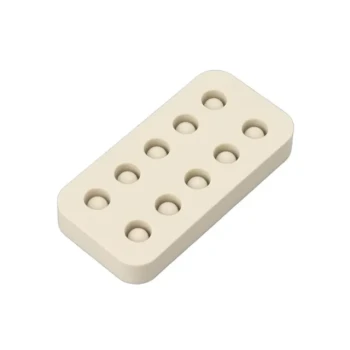
- 10-Cell Silicone Beeswax Bee Queen Cups Forming Mold
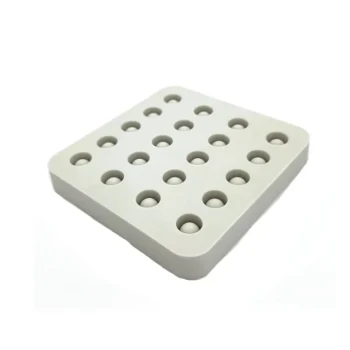
- High-Efficiency 20-Cell Silicone Mold for Beeswax Bee Queen Cup Production
- JZBZ Type Wide Base Plastic Queen Cell Cups for Base Mounting and Queen Rearing
- Clear Black Plain Polystyrene Queen Bee Grafting Cell Cups No Lug for Bee Queen Cup
- Brown Nicot Queen Cell Cups for Breeding Queen Bees Beekeeping
People Also Ask
- How do beeswax queen cell cups function? Optimize Queen Rearing with Biological Mimicry
- What is the biological function of beeswax queen cell cups? Boost Acceptance in Artificial Queen Rearing
- What role do specialized queen rearing tools play in developing mite-resistant honeybee stock? Master Genetic Selection
- What materials are used to make artificial queen cell cups for grafting? Beeswax vs. Plastic Guide
- What roles do specialized queen cell cups play in royal jelly production? Optimize Your Hive's Secretion and Yield