In the Doolittle method of artificial queen rearing, wax queen cell cups function as the foundational architecture that transforms a worker larva into a queen. They act as artificial surrogates for the natural base of a queen cell, serving as the receptacle for grafting one-day-old larvae and triggering the colony's instinct to raise them as royalty.
The wax cup is a bio-mimetic device that deceives nurse bees into initiating the queen-rearing process. By simulating the physical structure and chemical environment of a natural queen cell, these cups induce the mass secretion of royal jelly and allow for the standardized, large-scale production of high-quality queens.
The Biological Mechanism of Mimicry
Simulating the Natural Cell Base
The primary function of the wax cup is to replicate the physical characteristics of a naturally built queen cell cup. In a hive, bees construct these bases specifically to rear a new queen; in the Doolittle method, the wax cup provides this "guiding device" artificially. This pre-formed base allows the colony to skip the initial construction phase and immediately focus on the larva.
Inducing the Rearing Impulse
Once a larva is grafted into the cup, the cup’s structure signals to nurse bees that this larva is a royal candidate. This visual and physical cue induces the nurse bees to accept the larva and begin secreting large amounts of royal jelly. Without this specific container, the bees would likely treat the larva as a standard worker or reject it entirely.
Providing a Controlled Environment
The cup acts as a standardized vessel that suspends the larva in royal jelly. It serves as a fixed interface where the bees can attach new wax and extend the walls downward to create a completed, peanut-shaped queen cell. This creates a protected, consistent space for the queen's development from the larval stage through pupation.
The Role in Large-Scale Production
Enabling Modularity
Wax cups convert the biological process of queen rearing into a modular, manageable system. Because the cups are discrete units, they can be mounted in rows on grafting frames. This allows a beekeeper to manage dozens of developing queens within a single hive simultaneously, rather than relying on the hive's natural, scattered swarming preparations.
Standardization of Hardware
For successful artificial breeding, the "hardware" must be consistent. Wax cups are essential consumables that ensure every larva starts with the same spatial resources. This standardization is critical for achieving a uniform emergence rate and ensuring that the resulting queens are of consistent quality.
Understanding the Trade-offs
Material Bio-Affinity
The material of the cup is a critical variable in the acceptance rate. Wax cups, particularly those made from natural or old comb beeswax, exhibit high "bio-affinity." Because their chemical properties match the internal substances of the hive, bees are less likely to perceive them as foreign objects, leading to higher acceptance compared to synthetic alternatives.
The Risk of Rejection
While wax cups are superior for acceptance, their quality must be monitored. If the wax is contaminated or the physical shape deviates significantly from natural dimensions, the nurse bees will reject the graft. The cup is not just a holder; it is an experimental interface where the pH and chemical interaction between the wax and the royal jelly can influence larval survival.
Making the Right Choice for Your Goal
The wax queen cell cup is more than a container; it is the trigger that switches a colony from maintenance mode to production mode.
- If your primary focus is Maximum Acceptance: Prioritize cups made from high-quality beeswax (specifically old comb wax) to maximize bio-affinity and ensure the highest rate of successful grafts.
- If your primary focus is Scalability: Utilize standardized wax cups mounted on grafting frames to create a modular system capable of supporting mass production cycles.
Success in the Doolittle method relies on the wax cup effectively tricking the colony into believing your artificial intervention is a natural biological imperative.
Summary Table:
| Feature | Function & Impact |
|---|---|
| Structural Mimicry | Simulates natural cell bases to trigger queen-rearing instincts. |
| Larval Receptacle | Provides a standardized vessel for grafting one-day-old larvae. |
| Bio-Affinity | High-quality beeswax reduces rejection by matching hive chemistry. |
| System Modularity | Enables mounting on grafting frames for efficient mass production. |
| Nourishment Focus | Induces nurse bees to prioritize royal jelly secretion for the larva. |
Scaling Your Apiary? Partner with HONESTBEE Today
At HONESTBEE, we specialize in empowering commercial apiaries and distributors with the professional-grade tools needed for successful queen rearing. Whether you require high-bioaffinity wax queen cell cups, precision grafting frames, or advanced honey-processing machinery, our comprehensive wholesale portfolio has you covered.
We provide everything from specialized hardware—like hive-making and honey-filling machines—to essential industry consumables and honey-themed cultural merchandise. Let us help you streamline your production and enhance your hive yields with our industry-leading equipment.
Contact HONESTBEE for Wholesale Solutions
References
- Havva Nur Gülcan, Salim Aktürk. Effect of Number of Worker Bees in Queen Mating Nucleus on Queen Quality and Mating Nucleus Population Dynamics. DOI: 10.51458/bstd.2021.6
This article is also based on technical information from HonestBee Knowledge Base .
Related Products
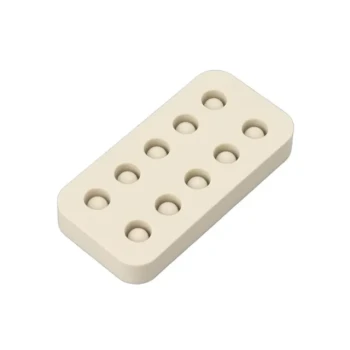
- 10-Cell Silicone Beeswax Bee Queen Cups Forming Mold
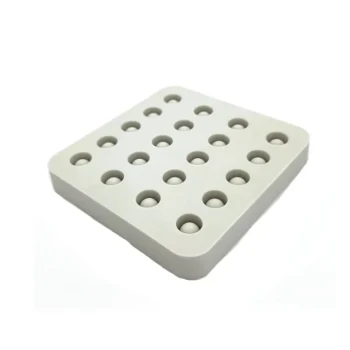
- High-Efficiency 20-Cell Silicone Mold for Beeswax Bee Queen Cup Production
- JZBZ Type Wide Base Plastic Queen Cell Cups for Base Mounting and Queen Rearing
- Clear Black Plain Polystyrene Queen Bee Grafting Cell Cups No Lug for Bee Queen Cup
- Brown Nicot Queen Cell Cups for Breeding Queen Bees Beekeeping
People Also Ask
- How do beeswax queen cell cups function? Optimize Queen Rearing with Biological Mimicry
- What is the biological function of beeswax queen cell cups? Boost Acceptance in Artificial Queen Rearing
- What role do specialized queen rearing tools play in developing mite-resistant honeybee stock? Master Genetic Selection
- What materials are used to make artificial queen cell cups for grafting? Beeswax vs. Plastic Guide
- What roles do specialized queen cell cups play in royal jelly production? Optimize Your Hive's Secretion and Yield