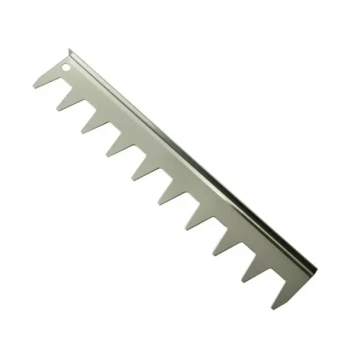
Zinc Lattice serves a dual purpose in specialized beekeeping architecture: it functions as a critical ventilation system while providing superior durability against environmental elements. By utilizing a corrosion-resistant zinc alloy, these structures ensure consistent airflow to prevent moisture buildup while simultaneously offering a sophisticated visual blend of industrial materials and landscape design.
Zinc Lattice is a strategic architectural choice that balances hive health with structural longevity. It provides the essential airflow required to prevent moisture accumulation while utilizing industrial-grade materials to create a visually distinct, long-lasting facility.
The Functional Imperative: Health and Durability
The primary reason for integrating Zinc Lattice into beekeeping structures is to solve specific physical challenges regarding climate control and material lifespan.
Managing Internal Moisture
The health of a bee colony relies heavily on proper environmental regulation. The lattice structure is engineered to maintain consistent airflow throughout the housing.
By facilitating air movement, the lattice prevents moisture buildup. Excess humidity within a bee house can be detrimental to the colony, making this ventilation feature a functional necessity rather than a mere accessory.
Industrial-Grade Durability
Standard materials often degrade quickly when exposed to the elements. Zinc Lattice utilizes a zinc alloy specifically selected for its resilience.
This material offers high resistance to corrosion and general environmental wear. Unlike organic materials that may rot or warp, zinc ensures the ventilation system remains intact and functional over the long term.
The Aesthetic Value: Architectural Integration
Beyond its utility, Zinc Lattice addresses the visual requirements of specialized or decorative bee houses.
Harmonizing Industry and Landscape
The use of zinc represents a deliberate move to integrate industrial-grade materials with natural surroundings.
This approach elevates the structure from a simple shelter to a piece of landscape design. It creates a visually appealing facility that looks intentional and permanent, rather than temporary or strictly utilitarian.
Understanding the Trade-offs
While Zinc Lattice offers significant advantages, it is important to recognize the context of its application.
Specialized vs. Standard Application
This material is primarily utilized in specialized and decorative beekeeping architectures.
It represents a higher tier of construction compared to standard commercial hive bodies. The use of industrial-grade zinc alloy implies a focus on permanence and display, which may be excessive for temporary or strictly migratory beekeeping operations where lightweight, lower-cost materials are typically prioritized.
Making the Right Choice for Your Goal
When determining if Zinc Lattice is appropriate for your beekeeping project, consider your primary objectives:
- If your primary focus is Colony Health and Longevity: Prioritize Zinc Lattice for its ability to maintain critical airflow and resist corrosion, ensuring the structure protects the hive for years without degrading.
- If your primary focus is Architectural Integration: Select this material to bridge the gap between functional equipment and high-end landscape design, creating a visually striking addition to the property.
Zinc Lattice transforms a beekeeping structure from a temporary box into a permanent, breathable, and aesthetically refined architectural element.
Summary Table:
| Feature | Functional/Aesthetic Benefit | Impact on Beekeeping |
|---|---|---|
| Material | Corrosion-resistant Zinc Alloy | Long-term structural integrity and low maintenance |
| Ventilation | Consistent Airflow | Prevents moisture buildup and protects colony health |
| Design | Industrial-Landscape Integration | Elevates apiary structures into high-end landscape features |
| Application | Specialized/Decorative Housing | Ideal for permanent, high-visibility, and boutique apiaries |
Elevate Your Apiary with Professional Grade Equipment
At HONESTBEE, we understand that specialized beekeeping requires a balance of innovative engineering and aesthetic excellence. As a leading provider for commercial apiaries and distributors, we offer a comprehensive wholesale range designed to scale your operations and impress your clients.
Our portfolio includes everything from industrial hive-making and honey-filling machinery to essential consumables and specialized hardware like high-durability lattice components. Whether you are outfitting a professional honey production facility or seeking unique, honey-themed cultural merchandise for your retail brand, we have the expertise to support your growth.
Ready to upgrade your infrastructure with industrial-grade durability?
Contact Honestbee Today for Wholesale Solutions
References
- Penelope Walker, Eva Crane. The History of Beekeeping in English Gardens. DOI: 10.2307/1587272
This article is also based on technical information from HonestBee Knowledge Base .
Related Products
- Langstroth Solid Bottom Board for Beekeeping
- Stainless Steel 9 Frame Hive Spacer Durable Precise for Commercial Beekeeping
- Yellow Plastic Bucket Pail Perch for Beekeeping
- Ergonomic Plastic Frame Spacer Tool for Rapid Hive Management Beekeeping
- Metal Bee Hive Stand Bee Box Stand for Beekeeping
People Also Ask
- What are the functions of solid bottom boards for a beehive? Essential Thermal Protection and Winter Survival Tips
- What is the purpose of a solid bottom board for bee hives? Enhance Hive Health and Winter Survival
- How does climate influence the choice between a solid and screened bottom board? Optimize Your Hive for Local Weather
- What is the primary function of a bottom board in a modern modified beehive system? Essential Foundation Guide
- What are the characteristics of a solid bottom board for a beehive? Boost Colony Health and Thermal Insulation