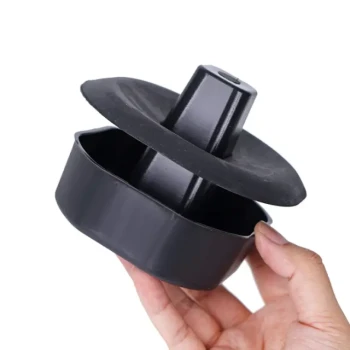
The primary functional benefit of utilizing non-wooden materials, such as high-strength concrete blocks or metal stands, is the complete isolation of the beehive from the soil. By creating a non-organic physical barrier, you effectively sever the pathway that subterranean termites use to travel from the ground into the wooden structure of the hive.
Core Takeaway Replacing wooden stands with industrial materials like concrete or metal serves as a direct engineering control against pests. It provides a distinct break in the material chain, preventing termites from accessing and destroying your apiary equipment.
The Mechanics of Isolation
Creating a Physical Barrier
The most critical threat to wooden beekeeping equipment often comes from below. Subterranean termites require a continuous path from the moist soil to their food source (the wood).
When you place a hive directly on the ground or on wooden stands that touch the soil, you invite infestation. Concrete blocks and metal stands function as an impenetrable shield that termites cannot tunnel through.
An Engineering Solution to Pests
Using these materials is considered one of the most effective engineering methods for apiary preservation. Rather than relying solely on chemical treatments or frequent inspections, you are altering the physical environment to make infestation impossible via the ground.
This structural change protects the integrity of the hive boxes above, ensuring that the wooden components remain structural and secure over time.
Understanding the Material Requirements
High-Strength Specifications
Not all non-wooden materials are suitable for this application. The reference specifically notes the use of high-strength concrete blocks and industrial-grade supports.
Standard cinder blocks or weak plastics may crack under the variable weight of a hive, especially when full of honey. Ensuring the material is rated for the load is essential to prevent catastrophic tipping or collapse.
Stability vs. Tradition
While wooden stands are traditional, they are biologically vulnerable. The shift to metal or concrete is a functional decision prioritizing longevity over aesthetics.
It is a utilitarian approach designed to minimize maintenance labor and equipment replacement costs caused by soil-dwelling pests.
Making the Right Choice for Your Goal
When setting up your apiary, the choice of base material dictates the long-term security of your hives.
- If your primary focus is Pest Prevention: Prioritize high-strength concrete or metal stands to create a zero-tolerance barrier against termite migration.
- If your primary focus is Equipment Longevity: Use non-organic bases to prevent the rotting and degradation that occurs when wood maintains contact with damp soil.
By breaking the connection between the earth and the hive, you secure your investment against one of nature's most persistent destroyers.
Summary Table:
| Feature | Wooden Stands | Non-Organic Stands (Concrete/Metal) |
|---|---|---|
| Termite Resistance | Low (Susceptible to infestation) | High (Impenetrable barrier) |
| Moisture Resilience | Prone to rot and decay | Complete resistance to damp soil |
| Durability | Limited lifespan; requires replacement | Long-term structural integrity |
| Maintenance | Frequent inspections/treatments needed | Minimal maintenance required |
| Load Capacity | Varies by wood type/condition | Superior (High-strength specifications) |
Maximize Your Apiary Efficiency with HONESTBEE
Protecting your investment starts with the right foundation. At HONESTBEE, we specialize in supporting commercial apiaries and distributors with high-performance beekeeping solutions. Whether you need industrial-grade machinery, specialized hardware like hive-making and honey-filling machines, or essential industry consumables, our comprehensive wholesale offering is designed to scale your operations.
Don't let pests or equipment degradation limit your production. Partner with a supplier that understands the engineering requirements of a successful apiary. From honey-themed cultural merchandise to advanced beekeeping tools, we provide the full spectrum of products your business needs to thrive.
Ready to upgrade your commercial setup? Contact HONESTBEE today to discuss our wholesale equipment and customized solutions.
References
- Jamie Ellis, Catherine M. Zettel Nalen. Preserving Woodenware in Beekeeping Operations. DOI: 10.32473/edis-aa244-2012
This article is also based on technical information from HonestBee Knowledge Base .
Related Products
- Solid Bottom Board Australian Pine Wood Langstroth Bottom Board for Wholesale
- Langstroth Solid Bottom Board for Beekeeping
- Beeswax Foundation Sheets Beehive Foundation for Wholesale
- HONESTBEE Wired and Assembled Wooden Bee Frames Foundation for a Thriving Hive
- Professional Galvanized Steel Frame Rest for Beehives
People Also Ask
- In what conditions is a solid bottom board preferred over a screened bottom board? Maximize Hive Heat and Treatment
- What is the primary function of a solid bottom board on a beehive? Key Benefits for Hive Stability and Insulation
- What are the characteristics of a solid bottom board? A Guide to Hive Foundation & Climate Control
- What is a solid bottom board and in what climate is it most beneficial? Essential Guide for Cold Climate Beekeeping
- How should a solid bottom board be cleaned? Essential Scraping Tips for Apiary Hygiene