The general operational process of a filling machine is a synchronized cycle designed to transfer product from a bulk supply into individual containers with high volumetric accuracy. The workflow typically progresses through three distinct stages: feeding the product into the machine, dispensing a predetermined amount into the container, and sealing the package for distribution.
Core Takeaway Regardless of the specific technology used, every filling machine operates on a "Feed-Fill-Seal" logic. The primary goal is to balance the physical properties of the product (viscosity and flow) with the mechanical speed of the machine to ensure consistent fill levels and airtight seals.
Phase 1: Product Feeding and Preparation
The Intake System
The process begins with the Feeding stage. The product (liquid, powder, or granule) is transferred from a bulk source into the machine’s main tank or hopper.
Methods of Transfer
Depending on the machine's design, this transfer is achieved using either pumps or gravity. For viscous products like honey, pumps are often necessary to move the substance efficiently.
Viscosity Management
In cases where the product is thick or sticky, the feeding stage may include an optional heating mechanism. By gently warming the product in the hopper, the machine reduces the fluid's viscosity. This prevents clogging, ensures a smoother flow, and minimizes the formation of air bubbles during the subsequent filling steps.
Phase 2: The Filling Mechanism
Positioning the Container
Before dispensing occurs, a container (jar, bottle, or pouch) must be precisely positioned under the filling nozzle. Sensors typically detect the presence of the container to trigger the fill cycle, preventing waste.
The Dispensing Action
Once the container is in place, the machine executes the Filling step. This is the core function where a specific, predetermined volume of product is released. The method of dispensing varies based on the machine type:
Piston Filling (Precision)
A valve opens to let product flow from the hopper into a cylinder. A piston then physically forces the liquid out through the nozzle. This provides high volumetric accuracy, making it ideal for thick products where precision is paramount.
Gravity Filling (Simplicity)
This method relies on the weight of the liquid to flow into the container. It is a cost-effective solution generally best suited for low-viscosity (thin) liquids that flow freely without mechanical assistance.
Pump-Based Filling (Speed)
Common in high-volume automated systems, this uses gear or lobe pumps to drive the product into the container. These pumps operate via positive displacement, moving fluid through moving parts to ensure fast, consistent output.
Phase 3: Sealing and Output
Capping and Sealing
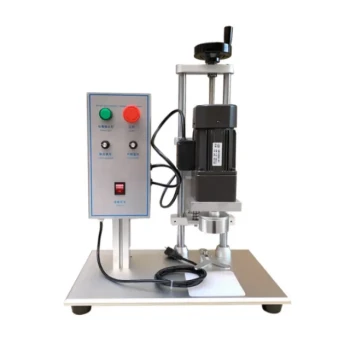
Immediately after the container is filled, it moves to the Capping and Sealing station. Here, caps or lids are applied and secured to the container.
The Importance of Immediate Sealing
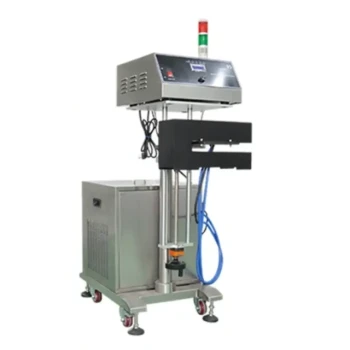
This step is critical for maintaining hygiene and product stability. By sealing the container instantly, the machine prevents contamination and prepares the unit for final labeling and packaging.
Understanding Trade-offs and Calibration
Speed vs. Viscosity
Not all machines handle all products equally well. Piston fillers offer precision for thick liquids but may be slower than continuous pump systems. Conversely, gravity fillers are fast and simple but struggle with heavy, viscous products like honey.
Calibration Requirements
Operational success depends on regular adjustments. Operators must calibrate the machine to account for different container sizes and changes in product viscosity (which can fluctuate with temperature). Failure to calibrate leads to inconsistent fill levels or product waste.
Making the Right Choice for Your Goal
To select or operate a filling machine effectively, you must align the mechanism with your specific product requirements:
- If your primary focus is High Viscosity (e.g., Honey/Pastes): Prioritize piston or positive displacement pump mechanisms, ideally with heating elements to improve flow.
- If your primary focus is Cost Efficiency: Utilize gravity filling systems, provided your product is thin enough to flow freely without mechanical force.
- If your primary focus is High-Speed Automation: Implement pump-based systems, which offer the fastest throughput for large-scale production runs.
The most effective filling process is one that minimizes product resistance while maximizing volumetric consistency.
Summary Table:
| Stage | Action | Key Technologies/Methods | Best Use Case |
|---|---|---|---|
| Feeding | Product Intake | Gravity or Pump-fed (with optional heating) | Preparing viscous fluids like honey |
| Filling | Precise Dispensing | Piston, Gravity, or Positive Displacement | Ensuring volumetric accuracy |
| Sealing | Product Protection | Automated Capping & Hermetic Sealing | Maintaining hygiene and shelf stability |
Streamline Your Apiary Production with HONESTBEE
Are you looking to scale your honey production or upgrade your distribution facility? HONESTBEE specializes in providing commercial apiaries and distributors with high-performance honey-filling machines, hive-making equipment, and essential beekeeping consumables.
Our specialized hardware is designed to handle the unique viscosity of honey, ensuring precision and speed in every jar. From specialized machinery to honey-themed cultural merchandise, we offer a comprehensive wholesale portfolio to grow your business.
Ready to enhance your operational efficiency? Contact our experts today to find the perfect filling solution!
Related Products
- Precision Durable Efficient HONESTBEE Rotary Honey Filling Machine
- Pneumatic Paste Filling Machine Bottling Packaging Machine Single Nozzle
- Pneumatic Double Nozzle Honey Filling Bottling Packaging Machine
- Economy Small Honey Filling Machine Honey Bottle Filler Packaging Machine
- Precision Automated Packaging Turntable Honey Spoon Filling Sealing Packing Machine
People Also Ask
- How do high-precision honey filling machines ensure quality? Optimize Your Commercial Production with HONESTBEE
- What are the common types of bottling machines used for honey? Choosing the Right Solution for Your Apiary
- How do honey filling and processing machines aid native bee product conservation? Boost Value with HONESTBEE Technology
- How do honey filling machines work? Achieve Precision & Speed for Your Apiary
- What is a key feature of the new generation of the honey filling machine? The Advanced Electronic Control Unit