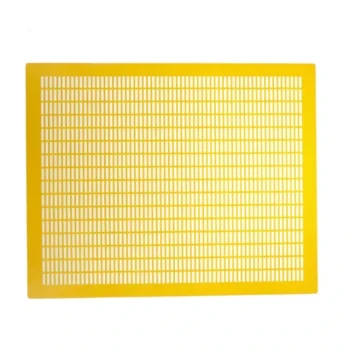
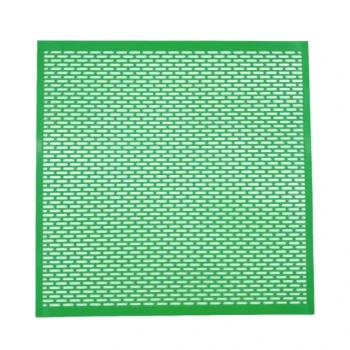
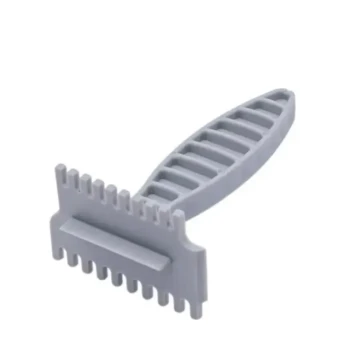
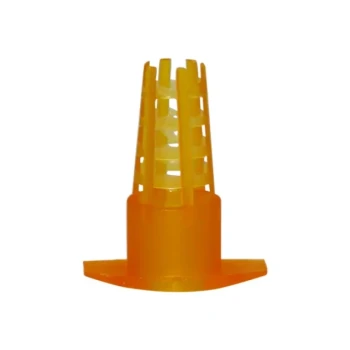
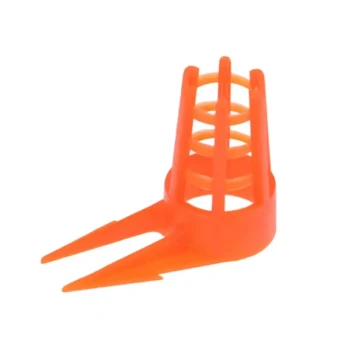
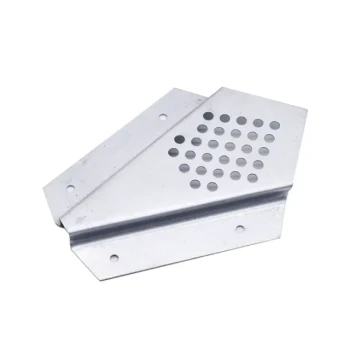
The primary function of a frame-type queen excluder or isolation cage in this context is biological containment. By physically restricting the queen bee to a single specific comb, you gain precise control over the size and timing of the brood rearing cycle. This manipulation is the foundation of personalized Varroa mite treatment, enabling you to dictate exactly where and when brood is produced.
Core Takeaway: These tools transform the colony's natural cycle into a strategic asset. By confining the queen, you force Varroa mites to concentrate within specific capped brood cells or expose them on adult bees, allowing for highly accurate infestation measurements and maximized treatment efficacy.
The Mechanics of Brood Manipulation
Restricting the Reproductive Space
The device uses physical barriers to confine the queen to a limited area, typically a single comb. This prevents her from laying eggs throughout the hive, effectively putting a "pause" or "focus" button on the colony's reproduction.
Creating Strategic Windows
This restriction allows researchers and beekeepers to induce specific biological states: "brood breaks" or "concentrated brooding." Instead of a continuous, scattered supply of larvae, you create discrete generations of brood.
Concentrating the Parasite
Varroa mites require capped brood cells to reproduce. By limiting the available brood, you force the mite population to congregate in the few specific cells available, rather than spreading out across the hive.
Strategic Advantages for Mite Control
Precise Infestation Calculation
When mites are forced into a smaller area of "concentrated brood," it becomes significantly easier to measure the average infestation rate per cell. This provides hard data on the severity of the infestation, which is often diluted and harder to detect in a free-laying colony.
Exposing the "Hidden" Population
During a forced "brood break"—where the queen is restricted long enough that no capped brood exists—mites have nowhere to hide. They are forced into the phoretic phase, riding on adult bees, where they are fully exposed to chemical or physical treatments.
Data-Driven Dosage
The data derived from these isolation periods allows for personalized treatment protocols. Rather than guessing, you can adjust the frequency and intensity of miticide applications based on the precise density of mites found in the isolated brood frames.
Understanding the Trade-offs
Impact on Colony Growth
Restricting the queen inevitably halts the production of new worker bees. While effective for pest control, prolonged isolation can weaken the colony's population density if not managed with a strict schedule.
Management Intensity
Using isolation cages is not a passive strategy. It requires strict adherence to timing; releasing the queen too early or too late can disrupt the synchronization required for effective mite trapping or treatment.
Making the Right Choice for Your Goal
To apply these tools effectively, align the usage with your specific pest management objective:
- If your primary focus is data collection: Use the cage to create "concentrated brooding" on a single comb to calculate the precise infestation rate per cell.
- If your primary focus is treatment efficacy: Use the cage to create a complete "brood break," forcing all mites onto adult bees where they are most vulnerable to miticides.
By controlling the queen, you stop reacting to the mites and start dictating their behavior.
Summary Table:
| Feature | Strategic Function | Impact on Varroa Mite Management |
|---|---|---|
| Queen Restriction | Limits laying to a single comb | Concentrates mites into a small, measurable area. |
| Brood Breaks | Induces periods with no capped brood | Forces mites into the phoretic phase on adult bees. |
| Data Collection | Creates "concentrated brooding" | Enables highly accurate infestation rate calculations. |
| Treatment Focus | Eliminates parasite hiding spots | Maximizes the efficacy of miticide applications. |
Elevate Your Apiary Management with HONESTBEE
At HONESTBEE, we specialize in empowering commercial apiaries and distributors with the precision tools needed for modern beekeeping. Whether you are implementing advanced Varroa treatment protocols or scaling your honey production, we provide the full spectrum of high-quality hardware—from frame-type isolation cages and specialized hive-making machinery to industrial honey-filling systems.
Our comprehensive wholesale offering is designed to reduce labor costs and increase the biological efficiency of your colonies. Contact us today to discuss how our professional-grade beekeeping equipment and consumables can streamline your operations and safeguard your bees.
References
- Rajmund Sokół, Maria Michalczyk. A Preliminary Study on “Personalised Treatment” against Varroa destructor Infestations in Honey Bee (Apis mellifera) Colonies. DOI: 10.3390/ani13060987
This article is also based on technical information from HonestBee Knowledge Base .
Related Products
- Premium Wood Framed Metal Wire Queen Bee Excluder
- Professional Dual Action Queen Excluder Scraper for Beekeeping
- Professional Plastic Queen Excluder for Modern Beekeeping
- Metal Queen Bee Excluder for Beekeeping
- Wooden Queen Bee Excluder for Beekeeping
People Also Ask
- What types of queen excluders are available for beekeepers? Choose the Right Tool for Your Hive
- Why are standardized hive frames and queen excluders essential for maintaining honey purity and quality? Scale Your Purity
- How does a queen-bee excluder function as a defense against Small Hive Beetles? Protect Your Honey with Resource Denial
- What is the purpose of an entrance queen excluder? Prevent Absconding and Stabilize Your New Honeybee Colony
- What is the function of a queen excluder? Maximize Honey Yield and Ensure Data Integrity for Your Apiary