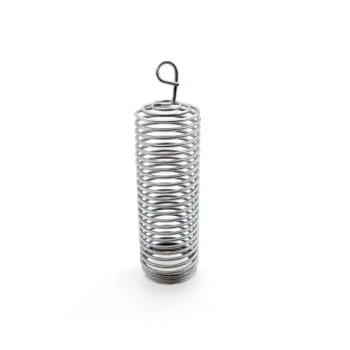
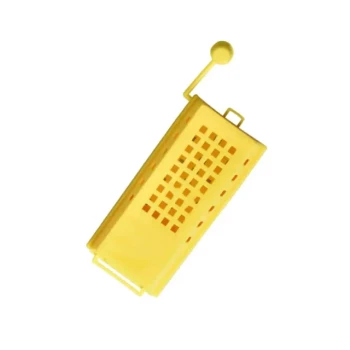
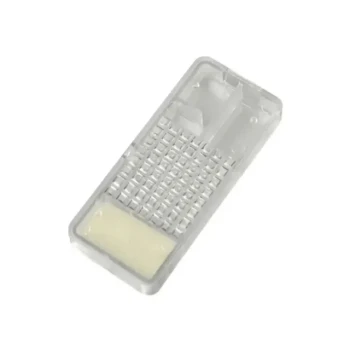
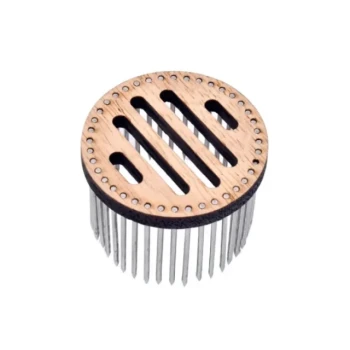
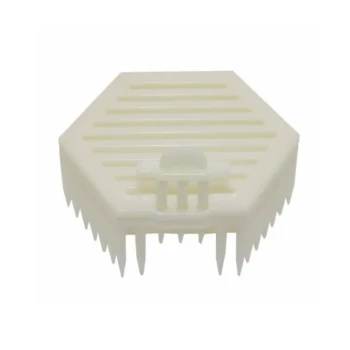
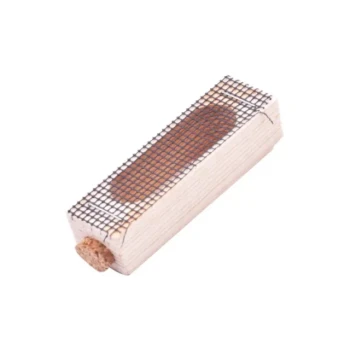
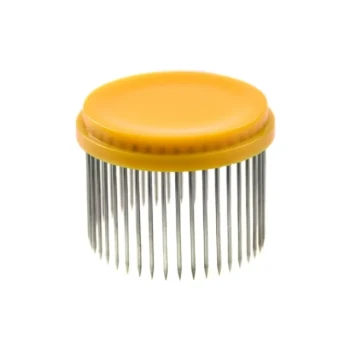
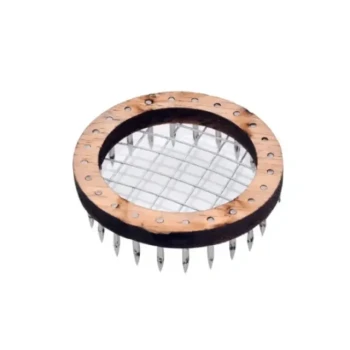
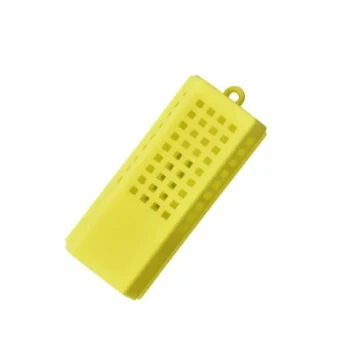
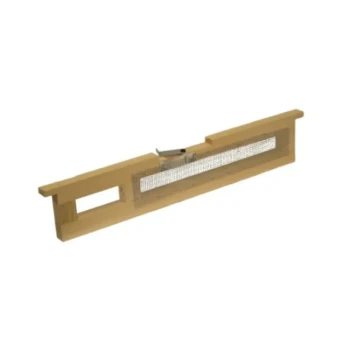
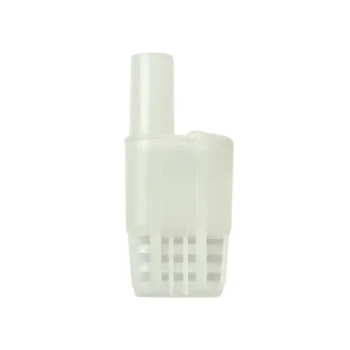
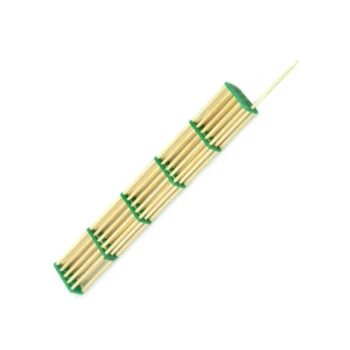
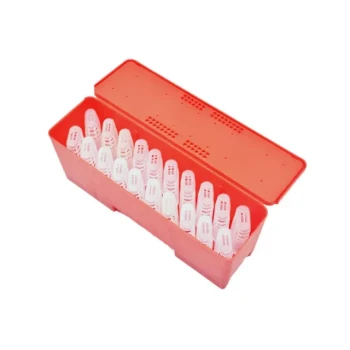
Specialized Queen Introduction Cages are recommended because they serve as a critical buffer against lethal colony aggression. By providing physical isolation while simultaneously allowing for chemical acclimatization, these cages manage the colony's natural defensive instincts, transforming a potential intruder into an accepted leader.
The Core Mechanism
A hive relies on a unified scent to identify friend from foe. The Queen Introduction Cage decouples physical contact from chemical presence, protecting the new queen from immediate attack while her pheromones gradually permeate the hive, overwriting the colony's "identity" to ensure safe succession.
The Challenge: Colony Exclusion Instincts
The Biological Barrier
Honey bee colonies possess strong exclusion instincts. Their defense mechanisms are triggered by foreign chemical signatures.
The Immediate Threat
Without intervention, a new queen introduced directly into a hive is viewed as an invader. Worker bees will instinctively ball (surround and overheat) or sting her to death to protect the colony's existing integrity.
The Pheromone Gap
The existing colony is tuned to the pheromones of the previous queen. To accept a replacement, the workers must be weaned off the old scent and habituated to the new queen's unique chemical signal.
How the Cage Facilitates Acceptance
Physical Isolation (The Shield)
The primary function of the cage is physical protection. It creates a barrier that prevents worker bees from making direct, aggressive contact with the new queen.
Controlled Interaction
While the cage stops attacks, its mesh or openings allow for safe interaction. Workers can investigate the new queen and feed her through the screen without the ability to harm her.
Chemical Integration (The Bridge)
The cage allows the new queen to release her pheromones into the hive environment in a regulated manner. This gradual release prevents sensory overload and allows the colony to slowly adapt to her scent.
Assessing Readiness
The cage acts as a testing ground. Beekeepers can observe worker behavior on the cage surface—aggressive biting suggests rejection, while calm feeding indicates acceptance—before releasing her fully.
Understanding the Trade-offs
Delayed Egg Laying
Using a cage inherently delays the start of egg production. You are trading immediate brood development for the significantly higher survival rate of the queen.
Release Timing Risks
The process requires patience. Releasing the queen too early, before the pheromone integration is complete, negates the benefits of the cage and can still result in queen loss.
Dependence on Equipment
Success relies on the cage functioning correctly. If the candy plug (often used for automatic release) is too soft, the release happens too fast; if too hard, the queen may remain trapped too long.
Making the Right Choice for Your Goal
Whether you are saving a queenless hive or expanding your apiary, the introduction cage is your insurance policy.
- If your primary focus is Colony Safety: Prioritize a cage with a robust mesh that prevents all stinging attempts while the colony remains aggressive.
- If your primary focus is Minimizing Disturbance: Use a cage with a "candy plug" mechanism, which allows the bees to chew through and release the queen automatically over a few days without you reopening the hive.
By respecting the colony’s chemical biology through the use of an introduction cage, you turn a risky biological transition into a routine management success.
Summary Table:
| Feature | Function | Benefit |
|---|---|---|
| Physical Isolation | Shield against worker aggression | Prevents lethal "balling" or stinging |
| Pheromone Mesh | Controlled chemical release | Gradual colony acclimatization to new scent |
| Candy Plug | Delayed automatic release | Minimizes hive disturbance during introduction |
| Visual Feedback | Monitoring worker behavior | Allows beekeepers to assess acceptance levels |
Maximize Your Apiary's Success with HONESTBEE
Transitioning queens is a high-stakes process where the right tools make all the difference. At HONESTBEE, we specialize in supporting commercial apiaries and distributors with a comprehensive range of professional beekeeping equipment. From precision-engineered Queen Introduction Cages to advanced honey-filling machines and specialized hive-making hardware, we provide the full spectrum of tools and consumables your business needs to thrive.
Don't leave your hive's leadership to chance. Partner with a supplier that understands the science of beekeeping and the demands of large-scale operations. Contact HONESTBEE today to explore our wholesale offerings and discover how our high-quality machinery and merchandise can enhance your productivity and bottom line.
References
- Khalil Hamdan. Natural Supersedure of Queens in Honey Bee Colonies. DOI: 10.1080/0005772x.2010.11417360
This article is also based on technical information from HonestBee Knowledge Base .
Related Products
- Durable Galvanized Steel Spring Queen Bee Cage
- Professional Queen Cage with Sliding Gate and Feeder Plug
- Professional Queen Bee Introduction and Transport Cage
- Professional Multi-Functional Queen Bee Cage
- Premium Wood and Steel Push In Queen Cage
People Also Ask
- Why are specialized queen bee cages used for the banking of mated queen bees? Maximize Commercial Apiary Storage Efficiency
- What is the mechanism of action for using temporary queen bee cages? Master Successful Queen Introduction
- What is the step-by-step process for installing a queen bee's cage onto a frame? Ensure Hive Acceptance Safely
- What is the optimal placement for a queen bee cage? Essential Strategies for Successful Re-queening
- What are the advantages and disadvantages of introducing a queen bee by embedding the cage? Boost Your Queen Acceptance