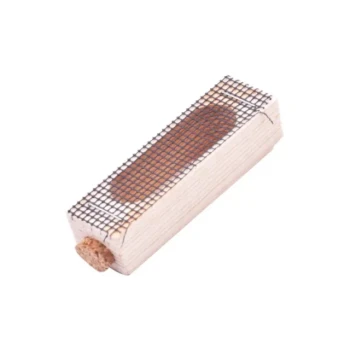
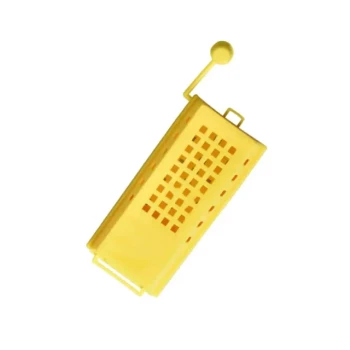
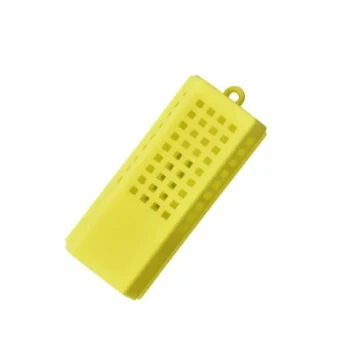
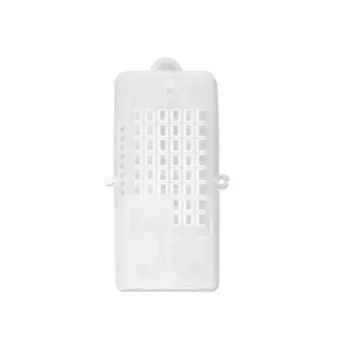
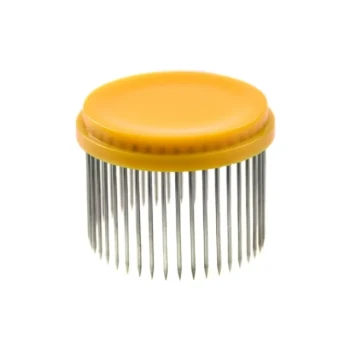
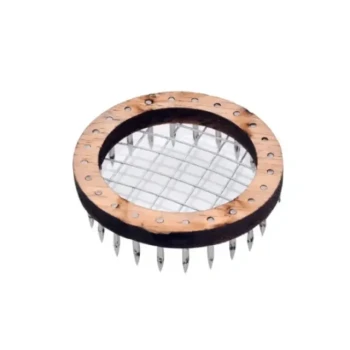
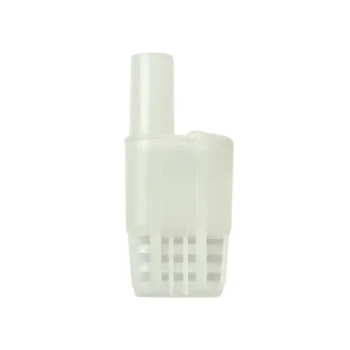
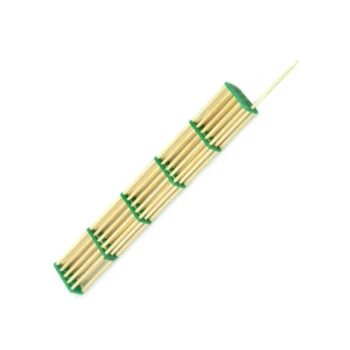
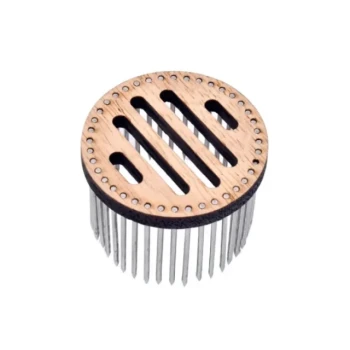
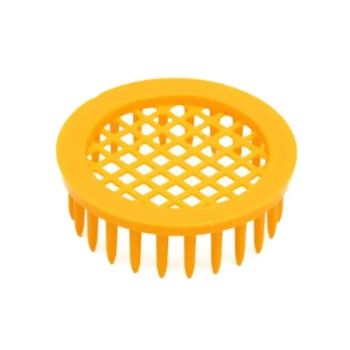
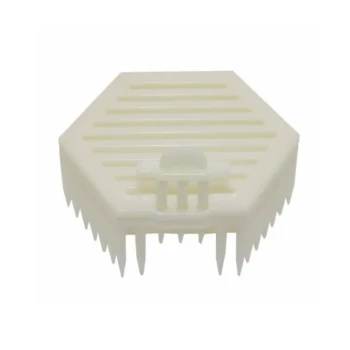
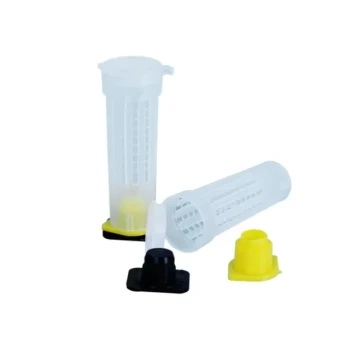
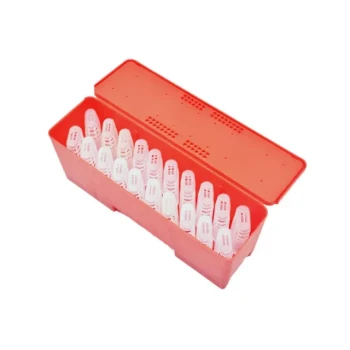
Queen cages maximize treatment effectiveness by temporarily halting egg production to create an artificial broodless period within the colony. Since chemical treatments like oxalic acid cannot penetrate sealed brood cells, caging the queen ensures all Varroa mites are forced onto adult bees, leaving them fully exposed and vulnerable to the application.
By eliminating sealed brood, you remove the physical barrier that protects the majority of the mite population. This allows a single treatment to reach nearly 100% of the parasites, rather than just the fraction currently riding on adult bees.
The Biological Barrier to Treatment
The Problem with Sealed Brood
In a standard colony, a significant portion of the Varroa mite population lives inside sealed brood cells. These mites are reproducing safely behind a wax capping, protected from the outside environment.
Limitations of Contact Treatments
Common treatments, specifically oxalic acid, function by contact. The primary reference notes that oxalic acid cannot penetrate the wax cappings of sealed brood. Consequently, if you treat a colony with capped brood, the chemical only kills the "phoretic" mites (those on adult bees), leaving the reproducing mites untouched.
How Queen Caging Solves the Issue
Creating an Artificial Brood Break
Queen cages are utilized to restrict the queen's egg-laying activity for a specific duration. By stopping new eggs from being laid, the beekeeper allows time for the existing brood to emerge.
Forcing Total Exposure
Once the existing brood has hatched and no new brood has been capped, the colony enters a "broodless" state. At this precise moment, every mite in the hive is forced to exist on the bodies of adult bees.
Enhancing Kill Efficiency
With the entire mite population exposed on the adult bees, the treatment becomes significantly more efficient. The medication can now contact and kill the entire population of parasites, rather than allowing a new generation to emerge from safety days later.
Understanding the Trade-offs
Disruption of Colony Growth
The primary mechanism of this method is the restriction of egg-laying. While this is effective for killing mites, it inevitably creates a gap in the population of new worker bees. Beekeepers must weigh the benefit of a high mite kill rate against the temporary pause in colony buildup.
Timing Precision
Success relies entirely on the timing of the "broodless period." If the treatment is applied too early (before all brood hatches) or too late (after the queen resumes laying and new cells are capped), the efficiency drops significantly.
Making the Right Choice for Your Goal
To utilize queen caging effectively, you must align your strategy with your colony's specific needs.
- If your primary focus is maximum mite eradication: Prioritize a strict caging schedule to ensure the colony is 100% broodless before applying oxalic acid.
- If your primary focus is treatment efficiency: Use this method to reduce the need for repeated, long-term treatments by achieving a high kill rate in a single application.
Leveraging the biology of the bee to expose the biology of the mite turns a standard treatment into a comprehensive solution.
Summary Table:
| Aspect | Without Queen Caging | With Queen Caging |
|---|---|---|
| Mite Location | Protected in sealed brood & on bees | 100% phoretic (on adult bees) |
| Treatment Reach | Partial (cannot penetrate wax) | Complete exposure of all mites |
| Application Frequency | Often requires repeated doses | High kill rate in a single dose |
| Colony Impact | Continuous population growth | Temporary pause in brood rearing |
| Overall Efficacy | Moderate to Low | Maximum Treatment Efficiency |
Maximize Your Colony Health with HONESTBEE Professional Solutions
At HONESTBEE, we understand that precision is key to successful beekeeping. As a dedicated partner to commercial apiaries and distributors, we provide more than just supplies; we offer the tools for professional-grade mite management. Our comprehensive wholesale catalog includes:
- High-Quality Queen Cages: Essential for creating the broodless periods necessary for effective Varroa treatments.
- Advanced Machinery: From hive-making to honey-filling machines to scale your operations.
- Industry Consumables: A full spectrum of specialized hardware and essential supplies for large-scale bee management.
Whether you are stocking up for a distribution network or upgrading your commercial apiary, our team is ready to provide the wholesale equipment you need to succeed.
Contact HONESTBEE Today for a Wholesale Quote and see how our premium beekeeping tools can transform your productivity.
References
- June Gorrochategui-Ortega, Iratxe Zarraonaindia. Colonies under dysbiosis benefit from oxalic acid application: the role of landscape and beekeeping practices in microbiota response to treatment. DOI: 10.1007/s10340-024-01829-3
This article is also based on technical information from HonestBee Knowledge Base .
Related Products
- Classic Wooden and Mesh California Queen Cage
- Durable Galvanized Steel Spring Queen Bee Cage
- Professional Queen Cage with Sliding Gate and Feeder Plug
- Professional Queen Bee Introduction and Transport Cage
- Professional Multi-Compartment Queen Cage with Sliding Lid
People Also Ask
- How are queen cages used to protect newly hatched queens? Secure Your Virgin Queens During Development
- Why are queen cages or grid cages used in bee studies? Achieve Precise Biological Data for Research
- Why are professional queen cages necessary for queen replacement? Secure Your Apiary’s Future
- What should be done if bees damage the queen cage? Secure Your Queen with These Emergency Intervention Steps
- What is the correct procedure for installing a queen cage into a new hive? A Pro Guide for Colony Success