The cornerstone of commercial apiculture, high-efficiency pollen traps serve as the essential mechanical interface that converts honeybee foraging activity into a scalable, processable raw material. By utilizing precision-engineered apertures at the hive entrance, these devices intercept pollen pellets from worker bees’ hind legs without causing physical harm, ensuring a continuous supply of high-purity biological resources for the global market.
Core Takeaway: High-efficiency pollen traps are the primary hardware required to transition from traditional honey production to high-yield, diversified pollen harvesting, enabling distributors to secure consistent, high-purity raw materials at scale.
Transforming Biological Activity into Commercial Assets
Precision Interception Technology
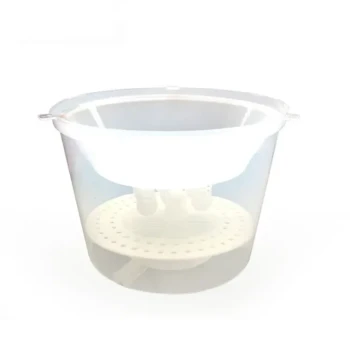
High-efficiency traps utilize specific aperture designs and sieve plates with calibrated pore sizes. As worker bees enter the hive, these grids physically scrape the pollen pellets from their legs, allowing the material to fall into protected collection trays.
Maintaining Colony Health and Productivity
Modern designs prioritize non-disruptive collection, ensuring that the mechanical interception does not harm the insects or interfere with the colony's internal dynamics. This allows for stable, long-term harvesting across different flowering periods and geographical regions.
Foundation for Industrial Processing
These devices act as the first stage of the supply chain, turning raw biological loads into granular raw materials. This standardized output is critical for subsequent botanical classification, chemical composition analysis, and large-scale manufacturing.
Maximizing Supply Chain Yield and Purity
Optimizing Annual Yield for Wholesale
High-performance traps are engineered to significantly boost output, with optimized designs capable of reaching yields as high as 36kg per colony annually. This level of productivity is essential for wholesalers who require high-volume consistency to meet market demand.
Ensuring Initial Material Purity
By shielding the collected pellets from internal hive debris and external environmental contaminants, these traps ensure initial purity. This reduces the cost and complexity of secondary cleaning and processing, making the product more attractive to B2B buyers.
Monitoring and Resource Assessment
Beyond simple collection, these traps allow for the systematic monitoring of foraging activities. This data enables distributors to assess floral resource abundance and plan procurement strategies based on specific plant species and landscape cycles.
Strategic Advantages in Global Sourcing
Comprehensive Product Portfolio Integration
For B2B resellers, sourcing high-efficiency traps is part of a full-spectrum product strategy. Offering advanced hardware alongside raw pollen products demonstrates deep industry expertise and provides a one-stop solution for commercial beekeeping operations.
Efficient Order Fulfillment and Distribution
In a competitive market, ultra-fast delivery of essential hardware like pollen traps is a critical differentiator. Efficient logistics and rapid response times ensure that apiaries can scale their collection capabilities immediately when peak flowering seasons begin.
Professional Expertise in Technical Trading
Distributors benefit from partners who provide technical guidance on trap placement and aperture selection. This professional support ensures that end-users maximize their return on investment, fostering long-term loyalty and repeat business.
Understanding the Trade-offs and Limitations
Balancing Harvest Volume with Colony Nutrition
While high-efficiency traps maximize yield, over-harvesting can lead to nutritional stress within the hive. Professional operations must implement rotational trapping or supplemental feeding to ensure the long-term viability of the bee population.
Maintenance and Hygiene Requirements
Traps require regular cleaning and daily collection to prevent moisture buildup and mold growth. Failure to maintain a rigorous schedule can compromise the quality of the raw pollen and lead to significant financial losses for the distributor.
Complexity of Mechanical Calibration
Not all traps are universal; different bee species and pollen types may require specific grid dimensions. Using an incorrectly calibrated trap can lead to either low collection efficiency or physical injury to the foraging bees.
Making the Right Choice for Your Business Goal
How to Apply This to Your Project
- If your primary focus is maximizing raw material volume: Prioritize high-performance traps with documented annual yields of 30kg+ per colony to ensure a robust supply for wholesale distribution.
- If your primary focus is premium market positioning: Invest in traps with superior protective housing that minimizes external contamination, ensuring the highest possible initial purity for pharmaceutical or cosmetic grade products.
- If your primary focus is supply chain reliability: Partner with one-stop sourcing providers who offer rapid fulfillment and technical expertise to ensure your hardware is deployed before peak foraging seasons.
The integration of high-efficiency pollen traps is the definitive factor in transforming a local apiary into a high-capacity contributor to the global bee products supply chain.
Summary Table:
| Key Feature | Commercial Benefit | Supply Chain Impact |
|---|---|---|
| Precision Apertures | Intercepts pollen without harming bees | Ensures continuous, high-purity raw material supply |
| High-Yield Design | Supports up to 36kg/colony annually | Enables consistent high-volume wholesale fulfillment |
| Protective Trays | Shields pellets from debris & moisture | Reduces secondary processing costs and complexity |
| Scalable Hardware | Standardizes biological output | Facilitates industrial-scale manufacturing and analysis |
Scale Your Commercial Operations with HONESTBEE
As a dedicated partner to distributors, wholesalers, and B2B resellers, HONESTBEE provides a one-stop sourcing solution for the entire apiculture value chain. We understand that in large-scale beekeeping, equipment reliability and supply chain efficiency are paramount to your profit margins.
Our Value to Your Business:
- Comprehensive Full-Spectrum Portfolio: From high-efficiency pollen traps and hive-making machinery to honey-filling lines and industry consumables, we supply everything your clients need.
- Ultra-Fast Delivery: Our efficient order fulfillment ensures you receive critical hardware exactly when peak flowering seasons begin.
- Deep Industry Expertise: We offer more than just products; we provide the professional technical guidance necessary to maximize return on investment.
- Premium Trading Services: Benefit from our rapid response times and dedicated customer support tailored to high-volume commercial needs.
Ready to optimize your supply chain? Contact our expert team today to explore our wholesale offerings and secure the high-performance tools your business deserves.
References
- Teferi Damto, Dheressa Kebaba. Chemical and Mineral Composition of the Mono-floral Pollen of Honeybees (Apis mellifera) in Ethiopia. DOI: 10.51458/bstd.2024.42
This article is also based on technical information from HonestBee Knowledge Base .
Related Products
- Removable Plastic Pollen Trap With Ventilated Tray for Bees Pollen Collector
- 30 cm Plastic Entrance Hole Bee Pollen Trap and Collector
- Plastic Bee Pollen Trap Strips Comb Catcher Collector
- High-Efficiency Diamond Maze Bee Escape for Clearing Supers
- Professional Bucket Style Wasp and Moth Pheromone Trap
People Also Ask
- What are the design principles and advantages of pollen traps in the collection of bee pollen? Boost Your Apiary Yield
- What is the function of professional pollen traps in evaluating honey plants? Quantifying Pollination and Crop Potential
- What functions do pollen traps serve for bee bread production? Optimize Your Raw Material Collection
- What maintenance and pest prevention measures should be taken for pollen traps? Protect Your Hive and Harvest Quality
- How does the use of pollen traps in honeybee hives enhance crop fertilization? Boost Your Yield Through Induced Activity